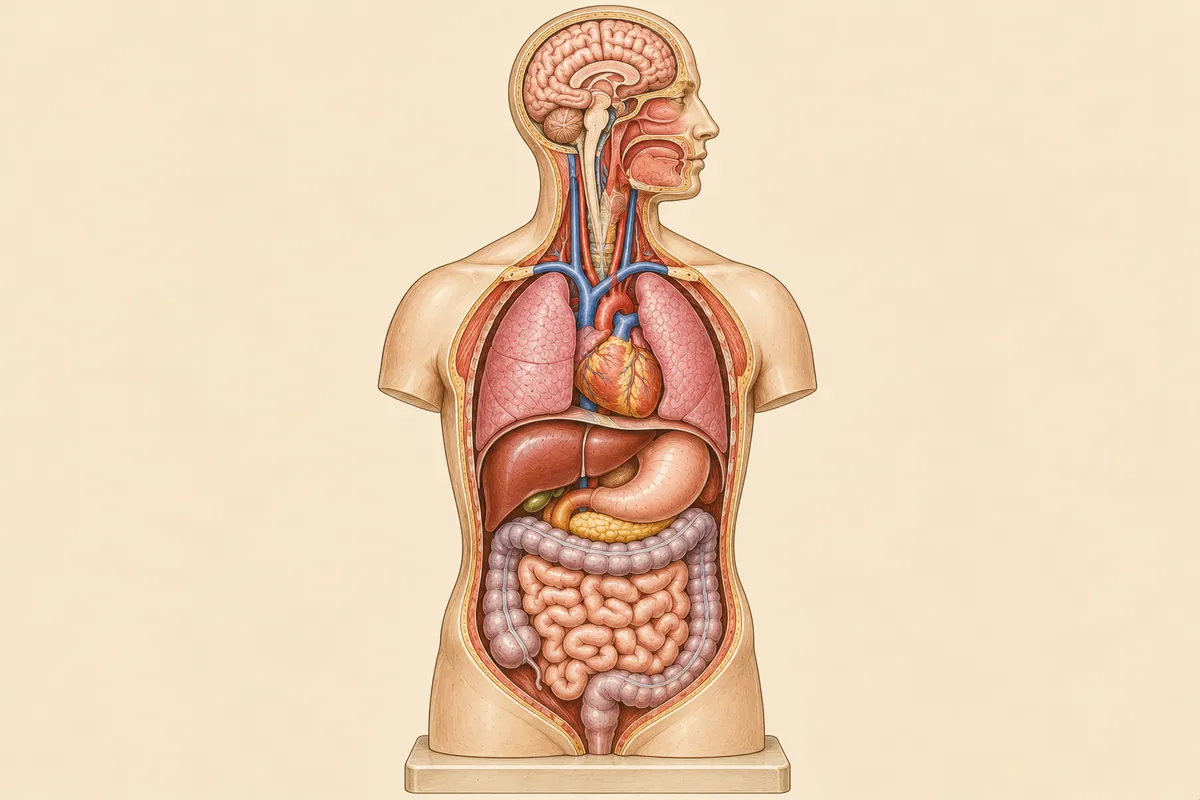
 The whole body
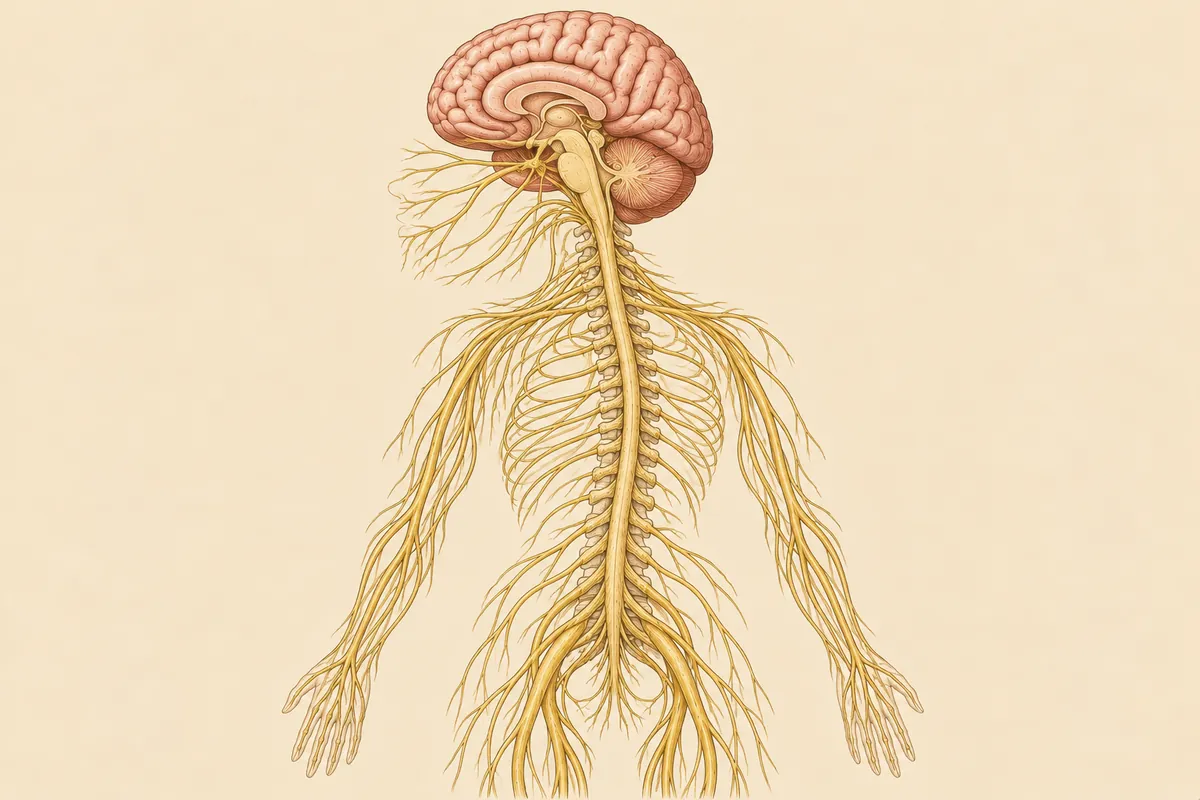 Nervous system
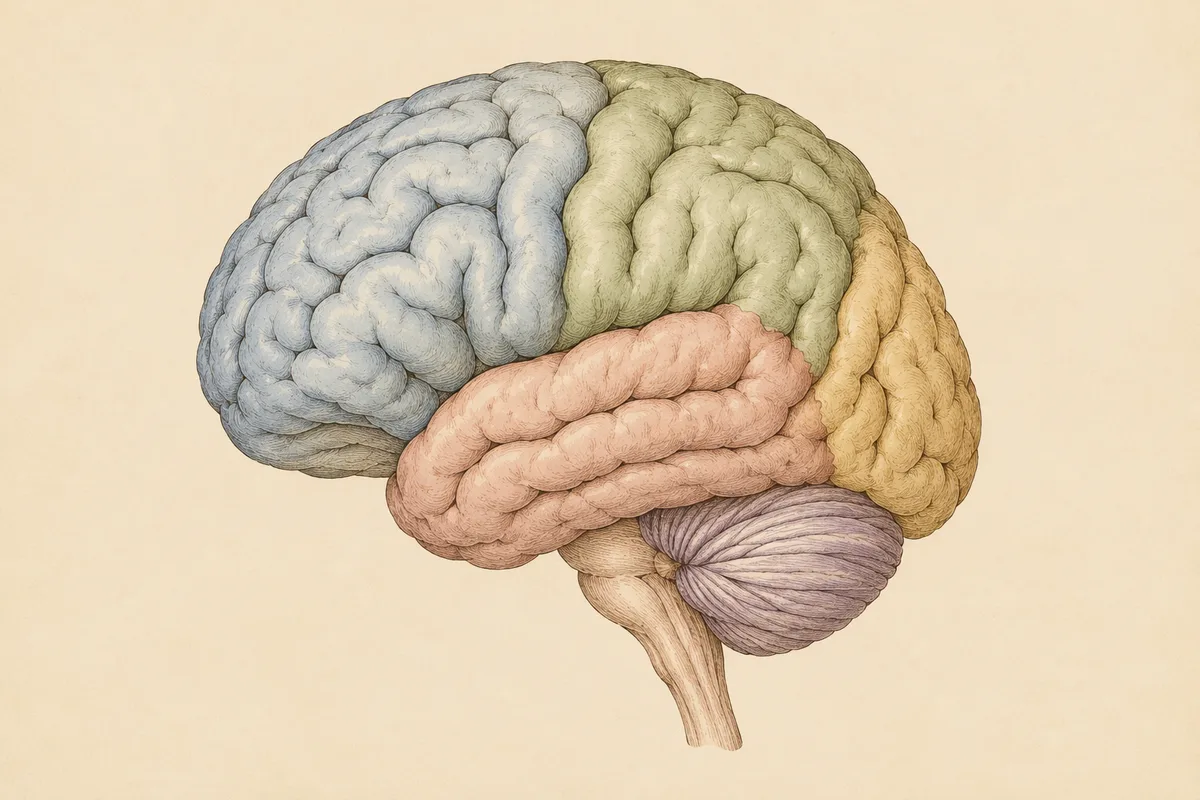 Brain
Brain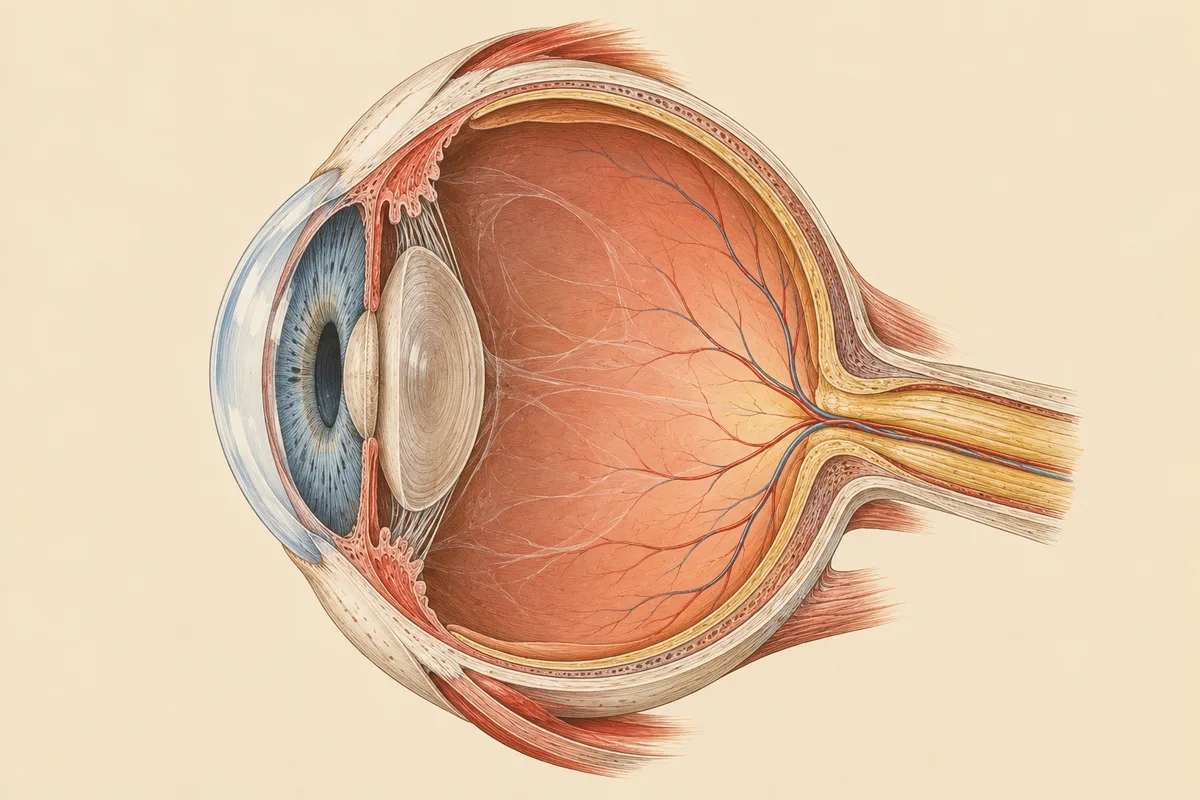 Eye
Eye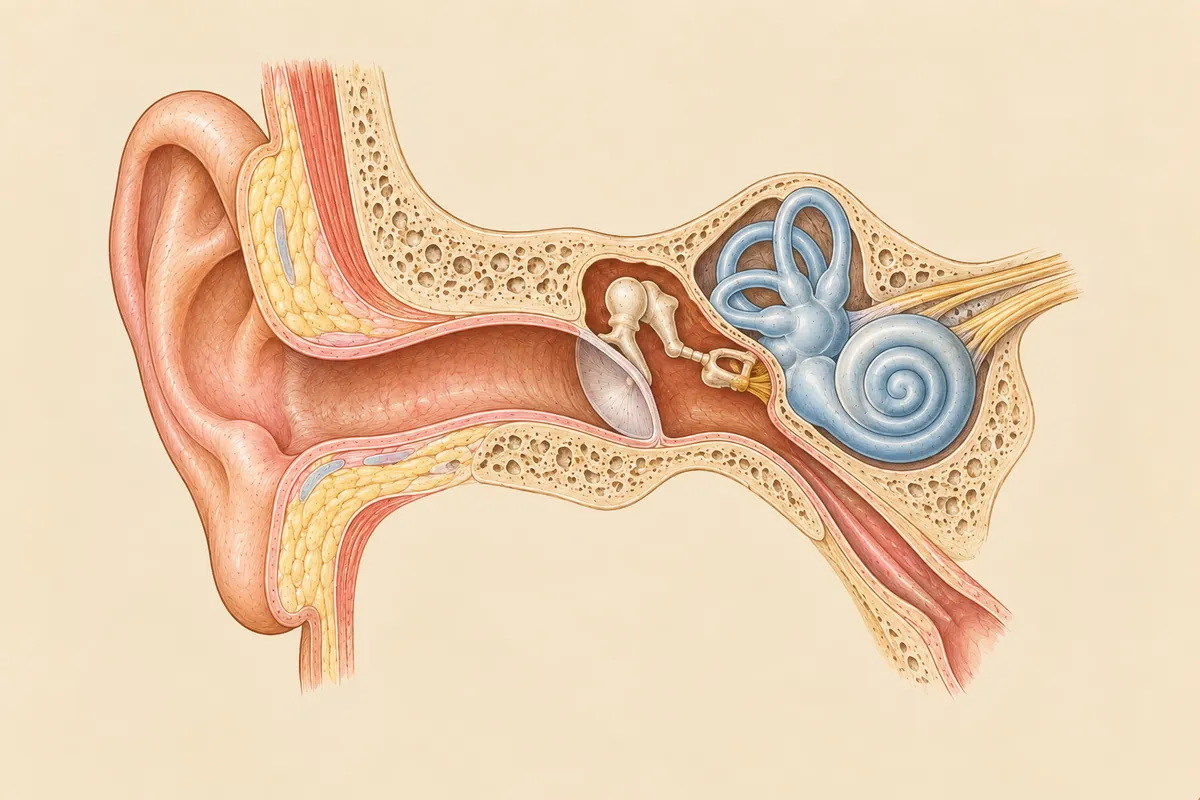 Ear
Ear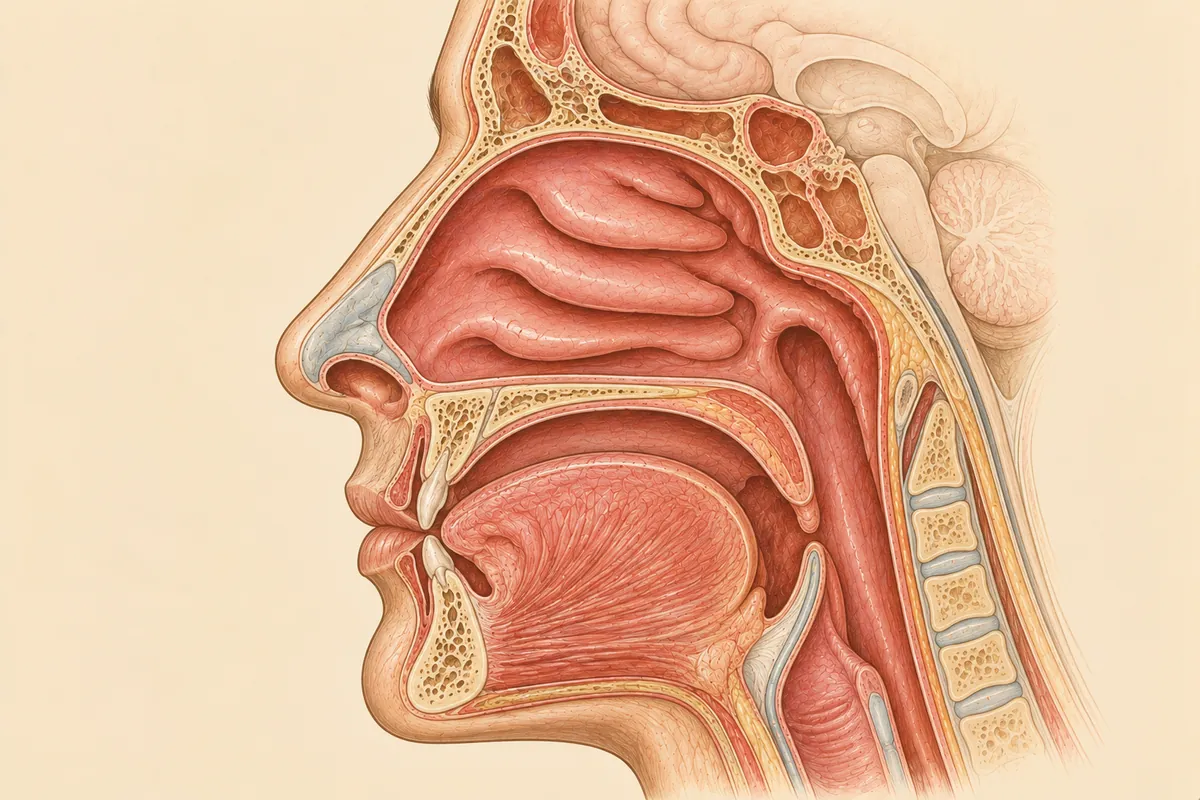 Nose
Nose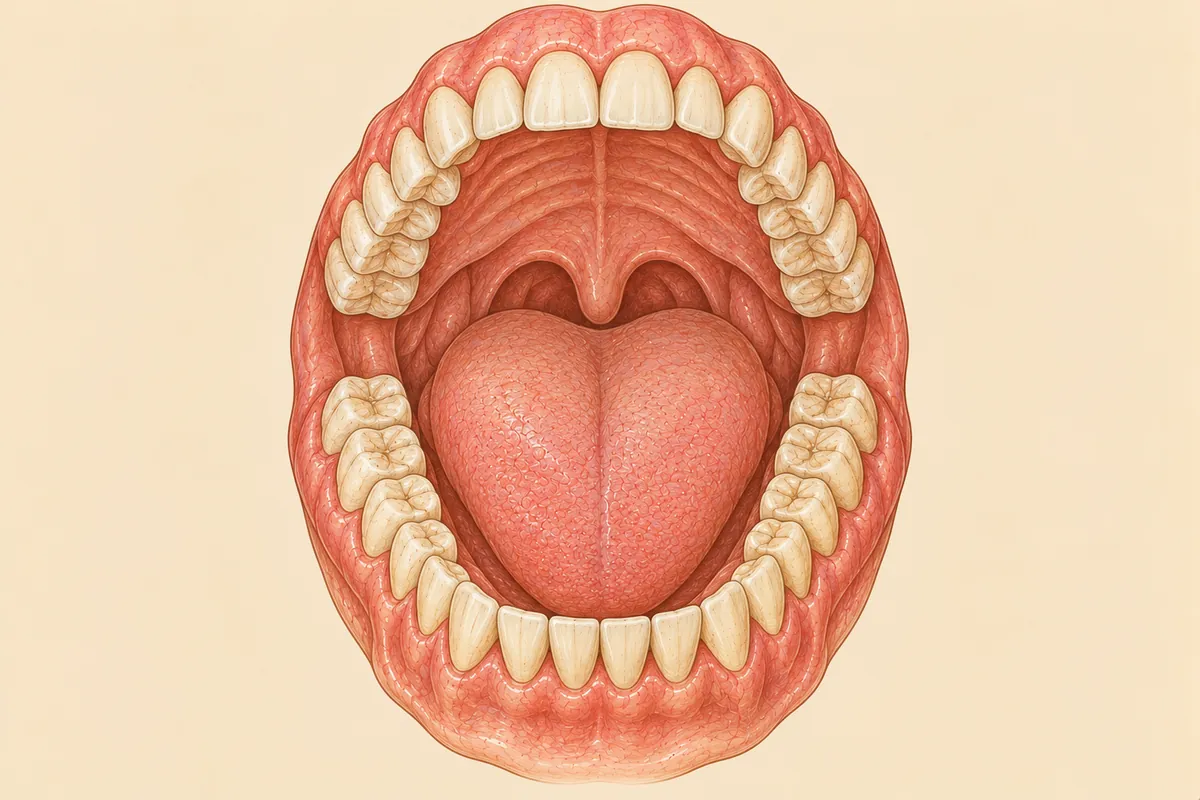 Mouth and teeth
 Skin and touch
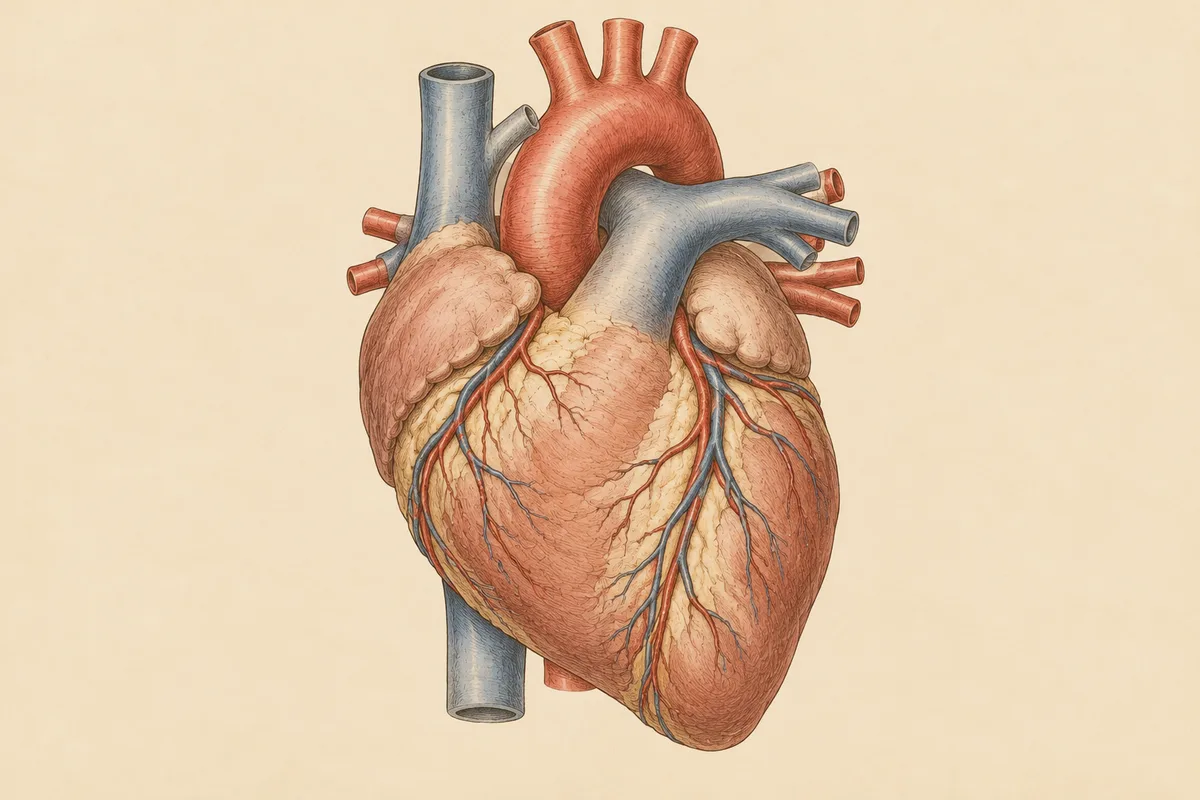 Heart
Heart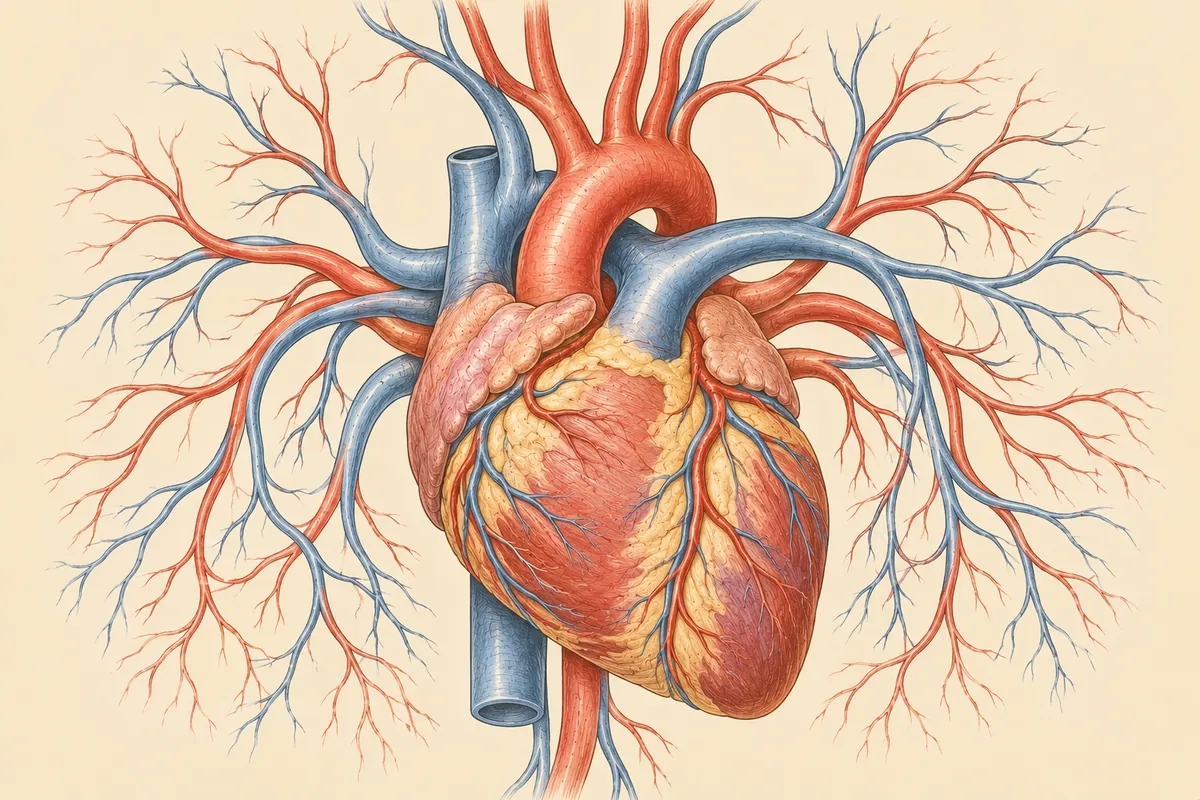 Blood and circulation
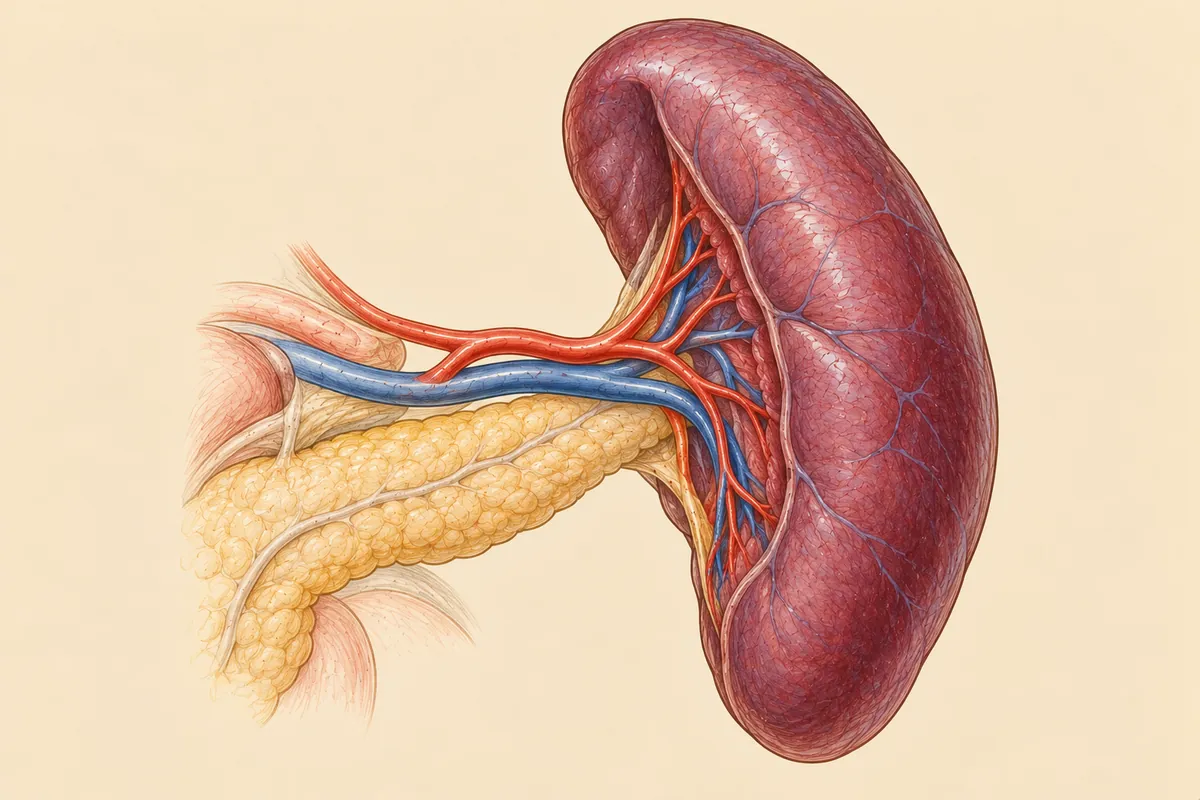 Spleen
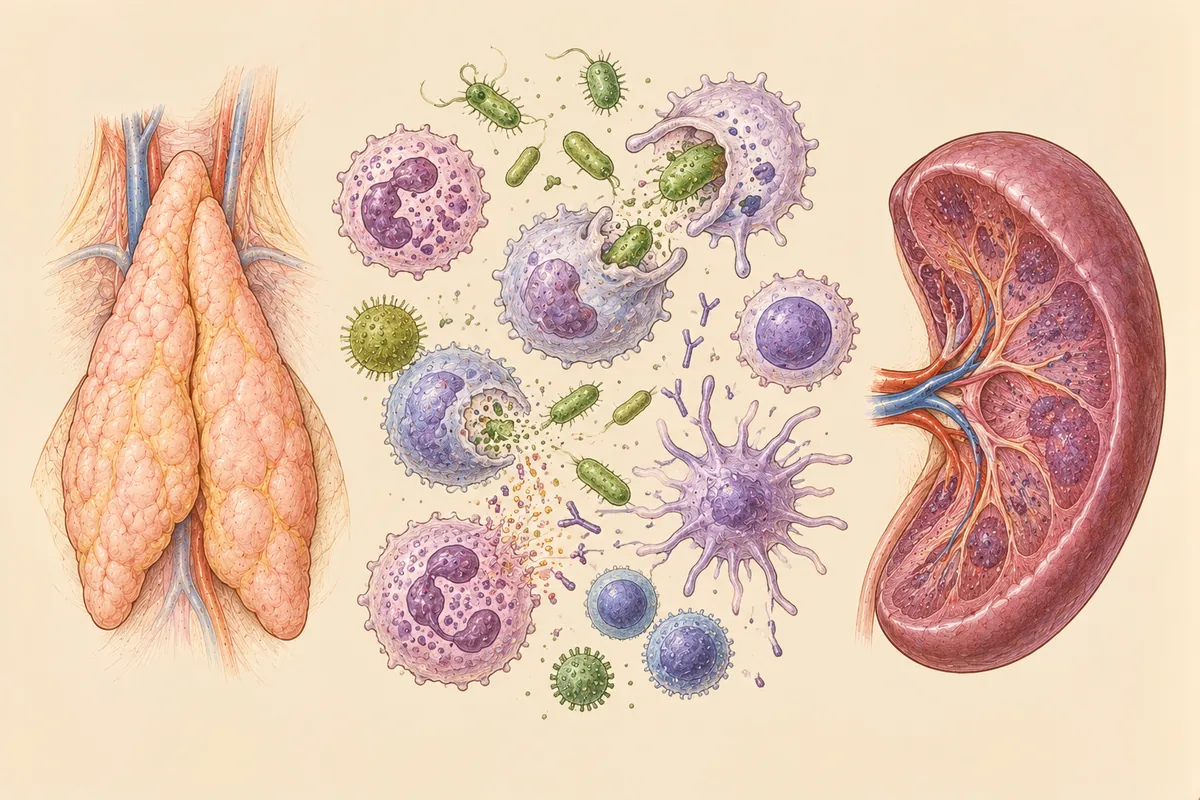 Body defenses
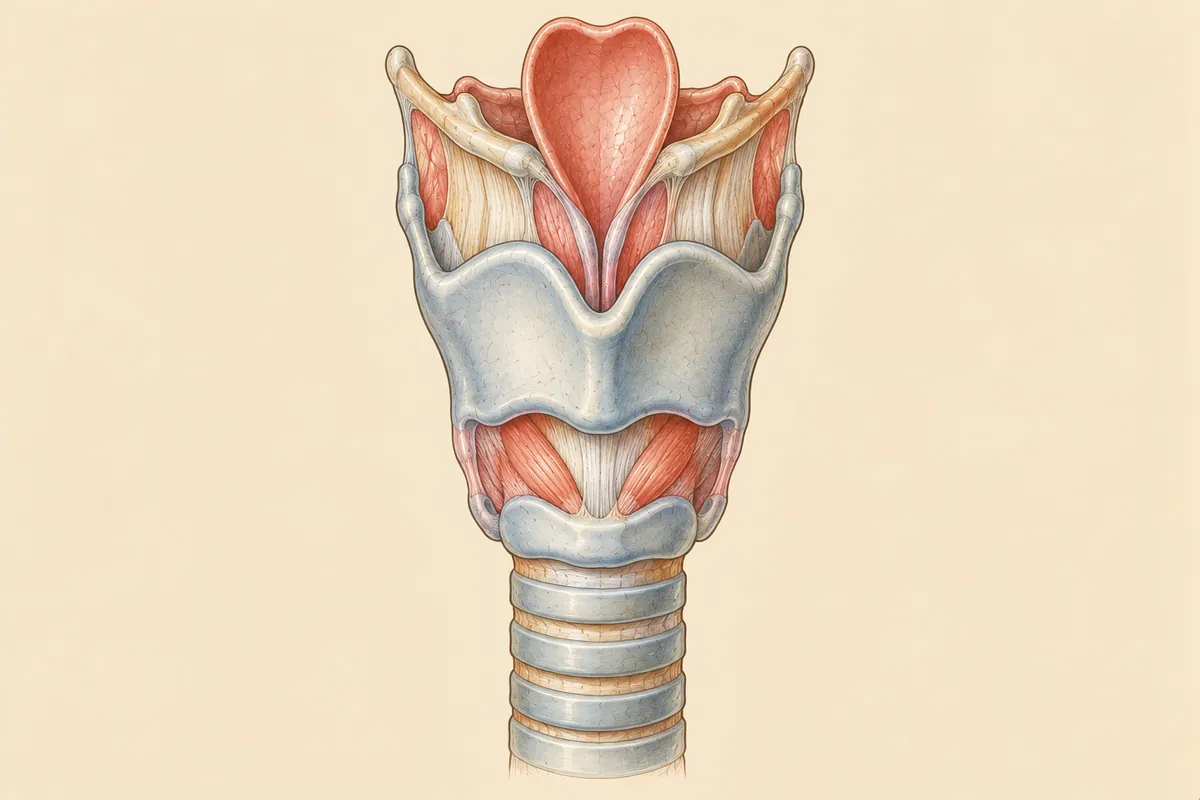 Throat and voice
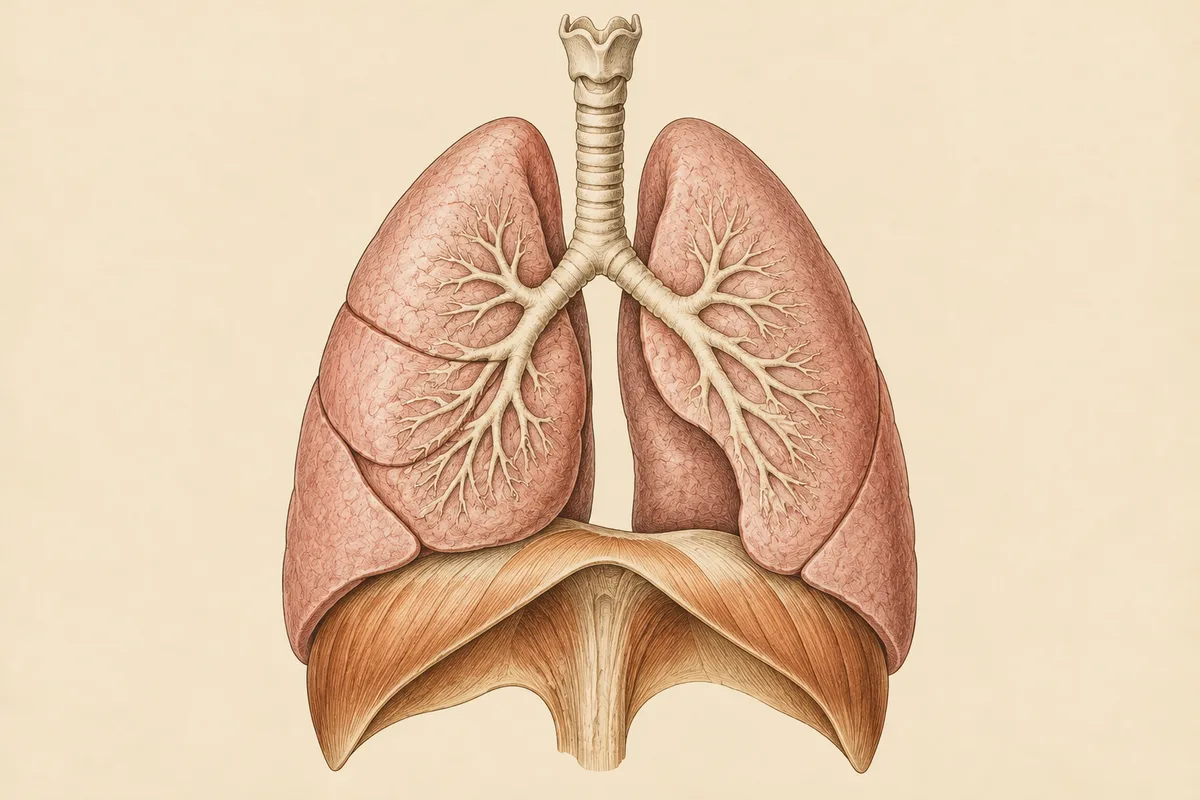 Lungs
Lungs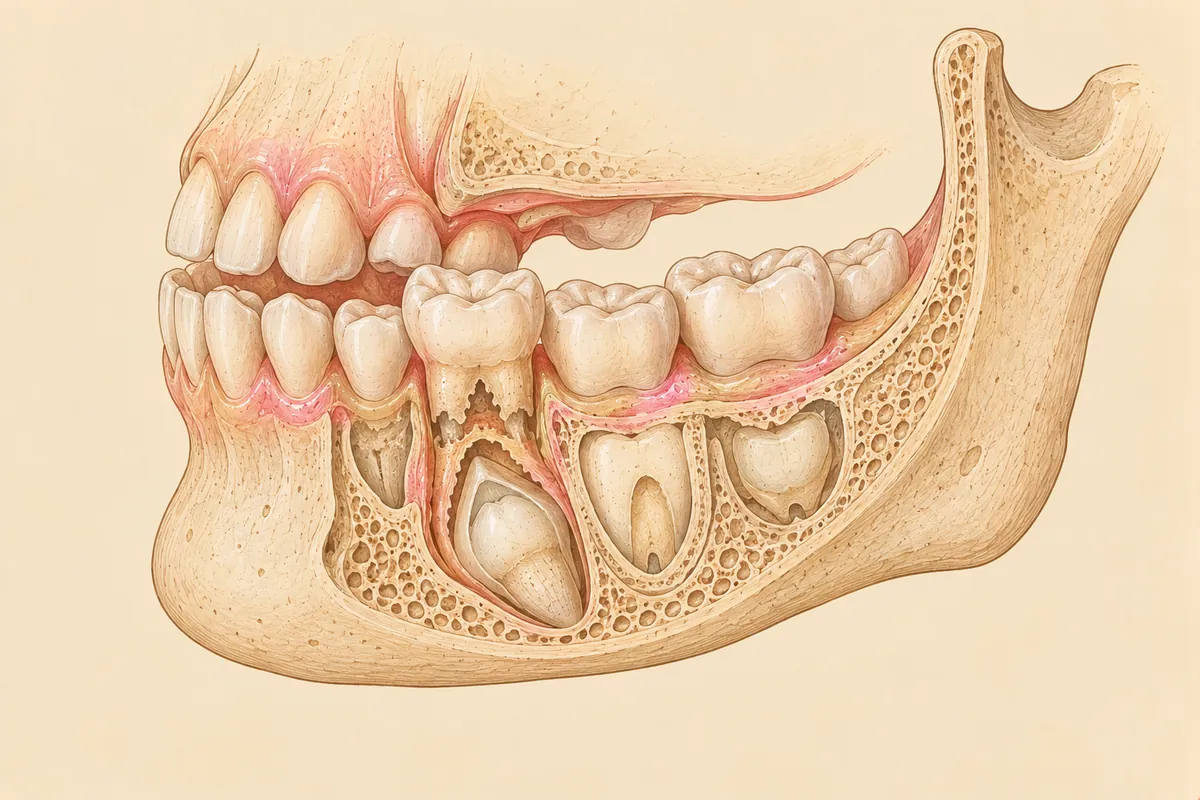 Baby teeth
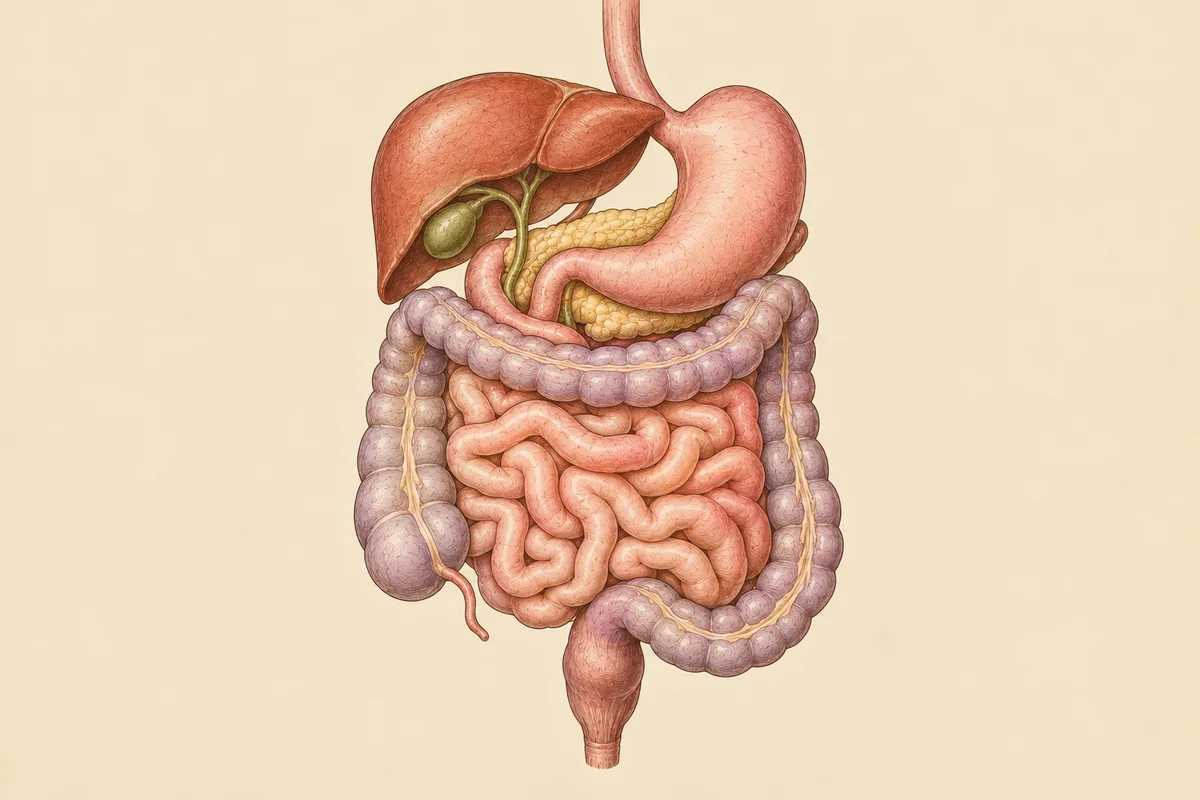 Digestion
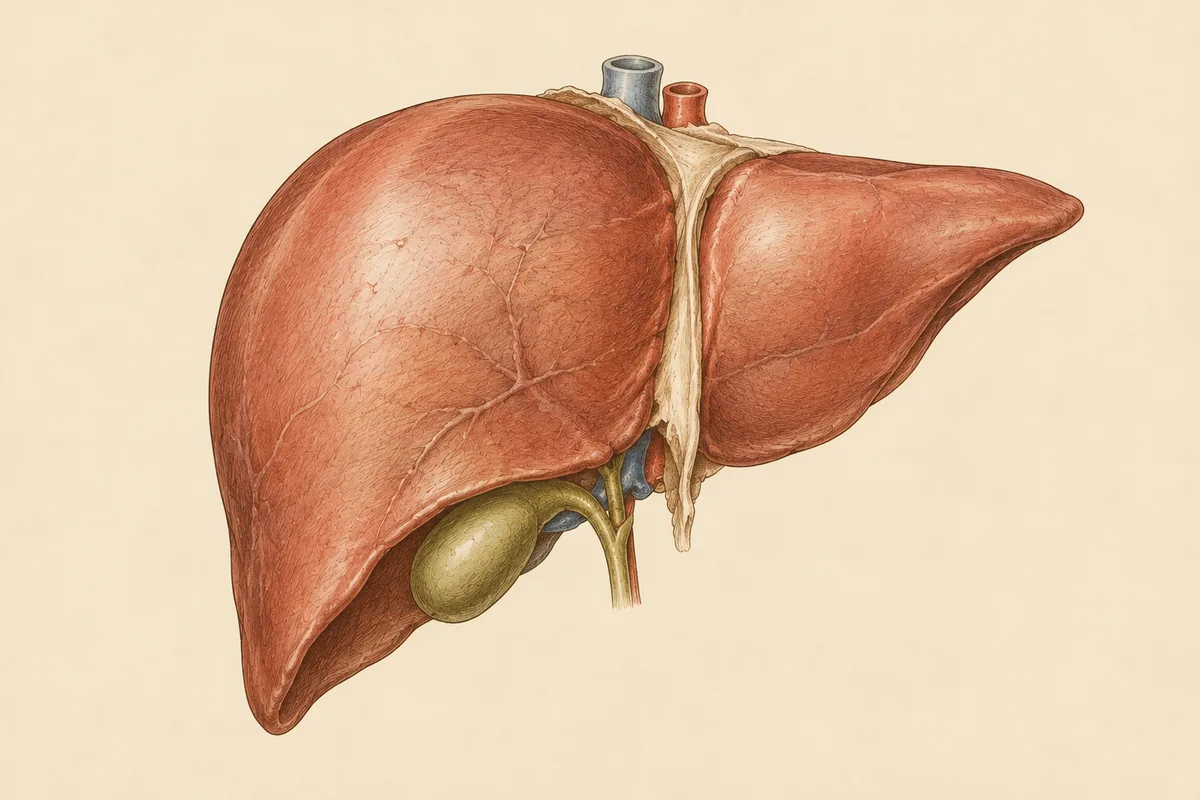 Liver
Liver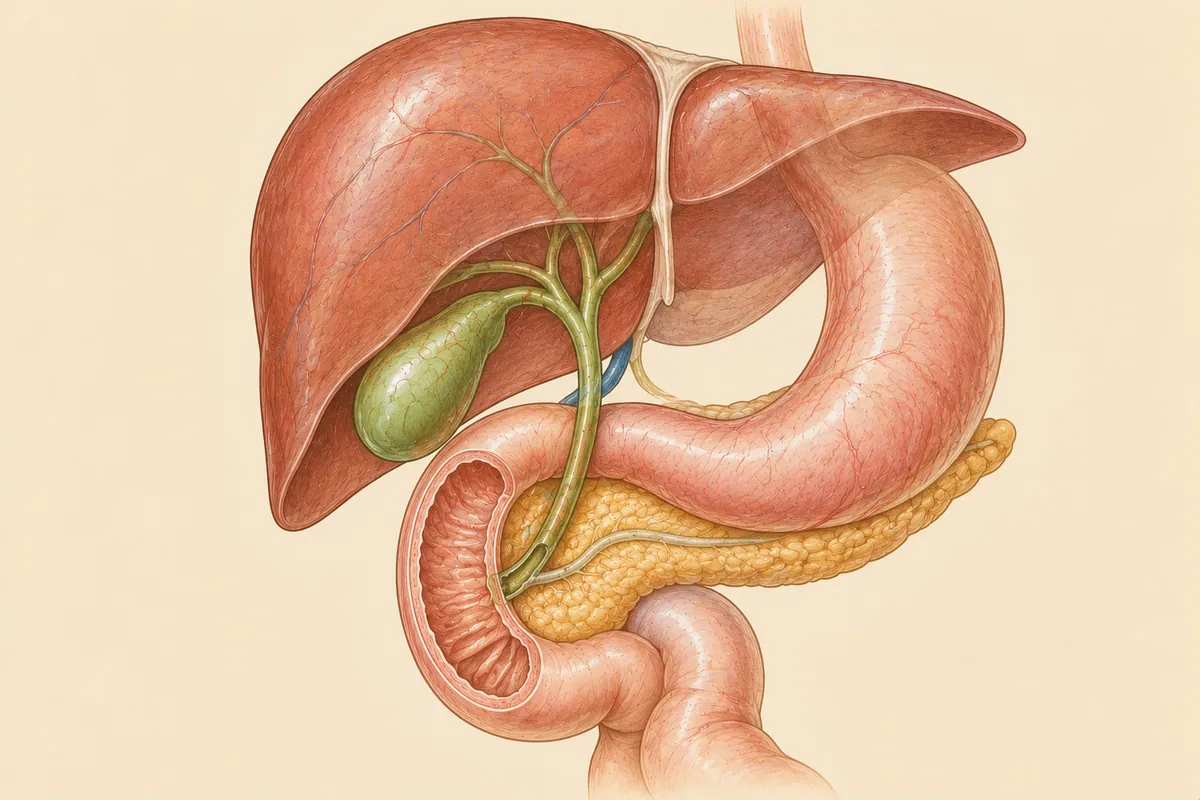 Gallbladder
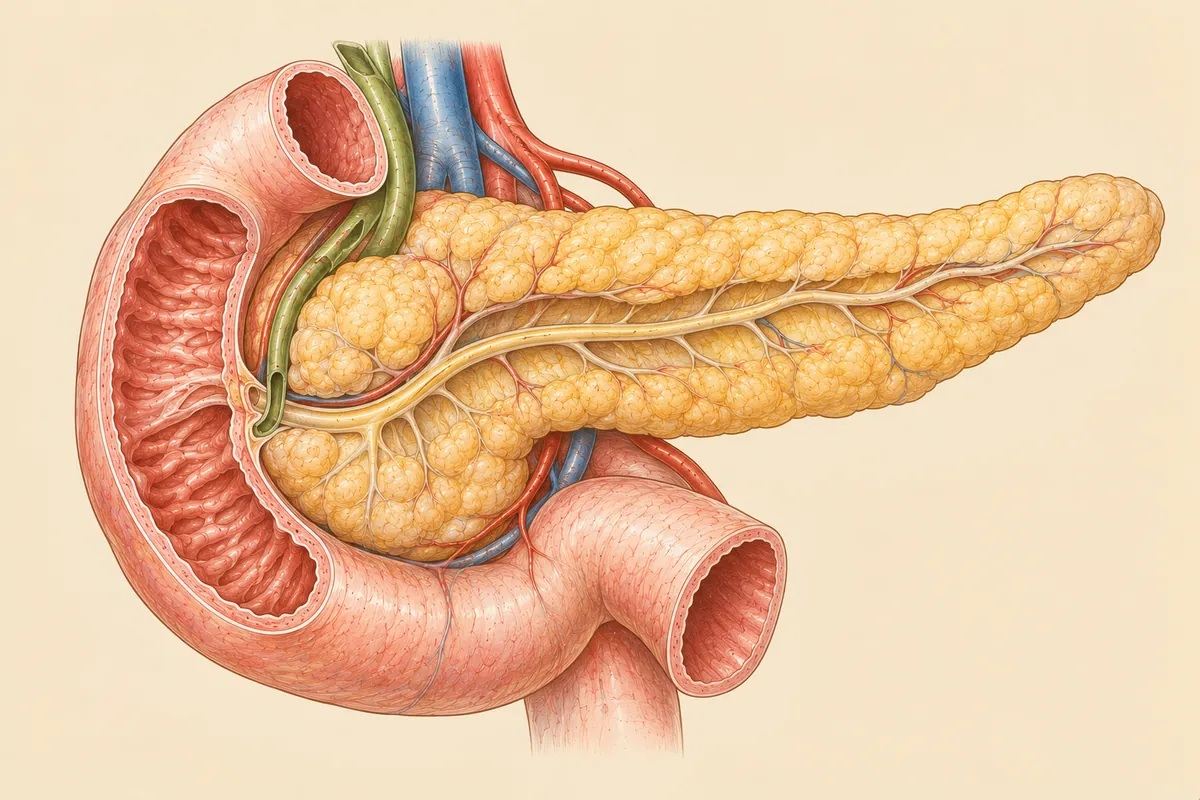 Pancreas
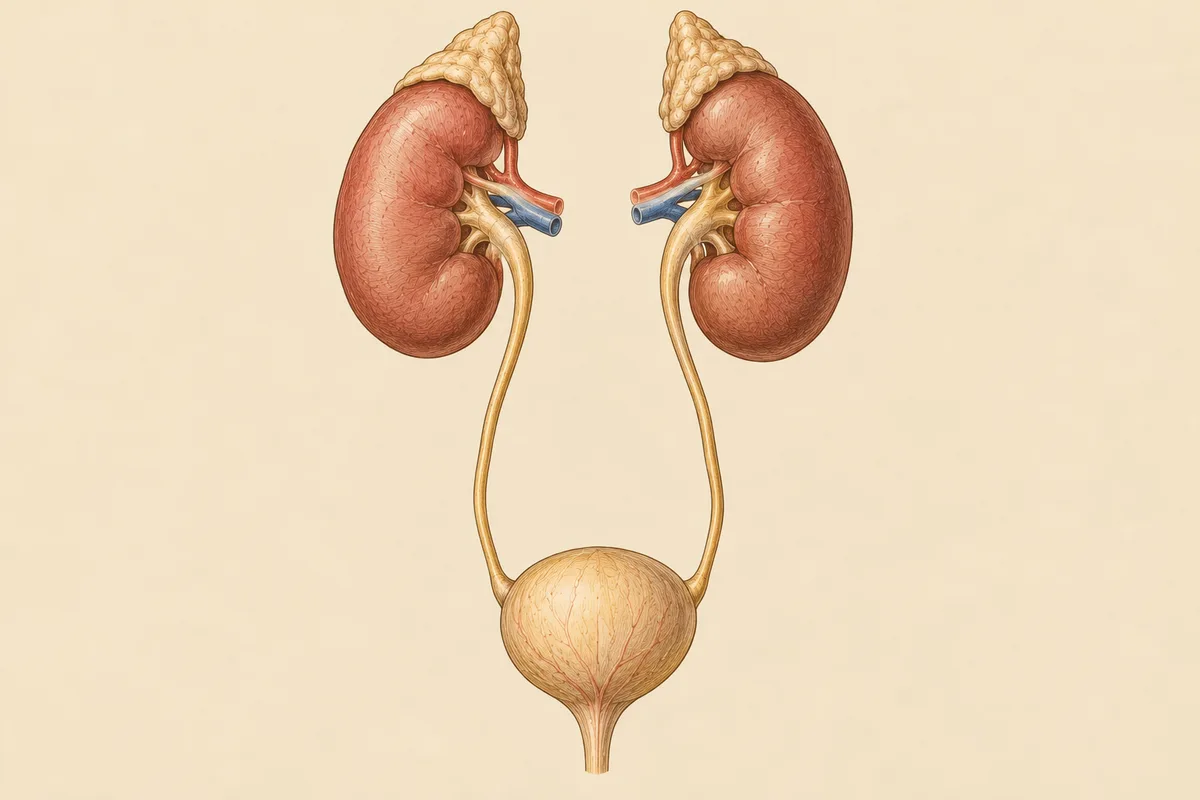 Kidneys
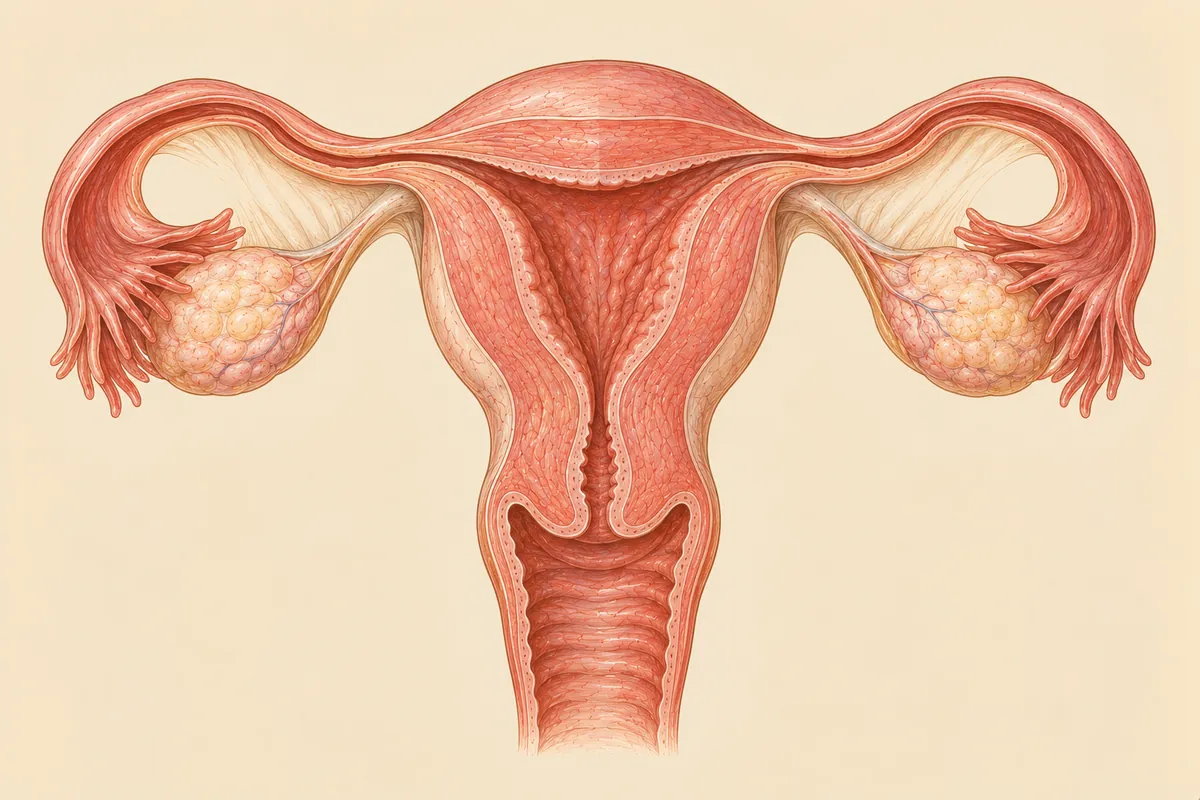 Reproductive system
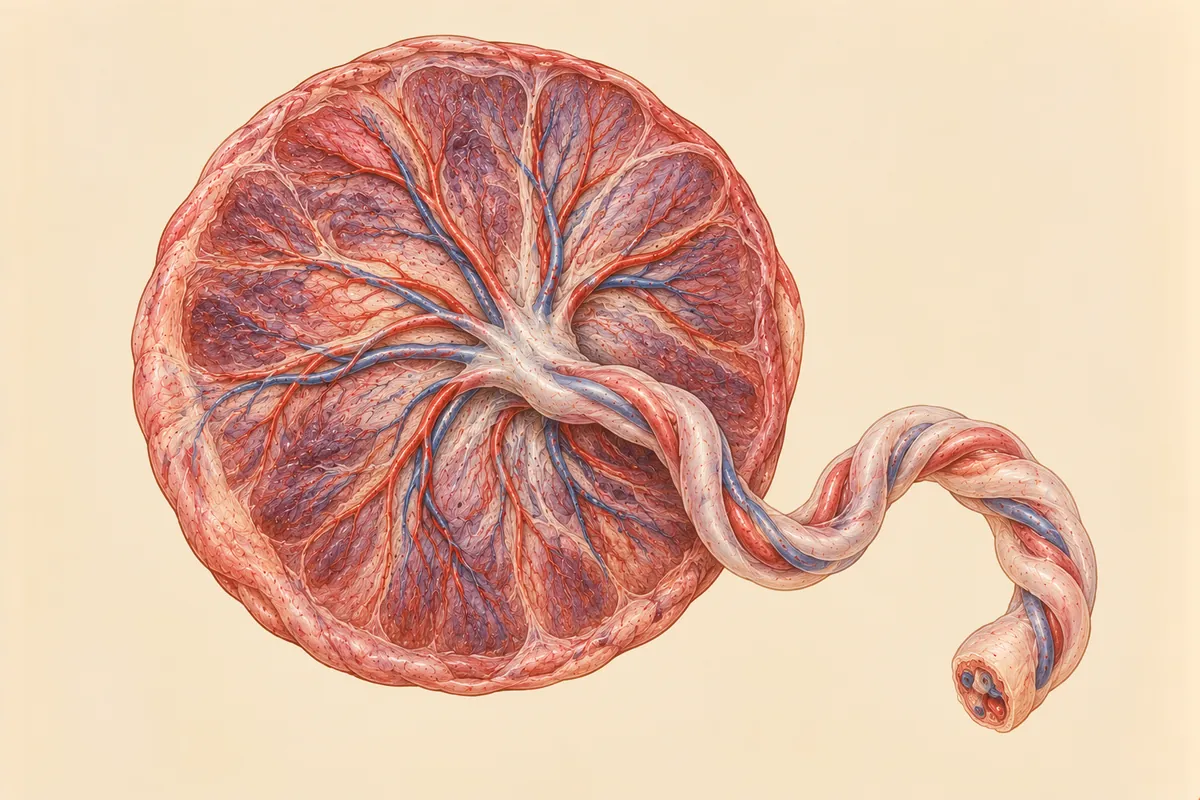 Pregnancy
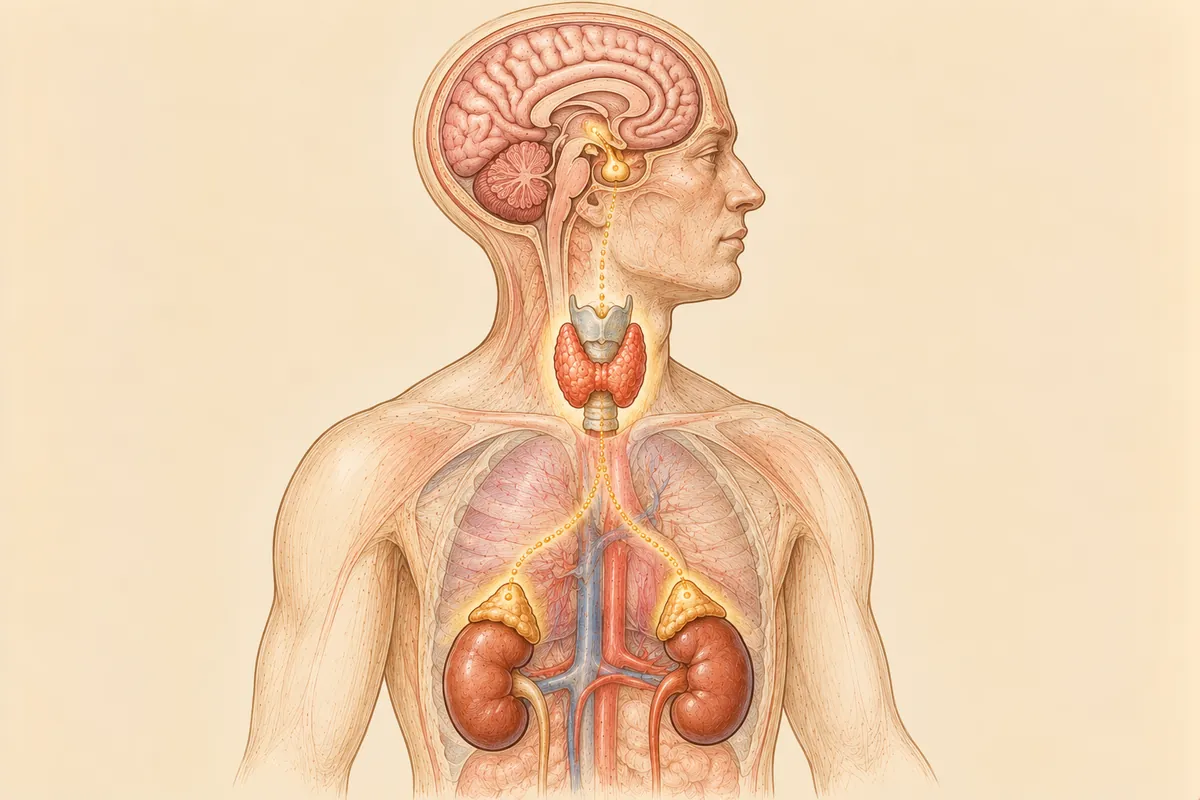 Glands and hormones
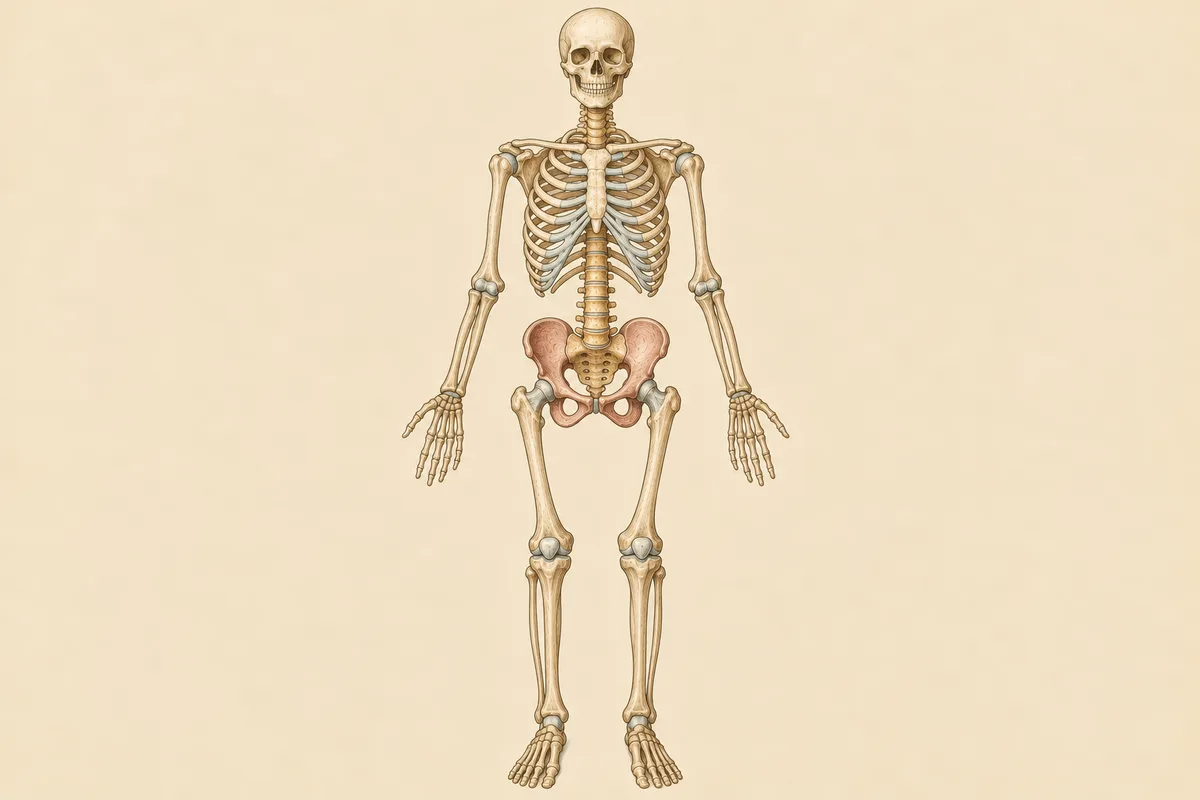 Skeleton
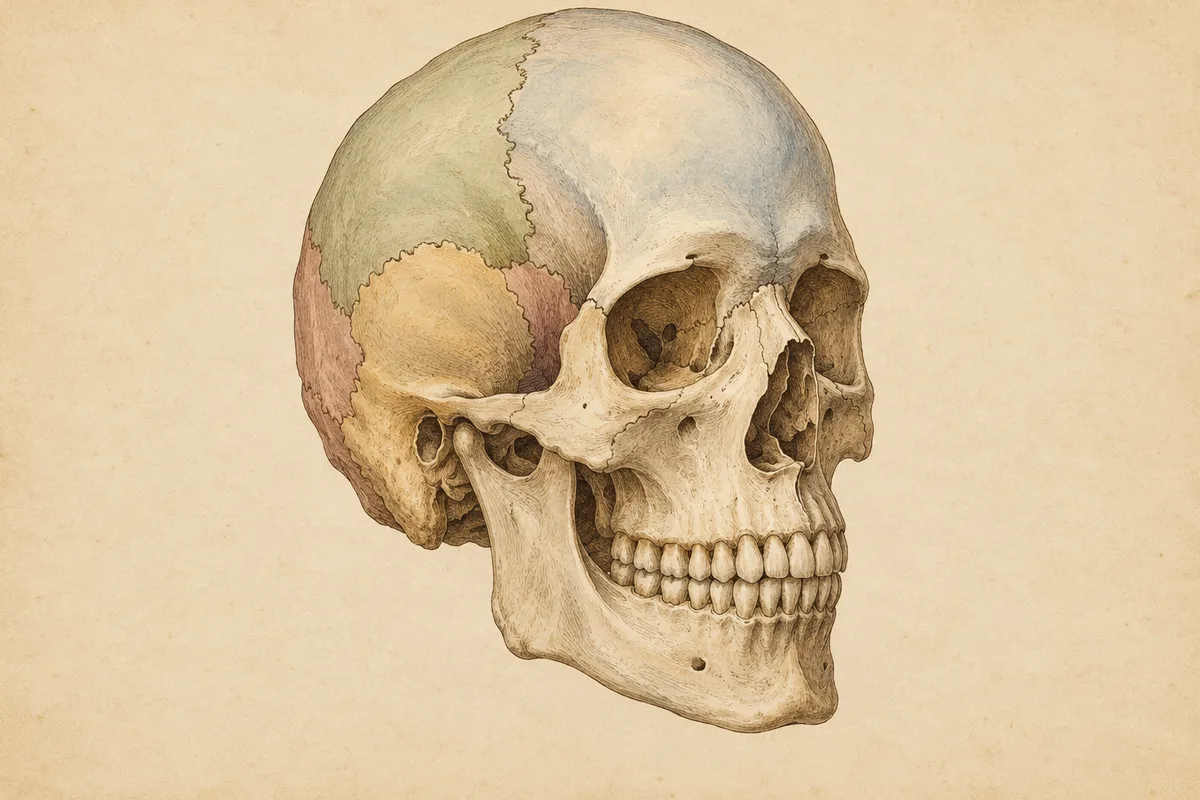 Skull
Skull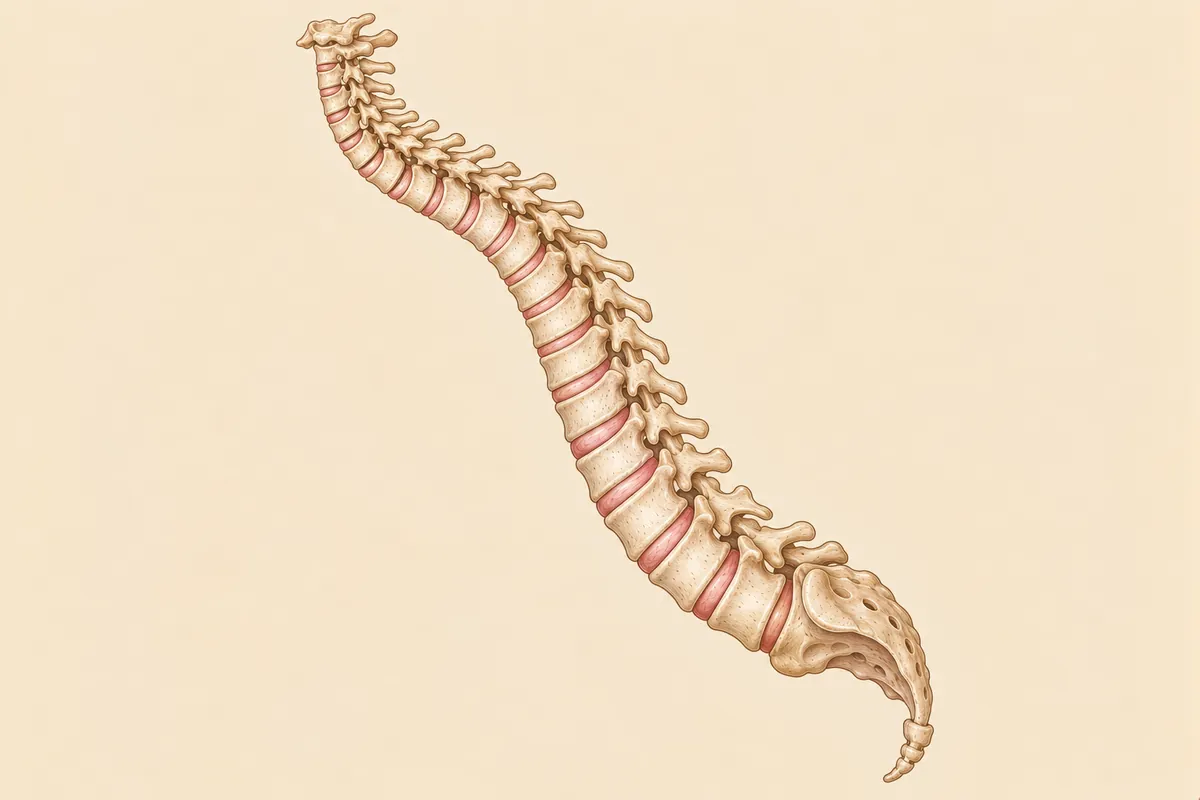 Spine
Spine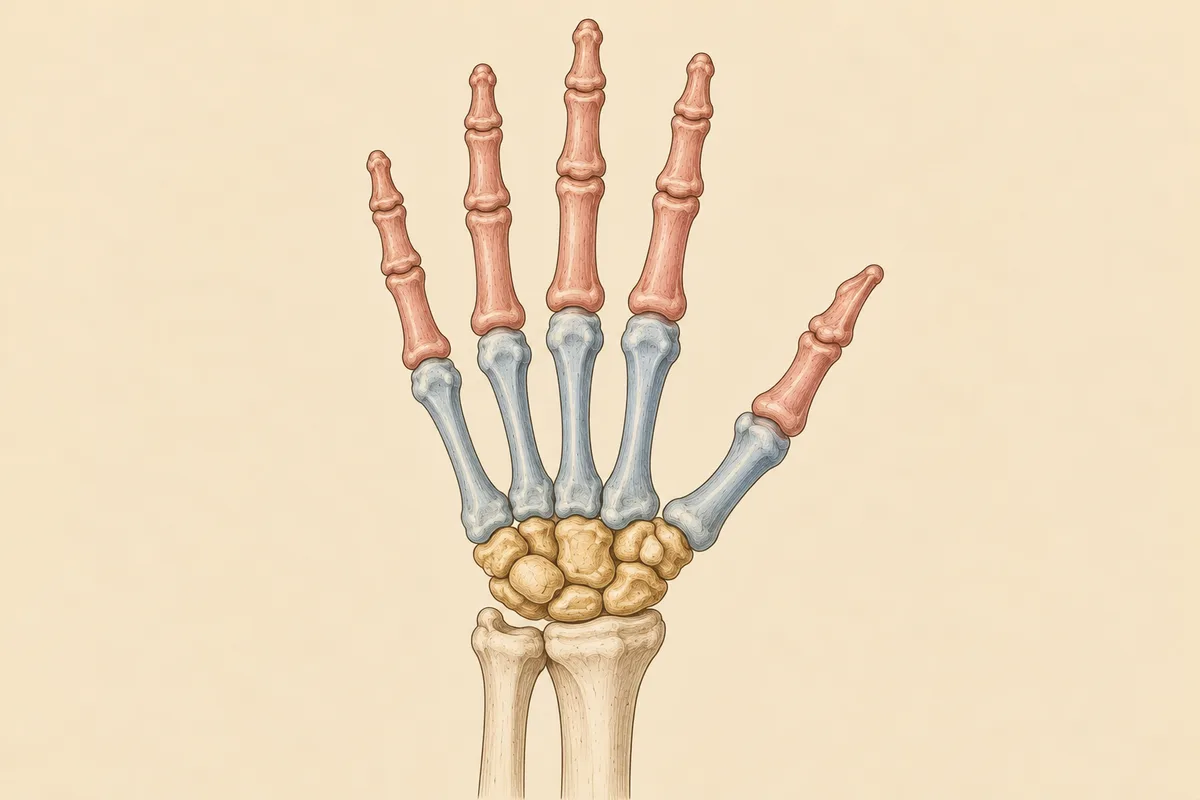 Hand
Hand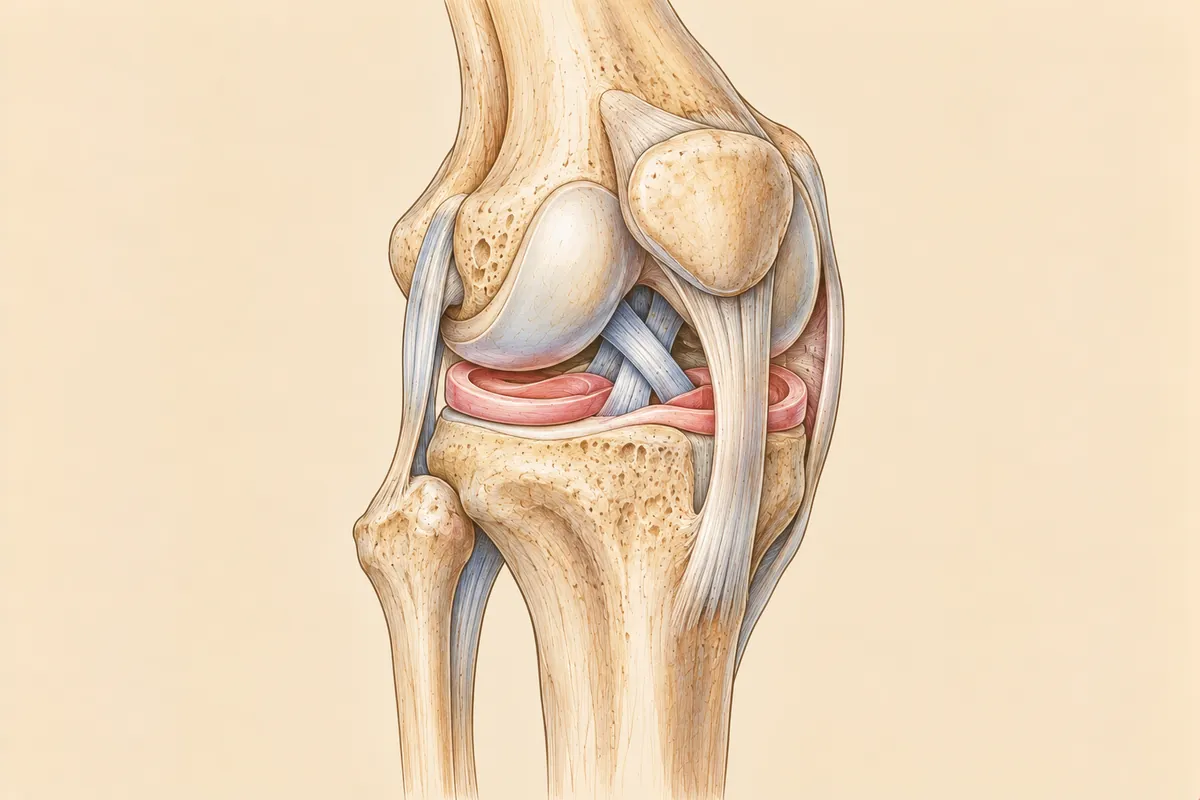 Knee
Knee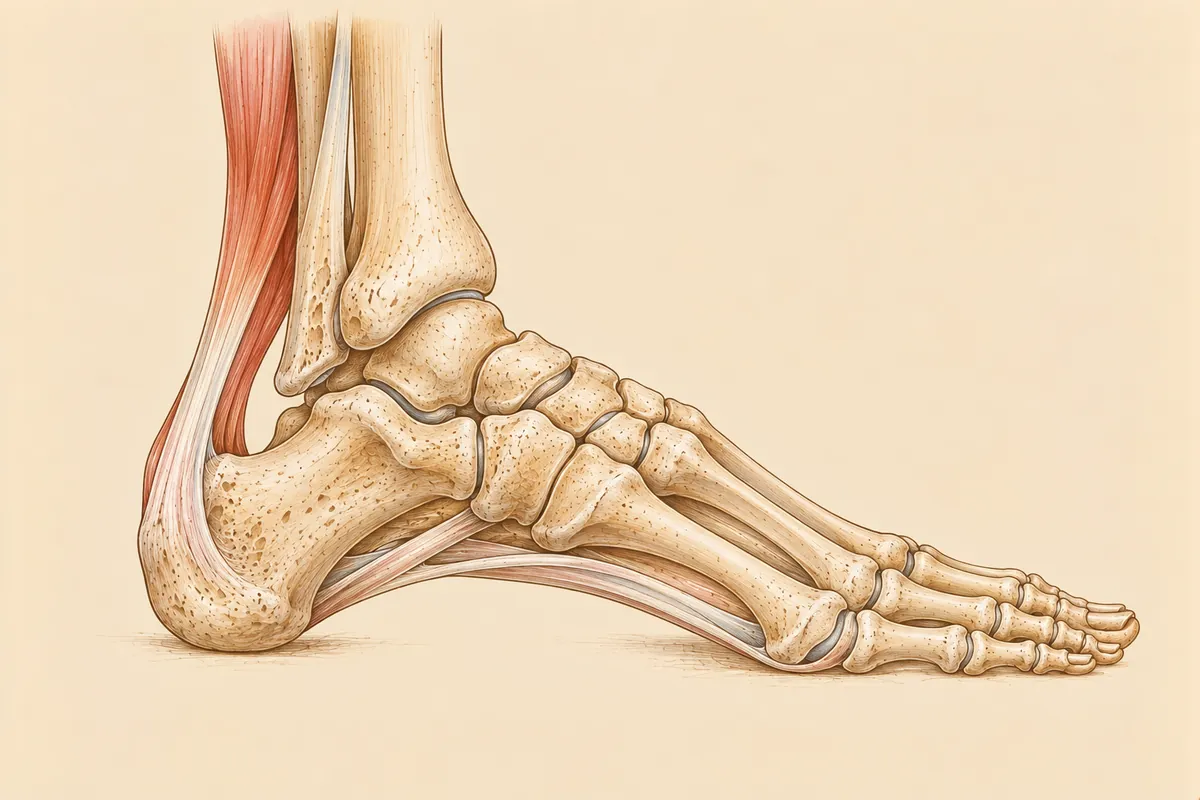 Foot
Foot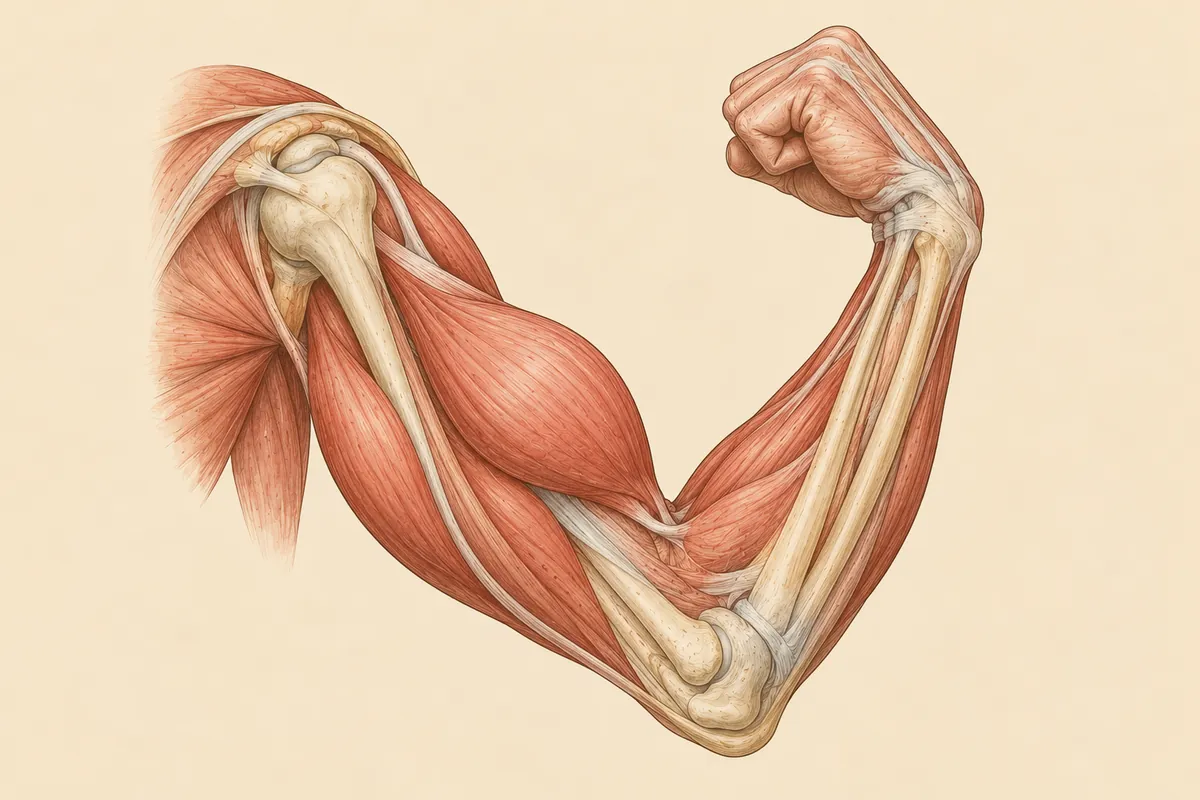 Muscles
Human body facts for kids
Amazing things your body does every day. Each fact links to the page that explains it, with a drawing and a 3D model.
Surprise fact
Your biggest organ is your skin
In an adult it covers about 2 square meters, roughly the size of a door (just a comparison).
Learn more →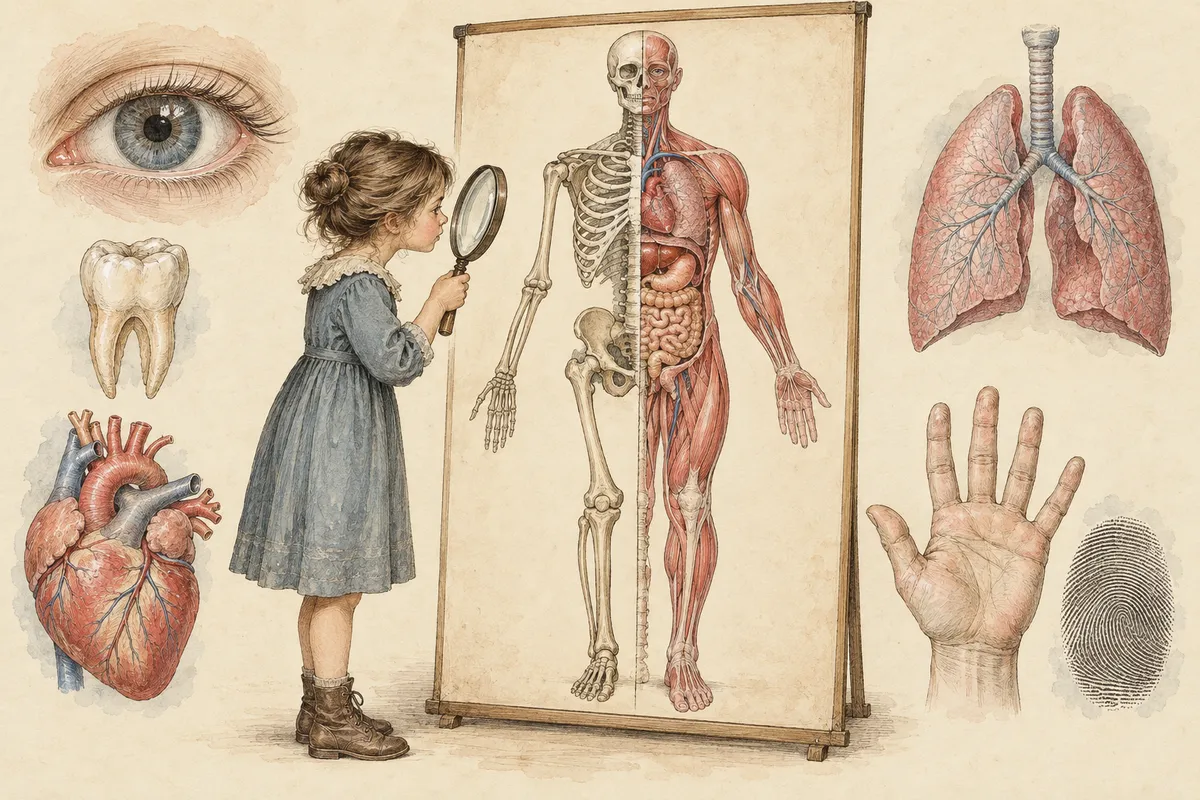
The whole body
Nervous system and senses
- Messages at over 400 km/h (250 mph)The fastest nerves carry messages between the brain and the body at about 120 meters per second. That’s faster than a race car.Learn more →
- You can’t tickle yourselfYour brain already knows what your hand is about to do. Without the surprise, the tickle hardly works.Learn more →
- A foot that “falls asleep” isn’t sleepingThe pins and needles happen when a squeezed nerve starts sending signals again, all jumbled up.Learn more →
- You use your whole brainThe story that we only use 10% of our brain is a myth. Over the day, practically every part gets to work.Learn more →
- Your brain weighs about 1.4 kg (3 lb)It is only 2% of your body weight, but it uses about 20% of the energy your body uses at rest.Learn more →
- Everyone dreamsEven people who don’t remember anything dream for about two hours a night.Learn more →
- Brain freeze isn’t in your brainIt starts in nerves at the roof of your mouth that feel the cold and sound the alarm. It passes in a few seconds.Learn more →
- You blink 15 to 20 times a minuteEach blink spreads tears and cleans your eye, a bit like a windshield wiper (just a comparison).Learn more →
- Eye color comes from the same pigment as skinIt is melanin: lots of it makes eyes brown, a little makes them green or blue.Learn more →
- Onions give off a gasWhen you cut an onion, it releases a gas that irritates your eyes, and tears show up to wash it away.Learn more →
- Your ears help you balanceThat’s why you feel dizzy after spinning: the fluid inside keeps moving.Learn more →
- Your nostrils take turnsOne is more open while the other rests, and they switch during the day without you noticing.Learn more →
- You can’t smell your own homeYour nose gets used to smells that don’t change and pays attention to new ones.Learn more →
- Up to 1.5 liters of spit a dayAn adult makes half a liter to a liter and a half of saliva a day and swallows almost all of it.Learn more →
- Your tongue isn’t your strongest muscleBut it works all day, even while you sleep. The one that squeezes the hardest is a jaw muscle.Learn more →
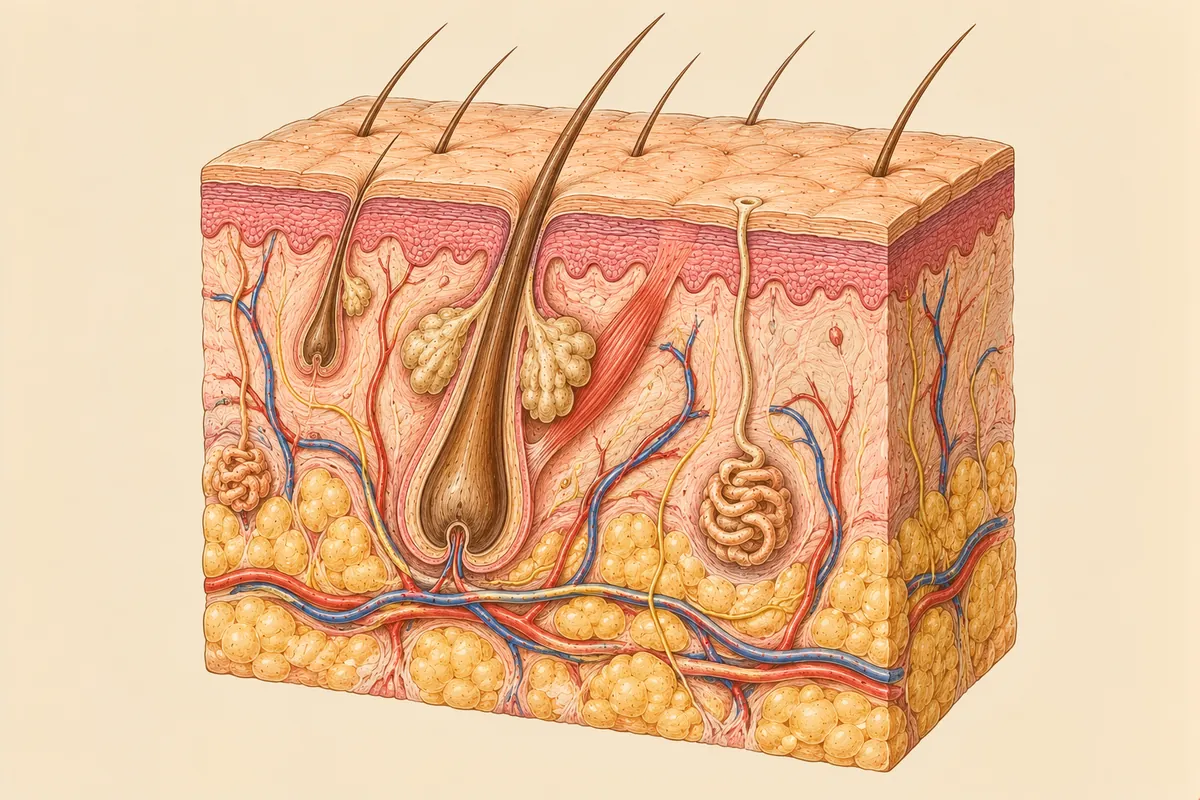
- Every hair has a tiny muscleWhen you’re cold or feel something strongly, these muscles pull the hairs up and you get goosebumps.Learn more →
- Fingernails grow about 2.5 mm a monthThey are made of keratin, the same stuff as hair. Toenails grow more slowly.Learn more →
- That little zap is static electricityYour body builds up electric charge on a carpet or a wool sweater and lets it all go at once when you touch metal.Learn more →
Heart, blood and defenses
- Your heart beats about 100,000 times a dayIt doesn’t stop even when you sleep. Children’s hearts beat even faster.Learn more →
- Your heartbeat sound comes from valvesThey are little doors inside the heart that close with every beat so blood doesn’t flow backward.Learn more →
- Blood is never blueIt is always red, because of the iron in red blood cells. Veins only look blue because of how light passes through skin.Learn more →
- An adult has about 5 liters of bloodThat’s about the same as two and a half big 2-liter soda bottles (just a comparison).Learn more →
Breathing
- More than 17,000 breaths a dayAnd children breathe even faster than adults.Learn more →
- Your left lung is smallerIt shares space with the heart, which sits a little to the left.Learn more →
- Hiccups come from a muscleIt is the diaphragm, under your lungs, suddenly tightening and making the “hic”.Learn more →
- Your lungs help you floatFull of air, they work a bit like a float (just a comparison). But kids in the water always need an adult nearby.Learn more →
Digestion
- 20 baby teeth, 32 adult teethBaby teeth start falling out around age 5 or 6, and the permanent ones take their place.Learn more →
- New teeth wait hidden in the boneThey start forming very early and grow inside the jaw for years, under the baby teeth.Learn more →
- Your intestines are several meters longThe small intestine alone is 3 to 5 meters (10 to 16 feet). It fits in your belly because it is all coiled up.Learn more →
- Your tummy growls louder when you’re hungryWith an empty stomach, there is no food to muffle the noise of the muscles moving.Learn more →
- Your liver can grow backIt is the only internal organ that can recover even after losing a big piece.Learn more →
Kidneys and urine
Bones, muscles and movement
- The smallest bone in your body is in your earIt is the stirrup, about the size of a grain of rice.Learn more →
- Babies have more bones than adultsA baby is born with about 300 bones and bone pieces, which join together until there are 206.Learn more →
- You are taller in the morningBy about 1 cm, because the little cushions between your spine bones recover overnight.Learn more →
- Only one big bone in your head movesIt is the jawbone, which opens and closes your mouth to talk, chew and yawn.Learn more →
- You and a giraffe have 7 neck bonesA giraffe has the same number of neck vertebrae, just much bigger ones.Learn more →
- Your fingerprints are yours aloneNot even an identical twin has the same ones, and they never change during your life.Learn more →
- Your biggest muscle is in your bottomIt is the gluteus maximus. The smallest is inside your ear and is just a few millimeters long.Learn more →
For parents and teachers: the facts use plain language, and each one links to the full explanation, with sources at the bottom of the page. Use them in class or read them together with your child.