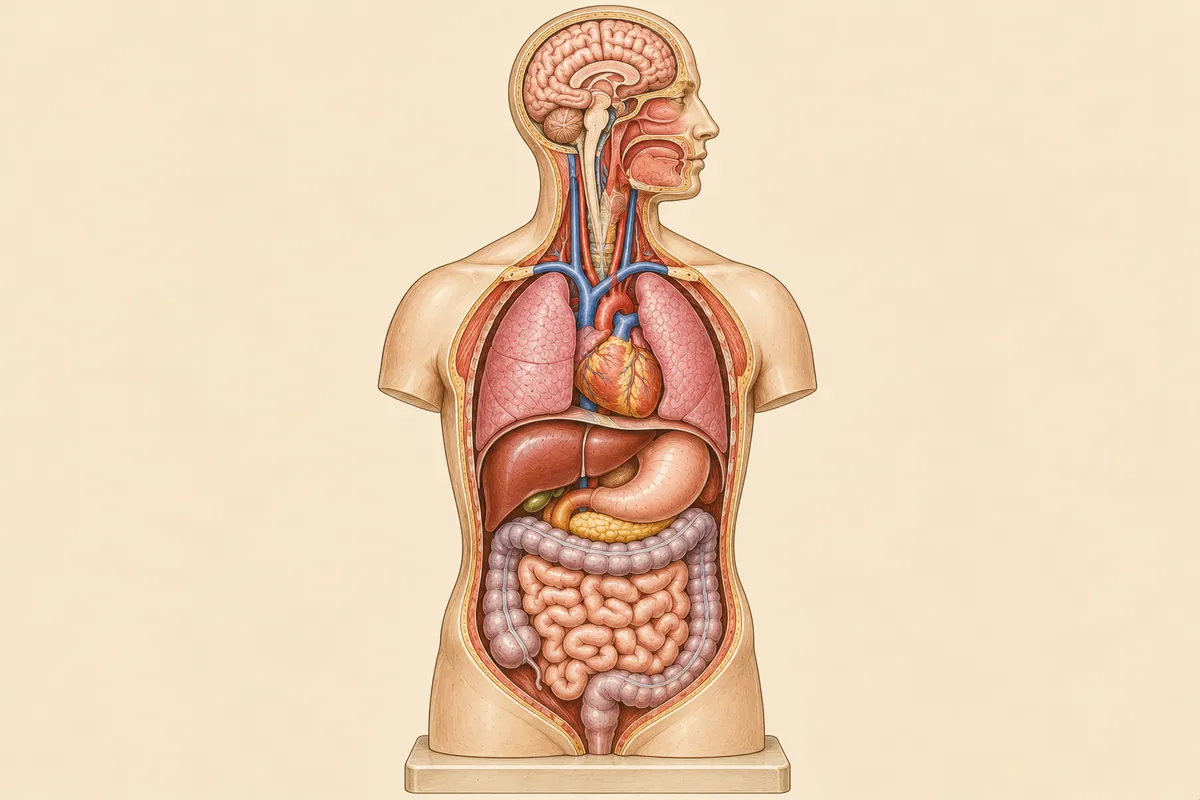
 The whole body
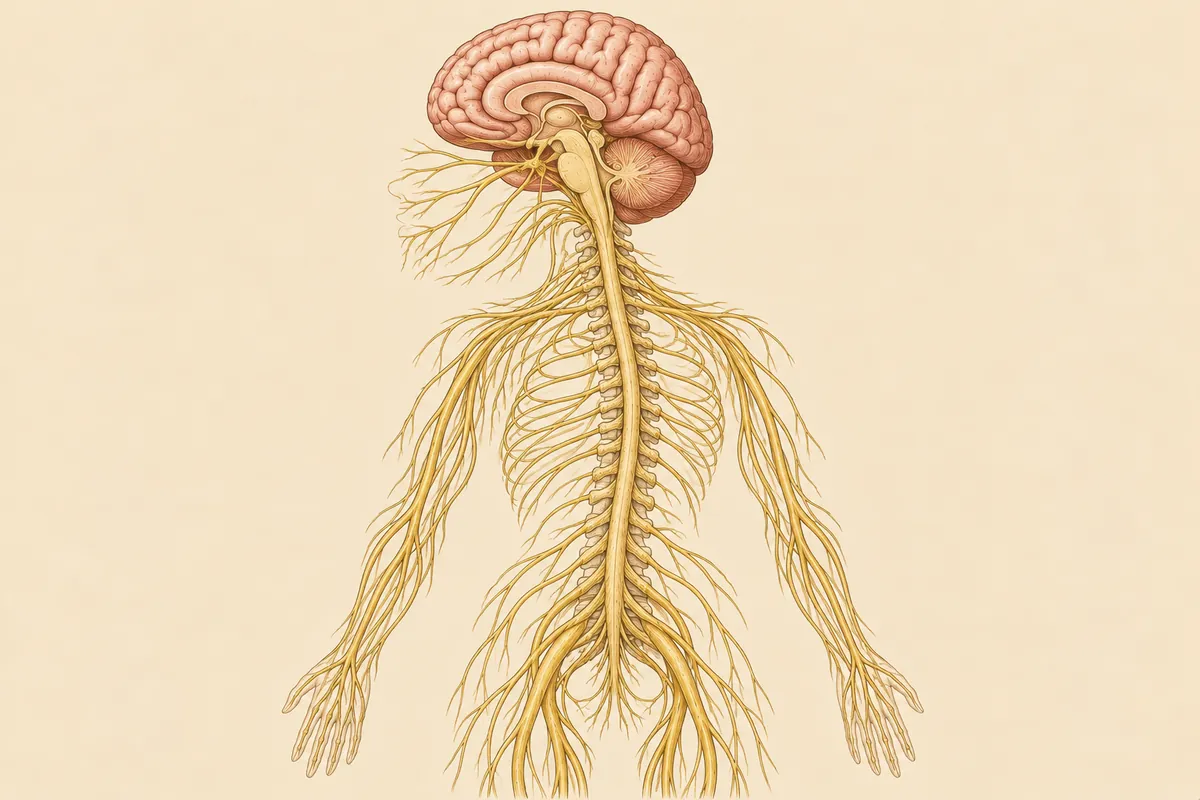 Nervous system
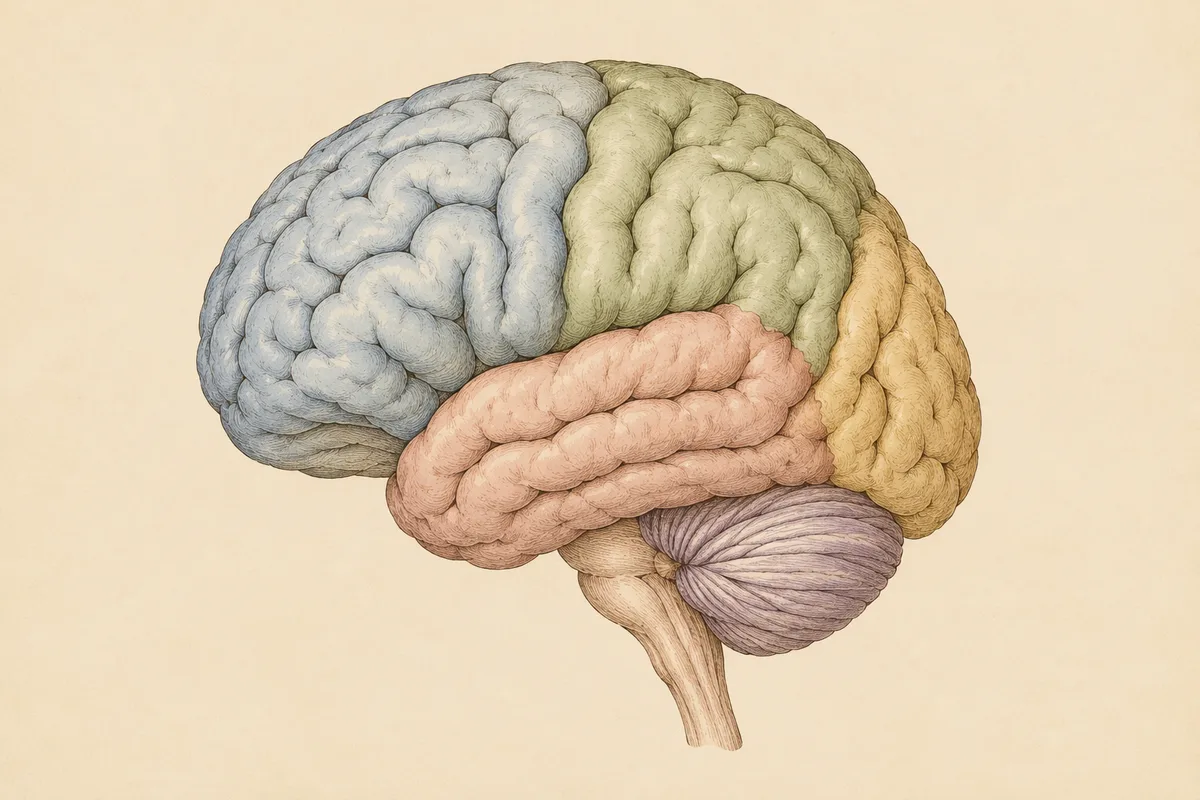 Brain
Brain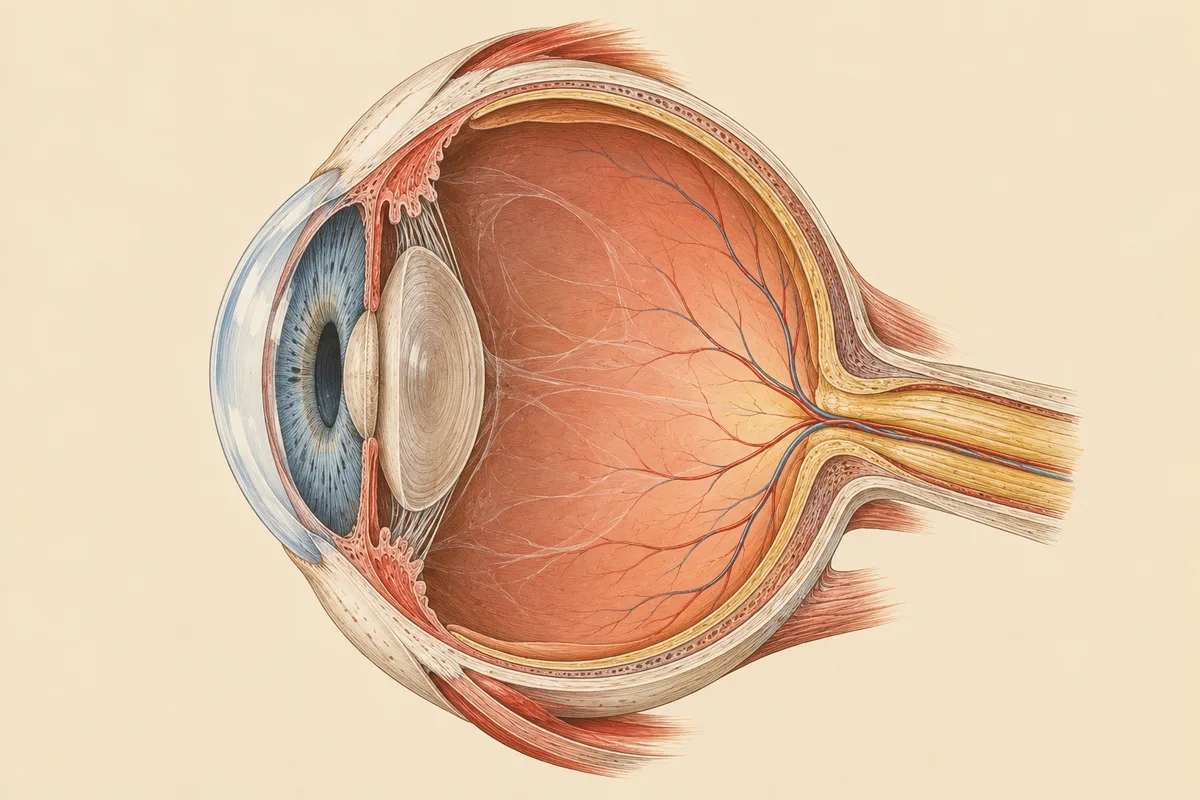 Eye
Eye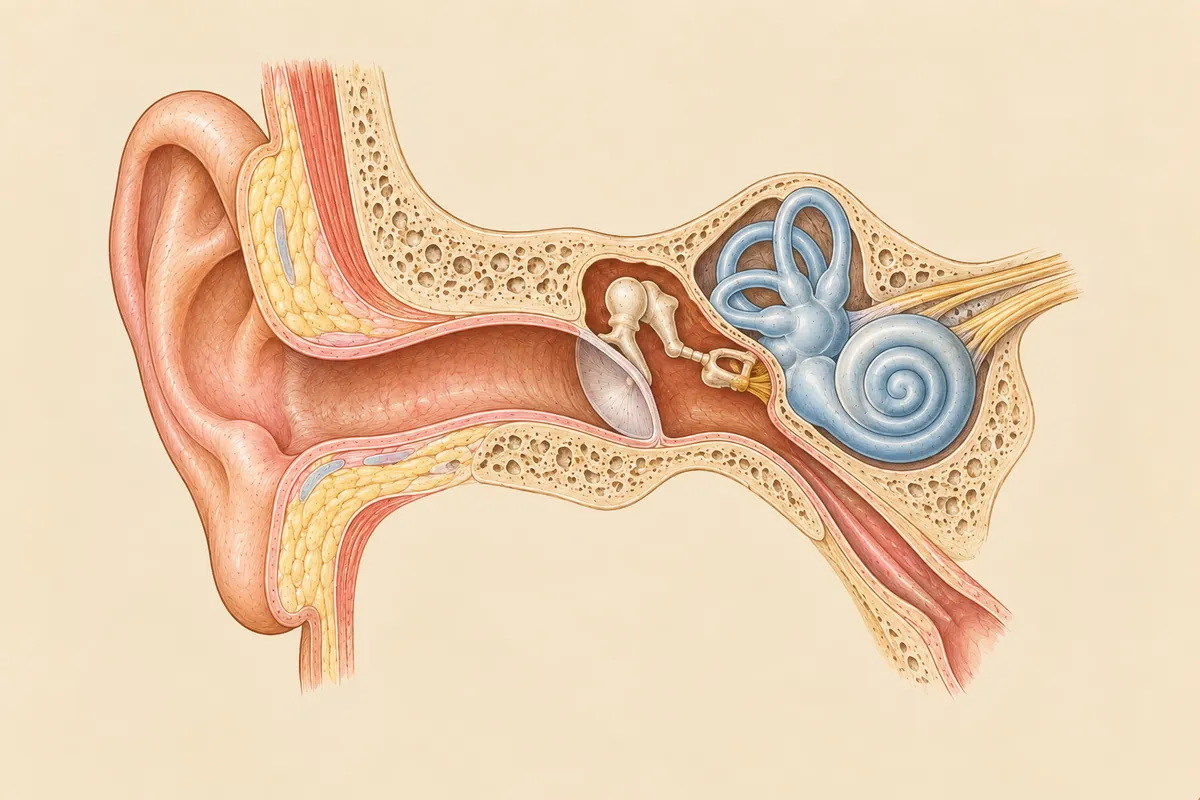 Ear
Ear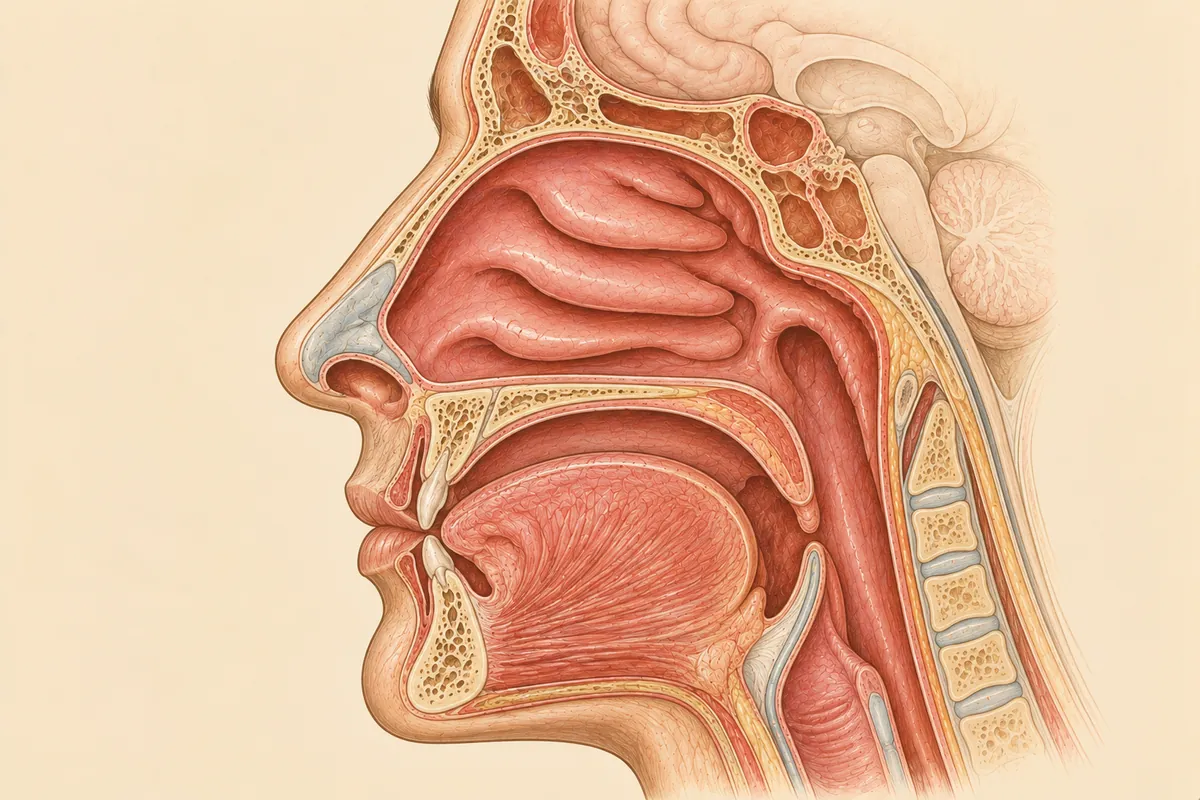 Nose
Nose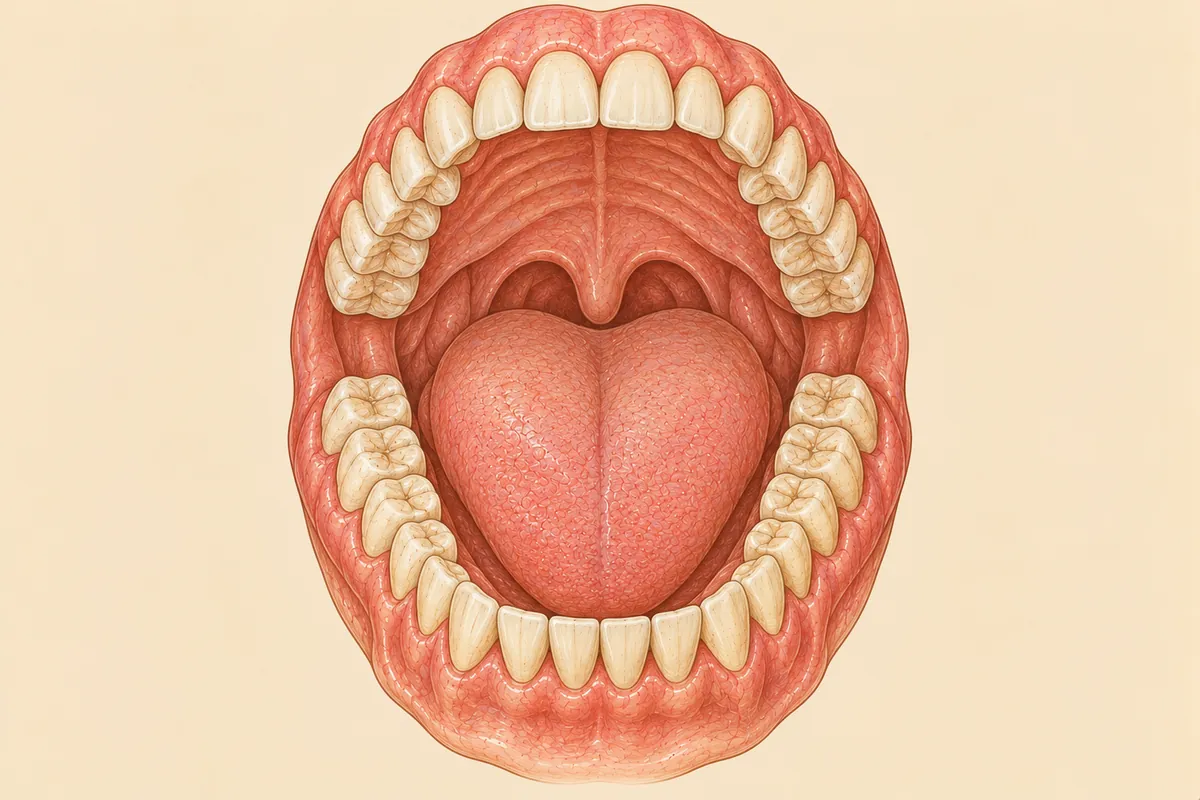 Mouth and teeth
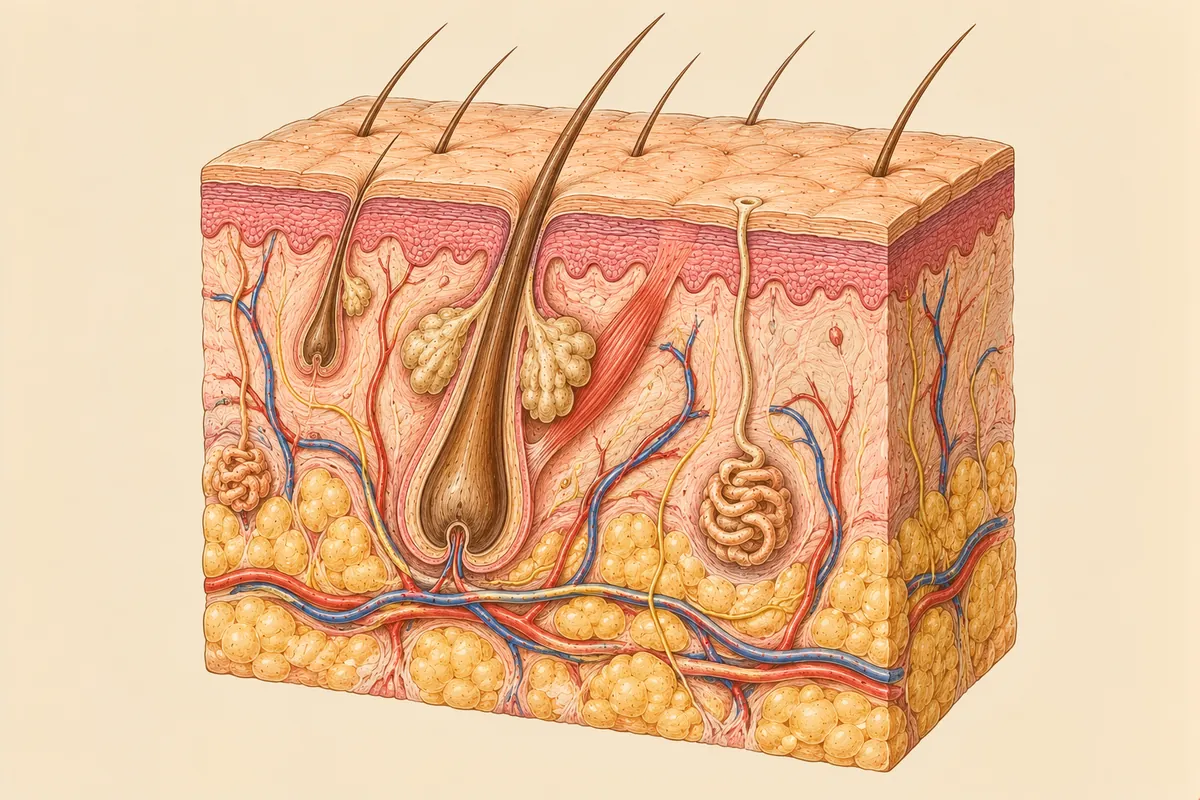 Skin and touch
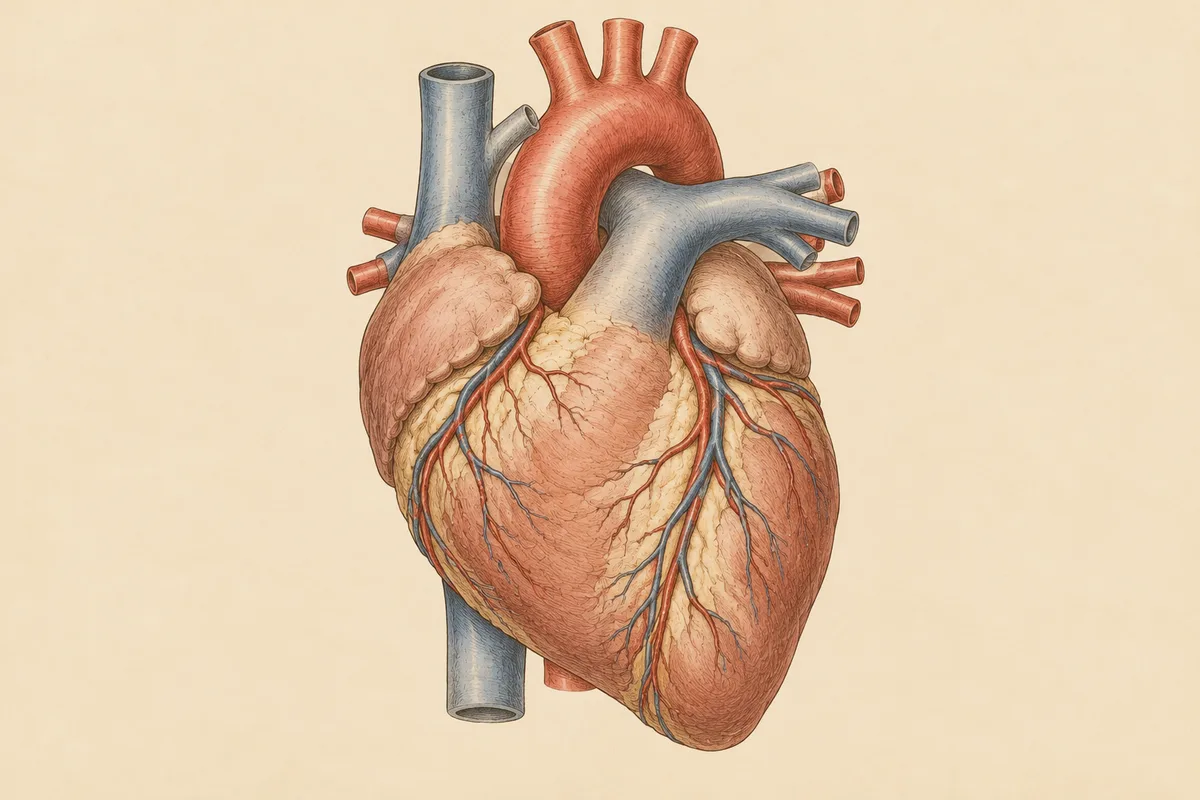 Heart
Heart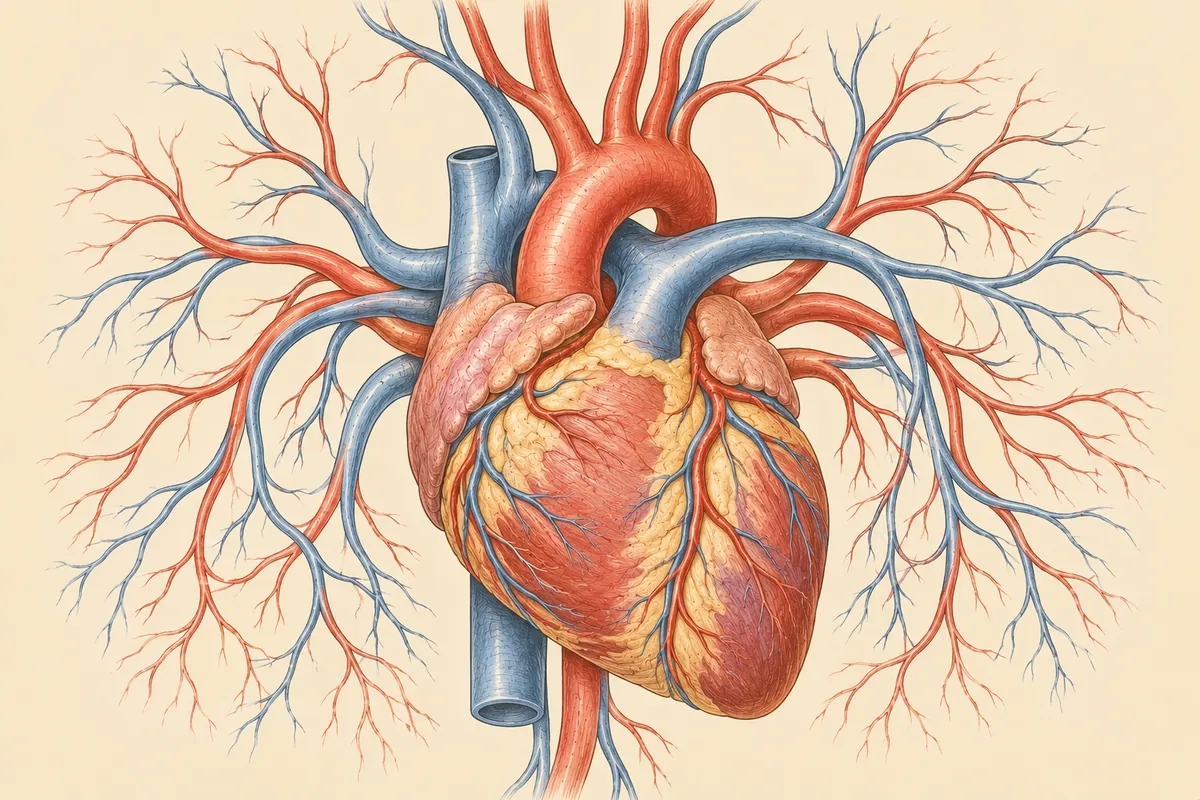 Blood and circulation
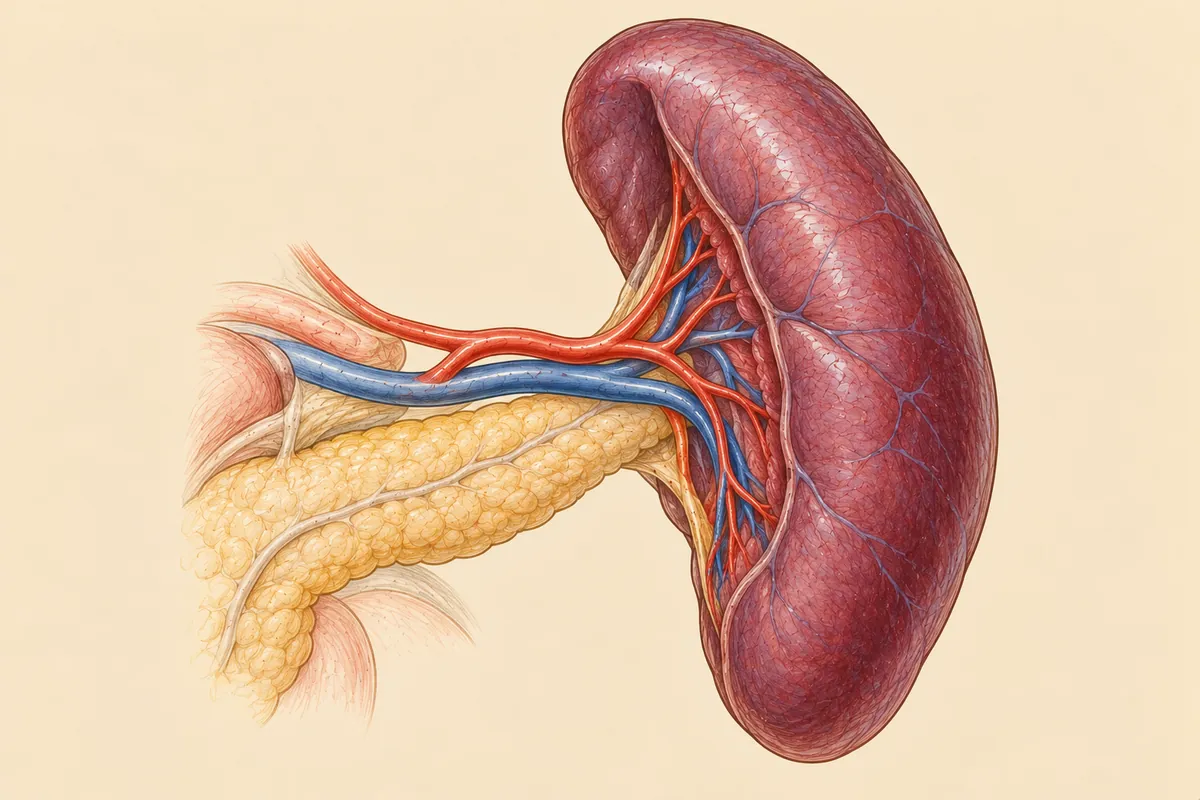 Spleen
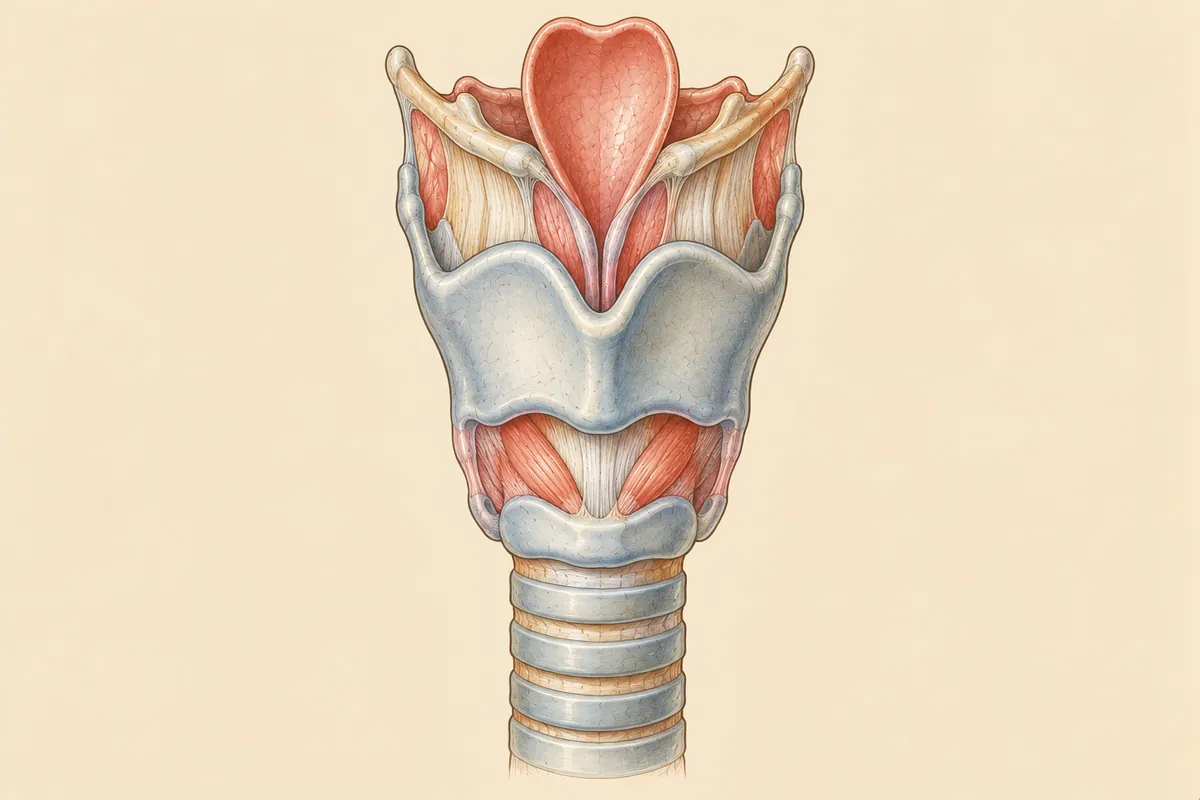 Throat and voice
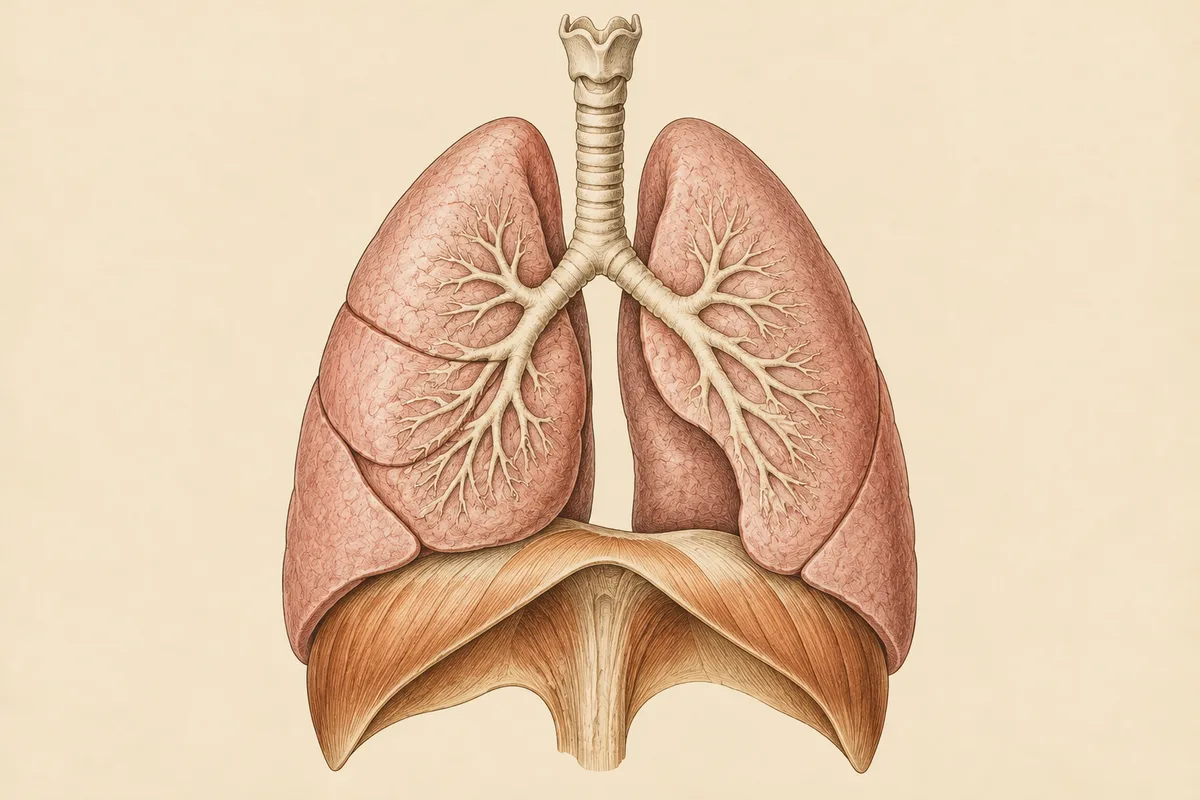 Lungs
Lungs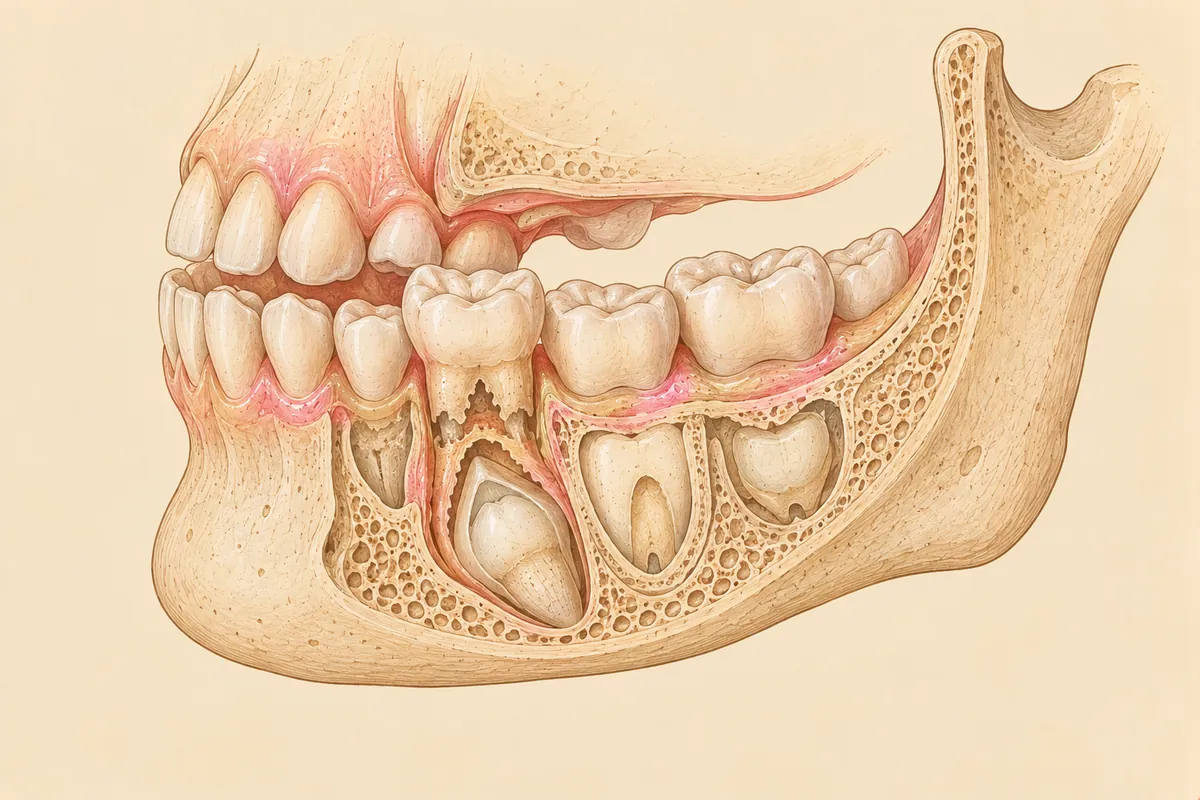 Baby teeth
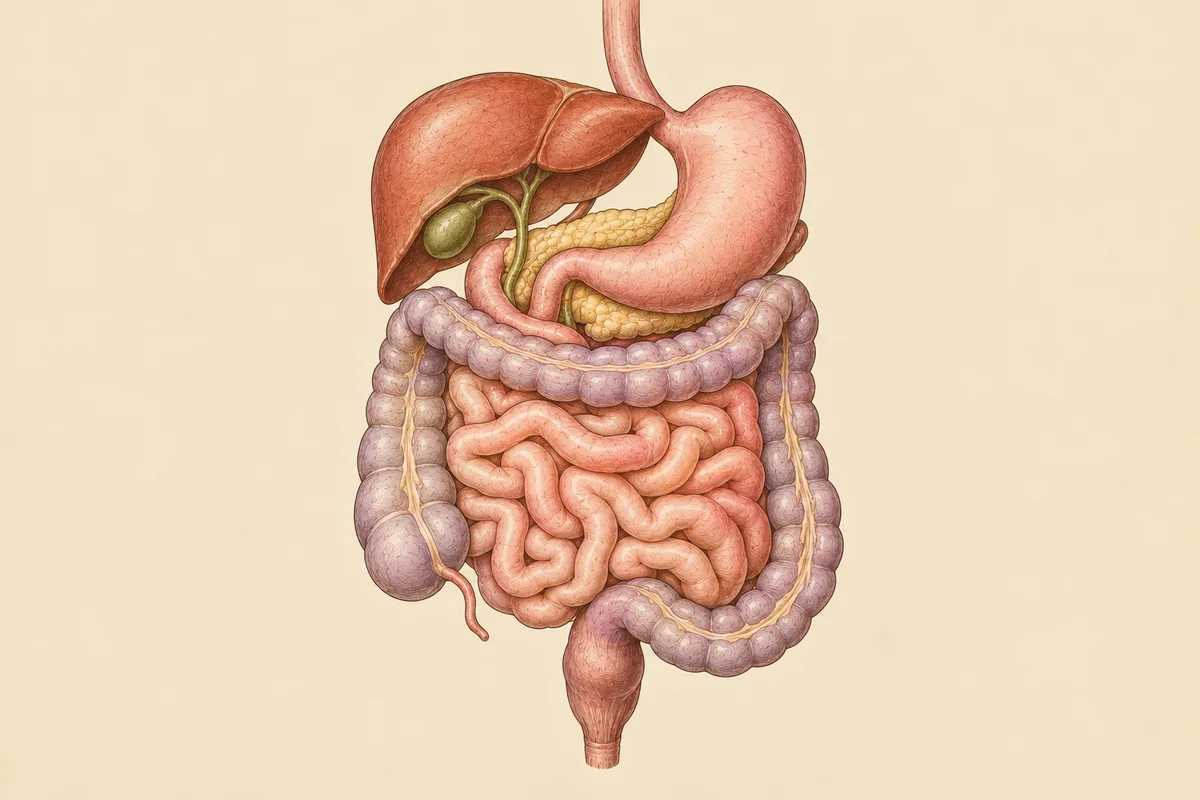 Digestion
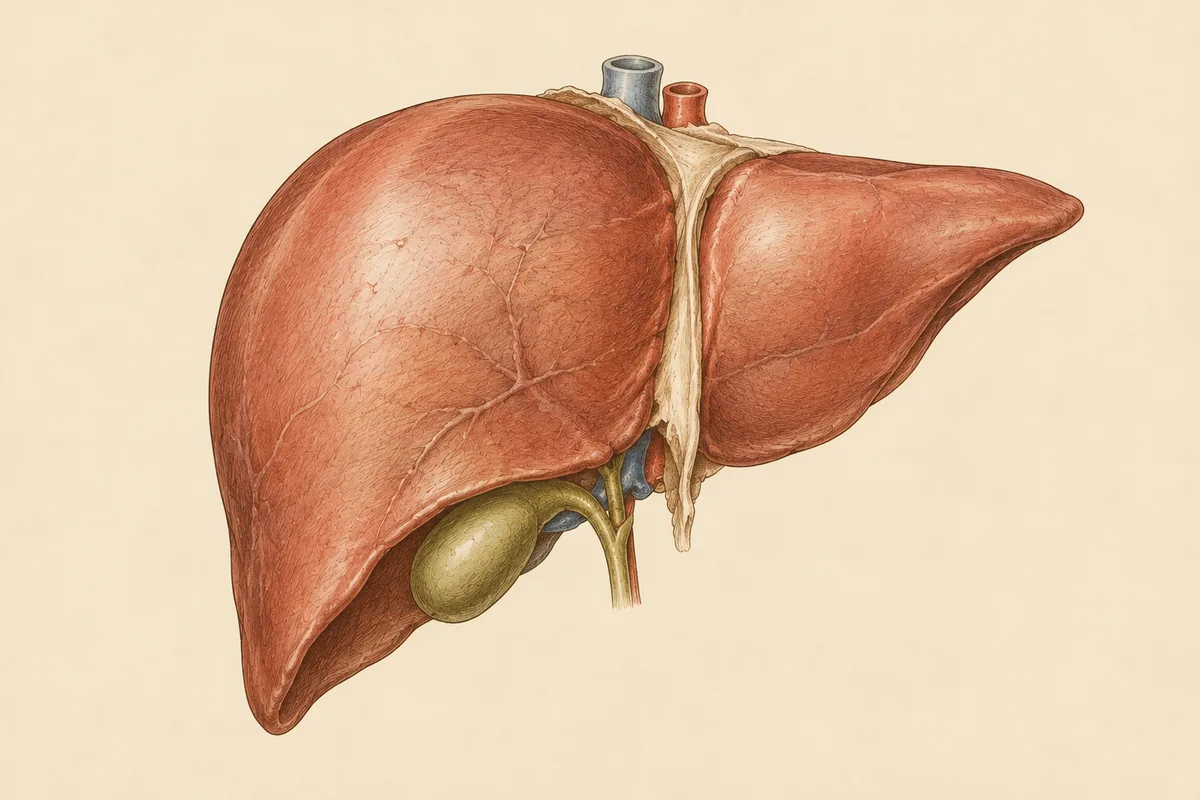 Liver
Liver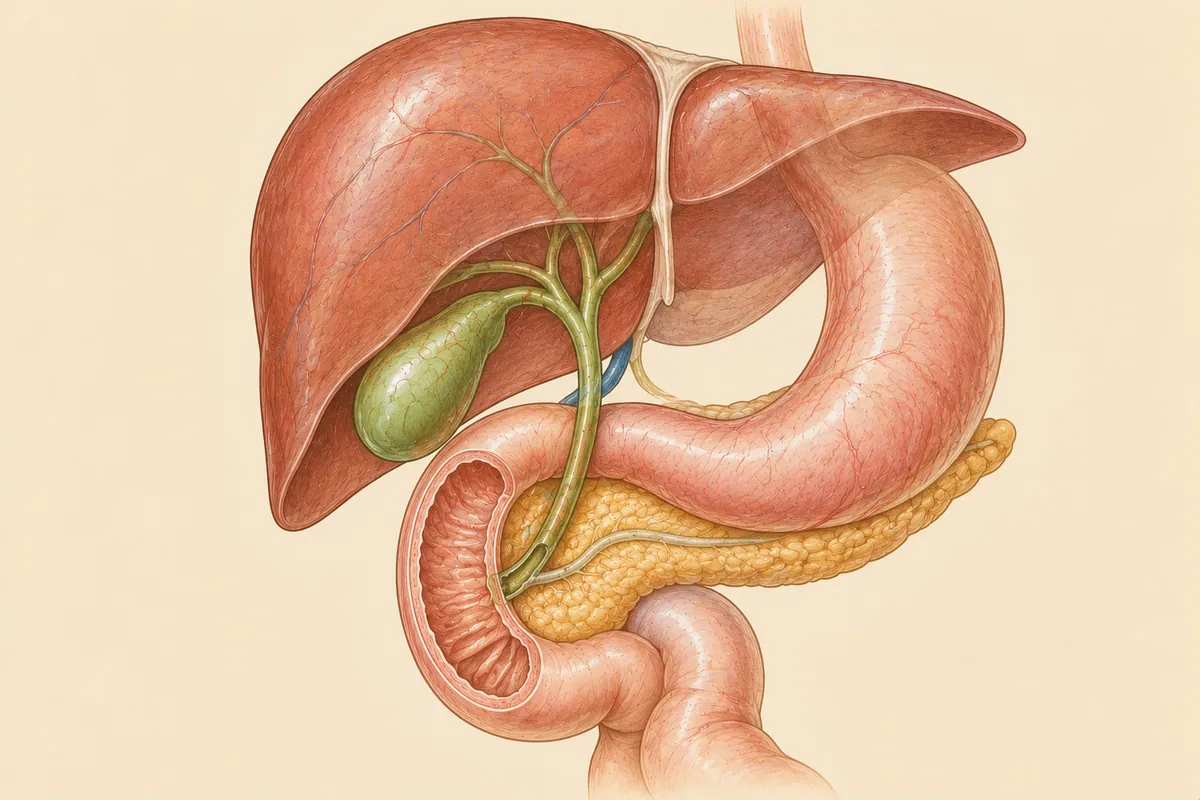 Gallbladder
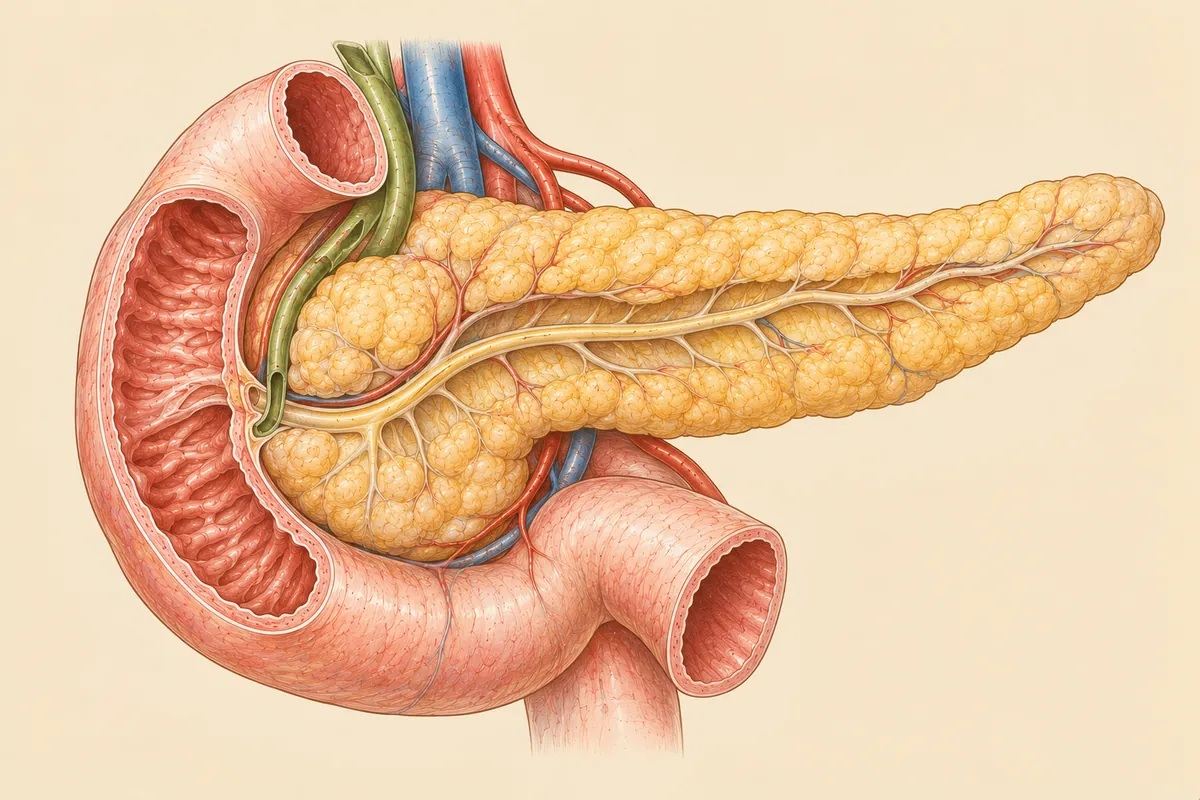 Pancreas
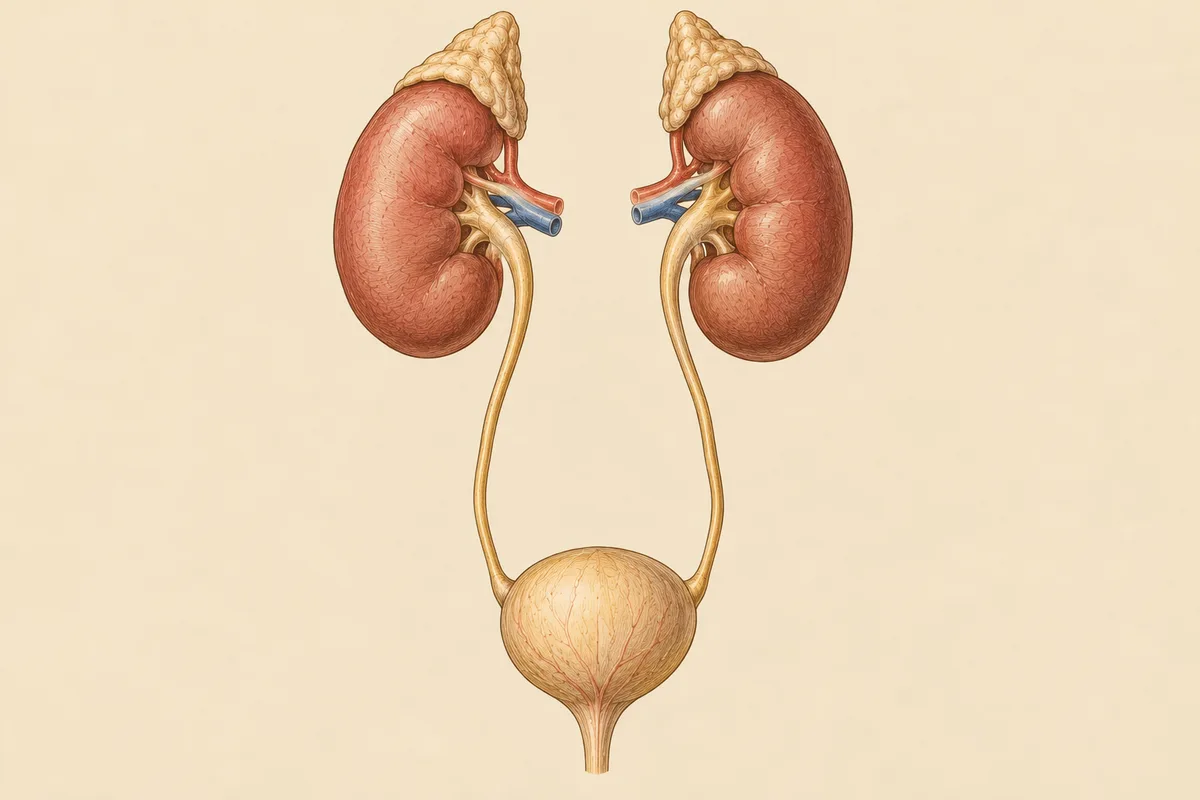 Kidneys
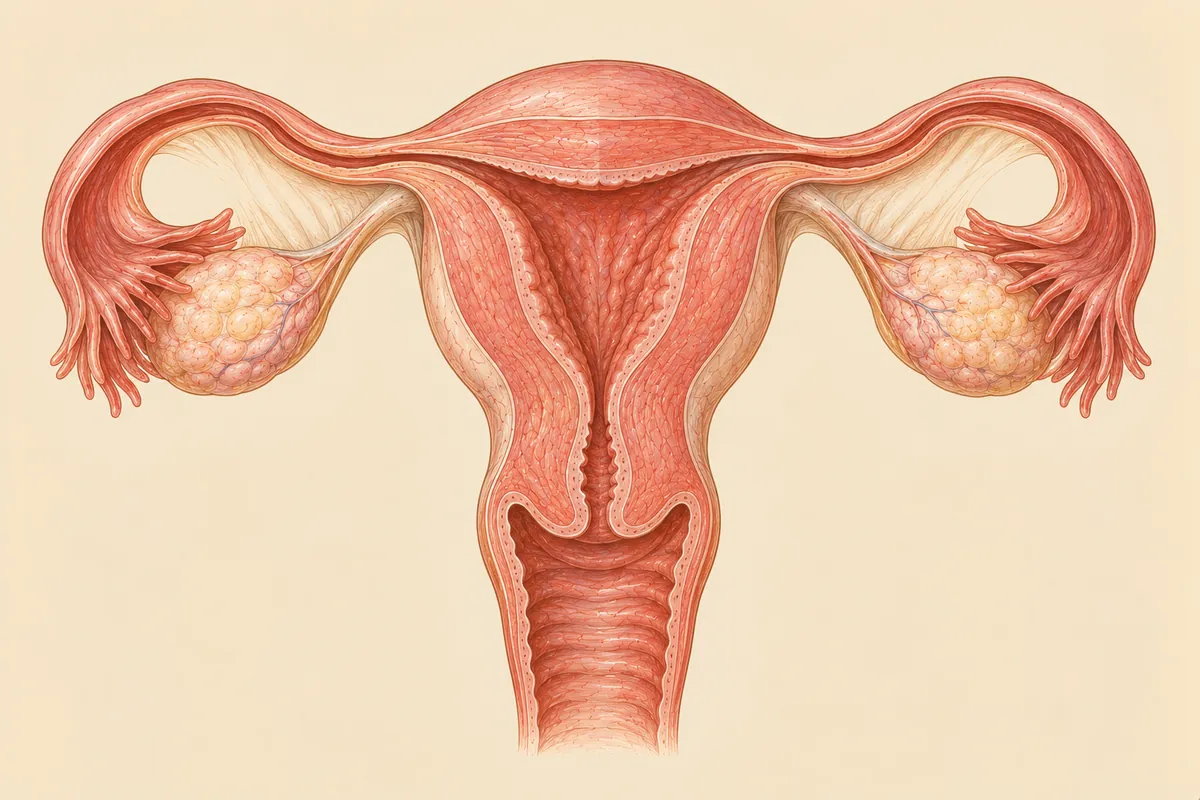 Reproductive system
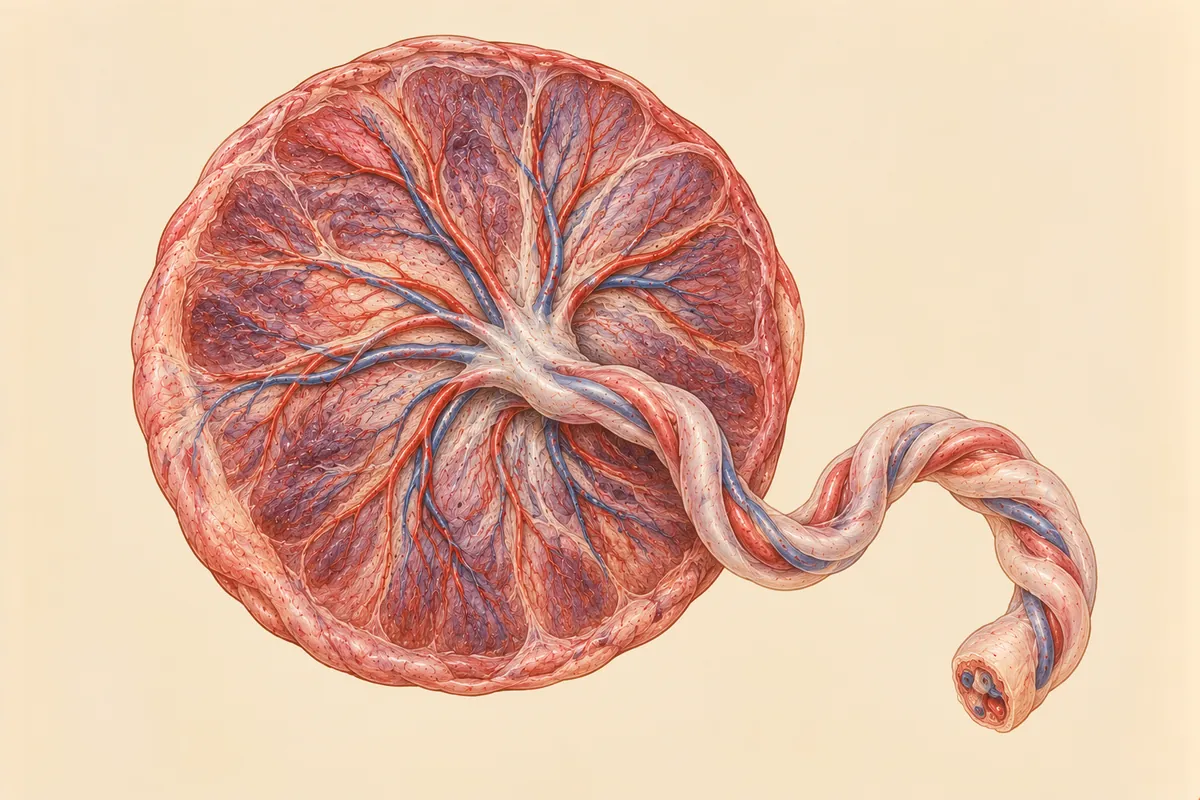 Pregnancy
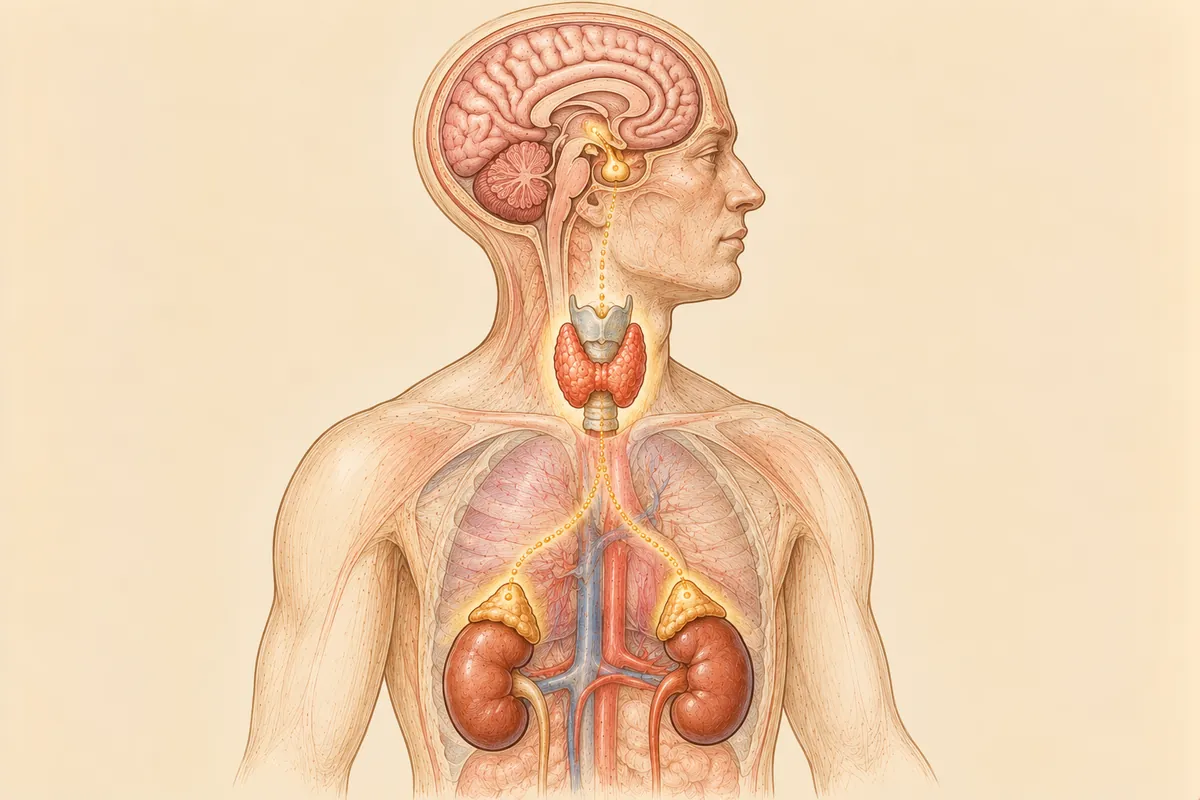 Glands and hormones
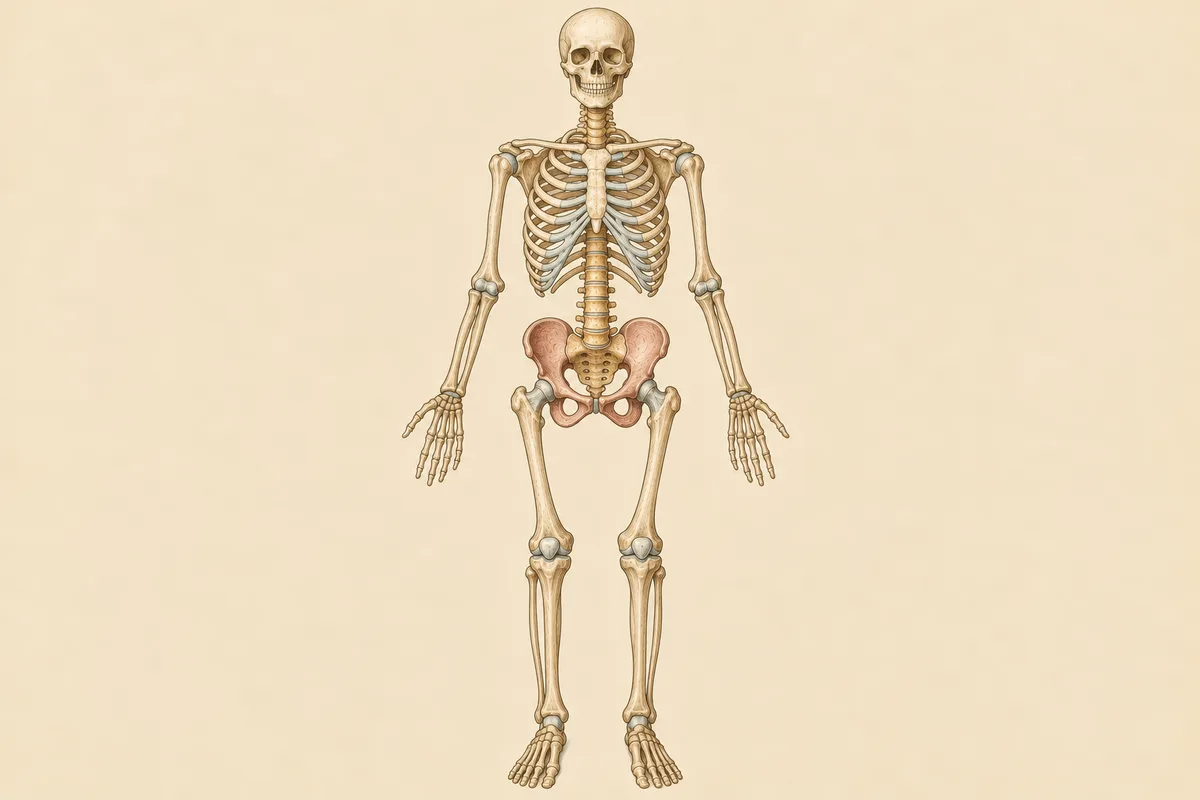 Skeleton
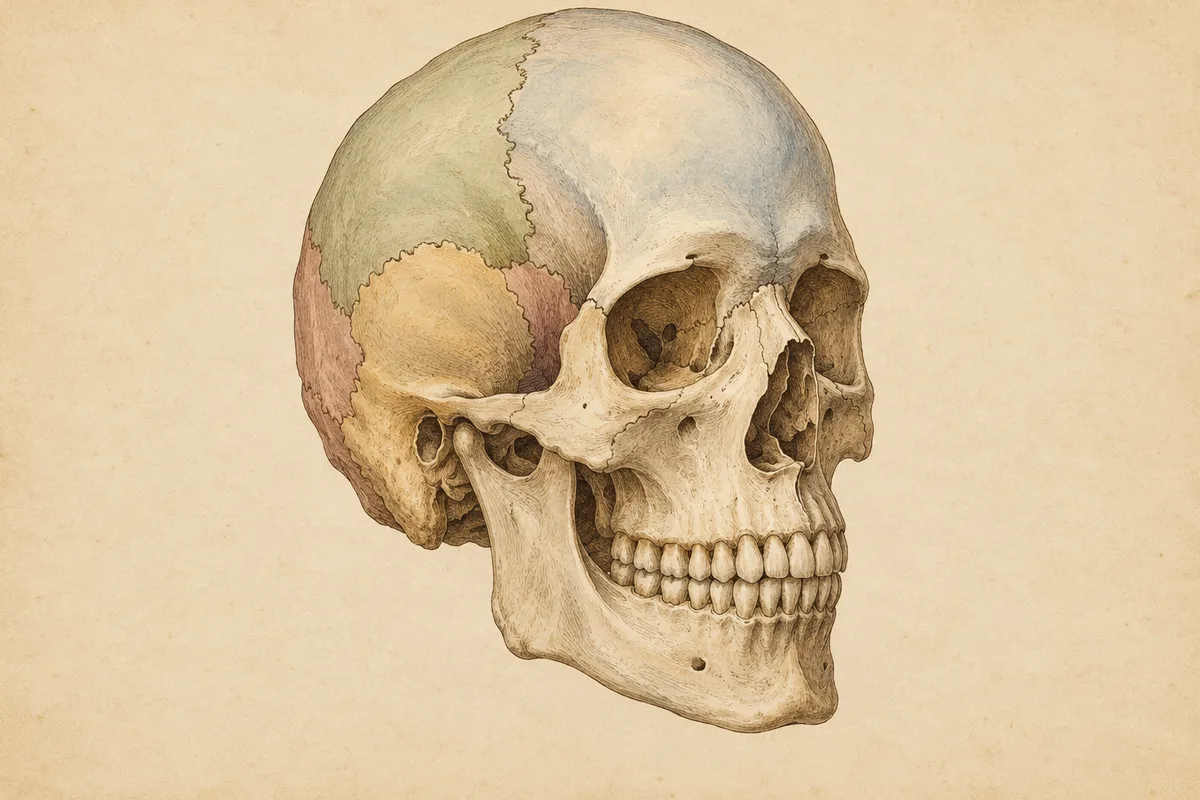 Skull
Skull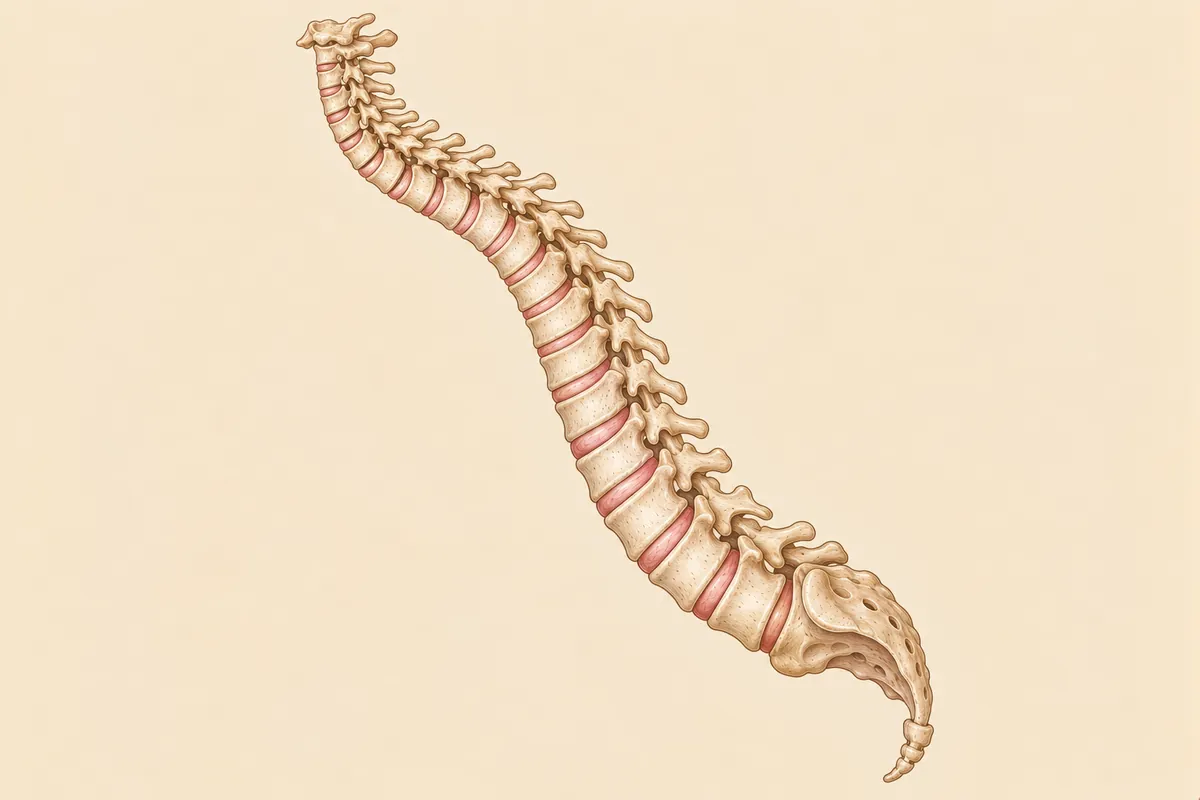 Spine
Spine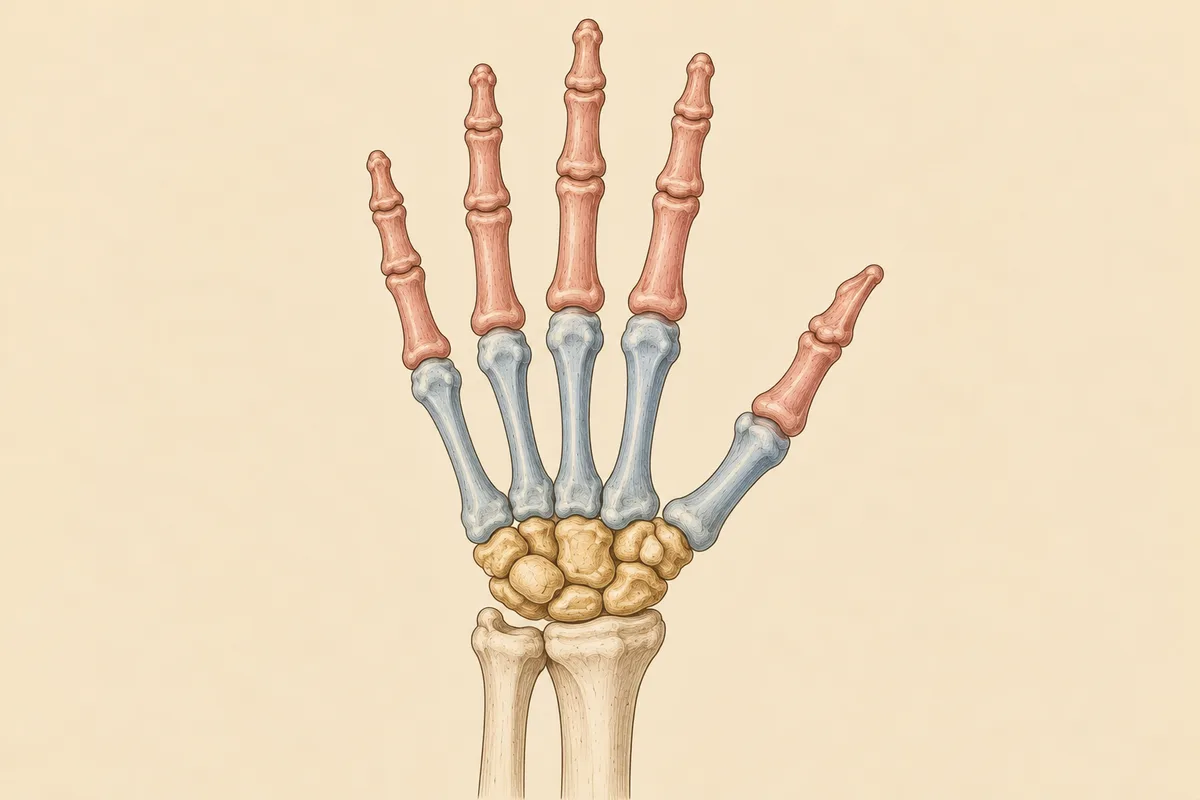 Hand
Hand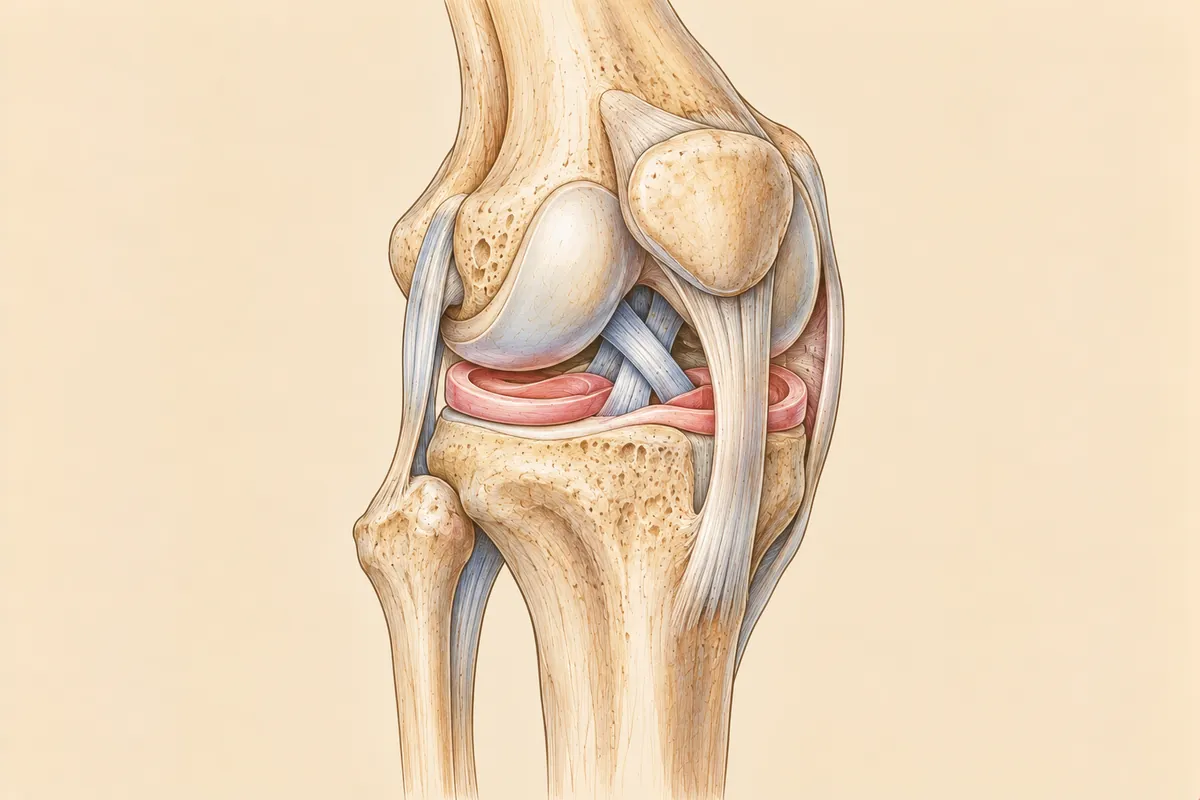 Knee
Knee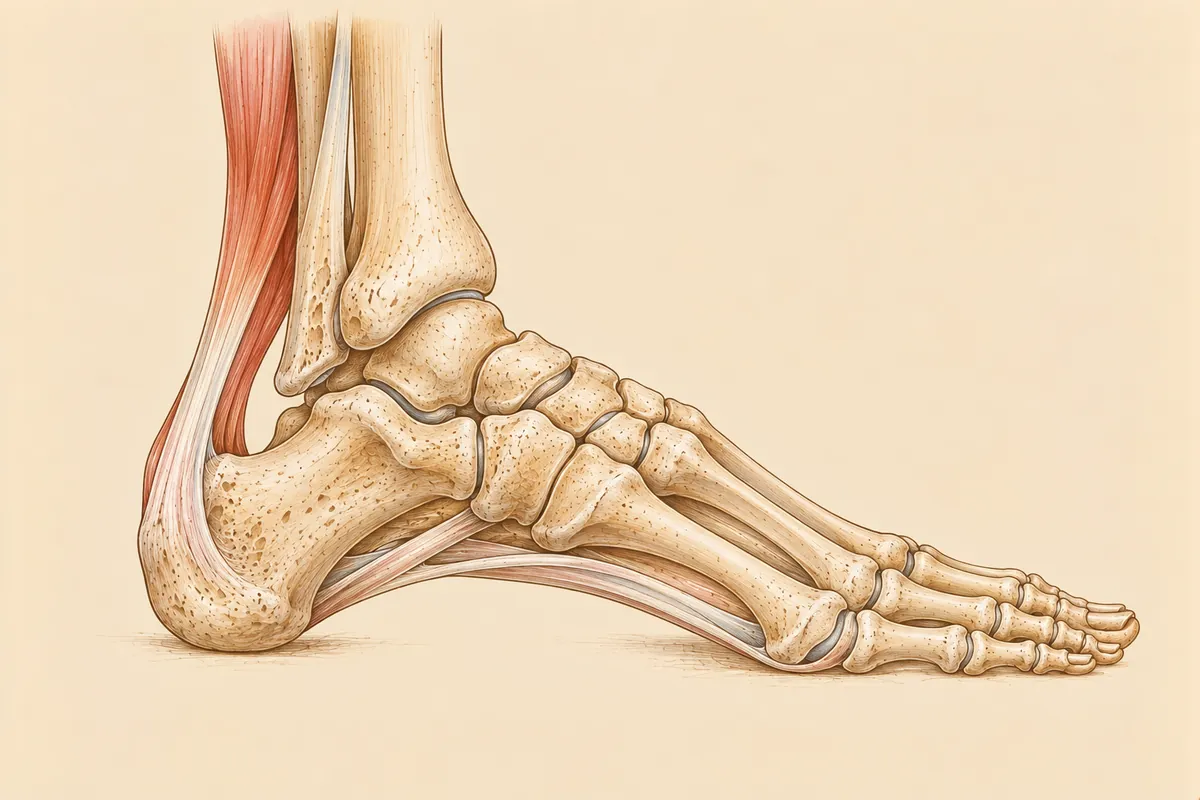 Foot
Foot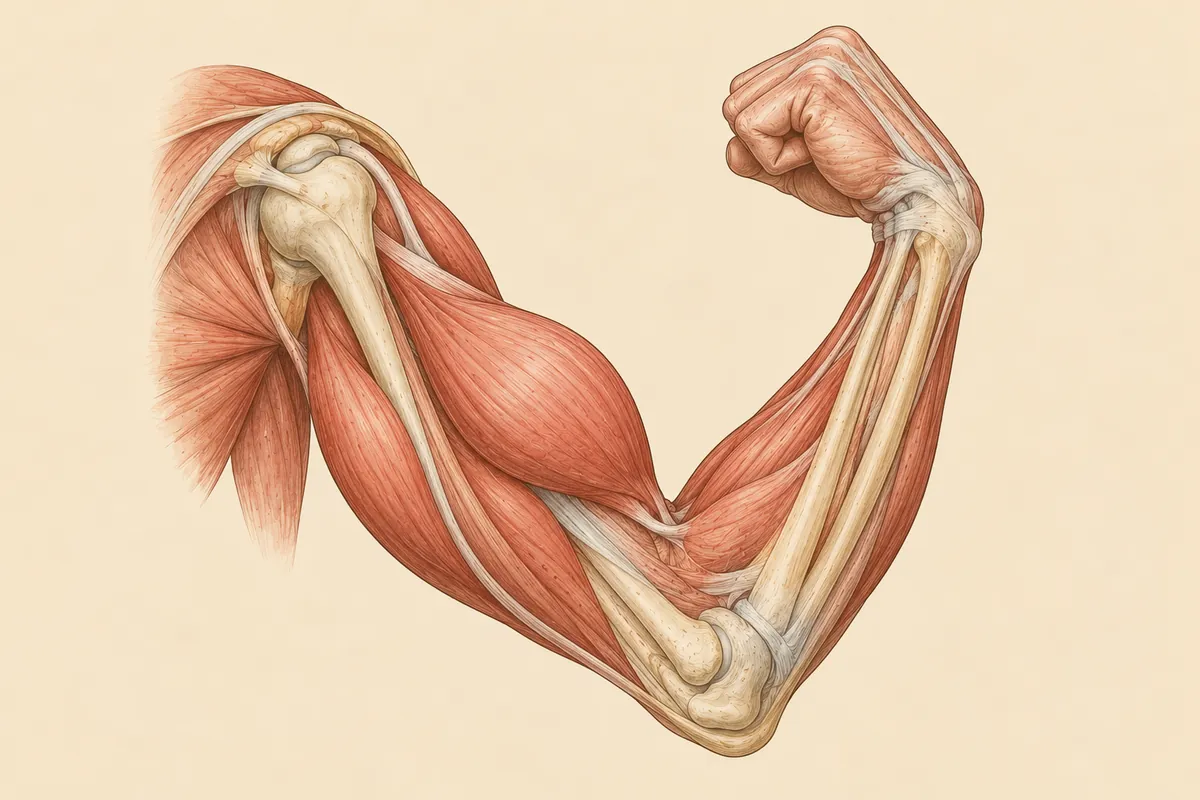 Muscles
How does the body fight germs?
The body has a defense army (just a comparison). First, skin and mucus keep germs out. If one gets through, white blood cells attack. Some keep a "photo" of the germ so next time the body defends itself faster. That is how vaccines work.
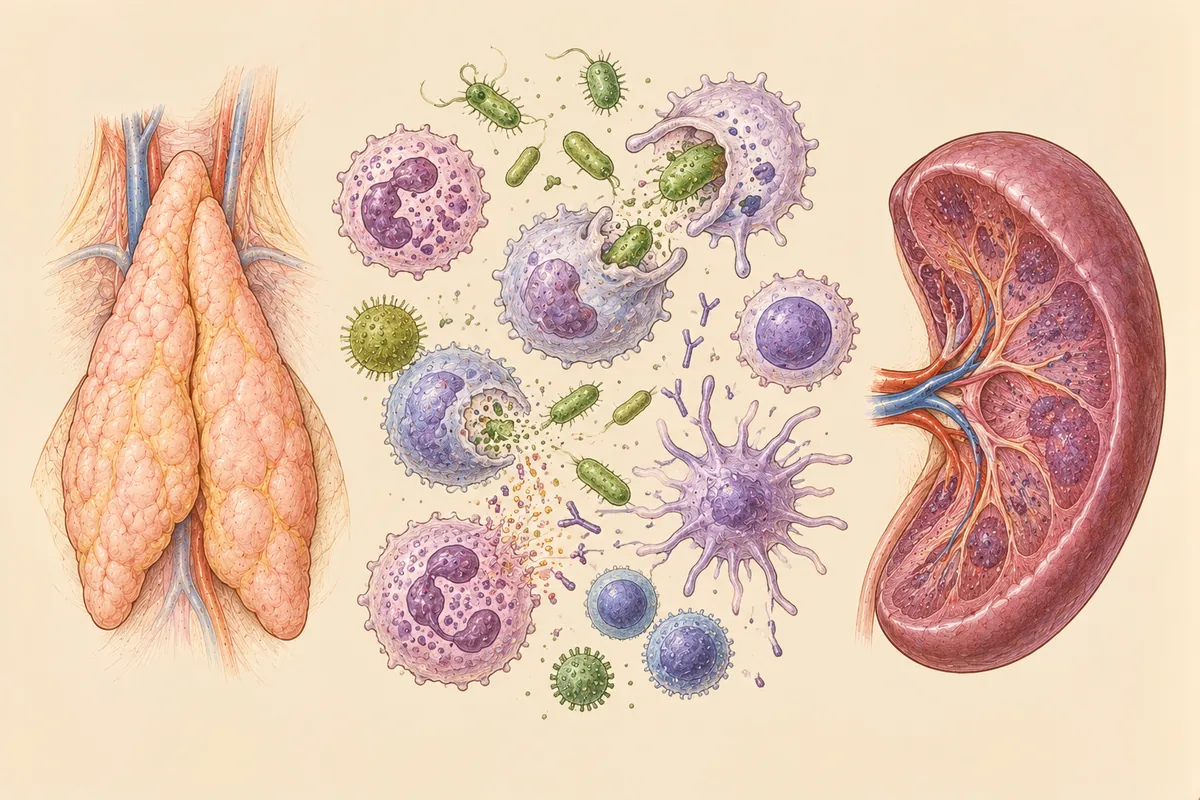
Drag to turn. Pinch or use the mouse wheel to zoom. Tap a part to see what it does.
Questions people ask
How do vaccines work?
A vaccine shows the body part of a germ, or a weakened germ, without causing the disease. Defense cells learn to recognize it and keep a memory. If the real germ shows up, the body reacts quickly.
Why do we get a fever?
Fever is a defense reaction: the brain raises body temperature, which hinders some germs and speeds up defenses. In children, a high or long-lasting fever, or one with other warning signs, should be checked by a doctor.
What are swollen glands?
They are swollen lymph nodes, small filters spread around the body in the neck, armpits and groin. They swell when fighting a nearby infection. If they stay large for weeks, see a doctor. They are not in this 3D model.
What is appendicitis?
Inflammation of the appendix. The pain usually starts around the belly button and then moves to the lower right of the belly, getting worse over time, sometimes with fever and nausea. It is an emergency: get medical care.
Sources
This text was written using these references:
- Lymphatic System · National Cancer Institute (SEER Training)
This content has not been medically reviewed.