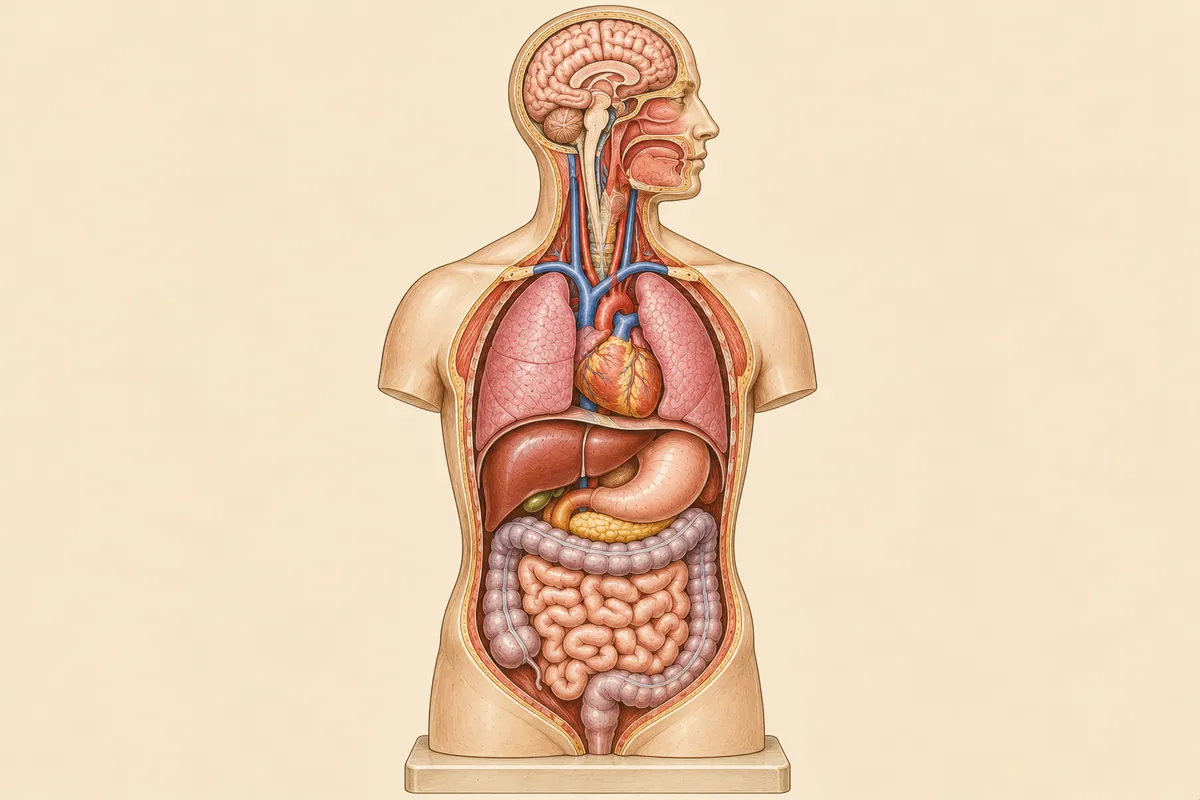
 The whole body
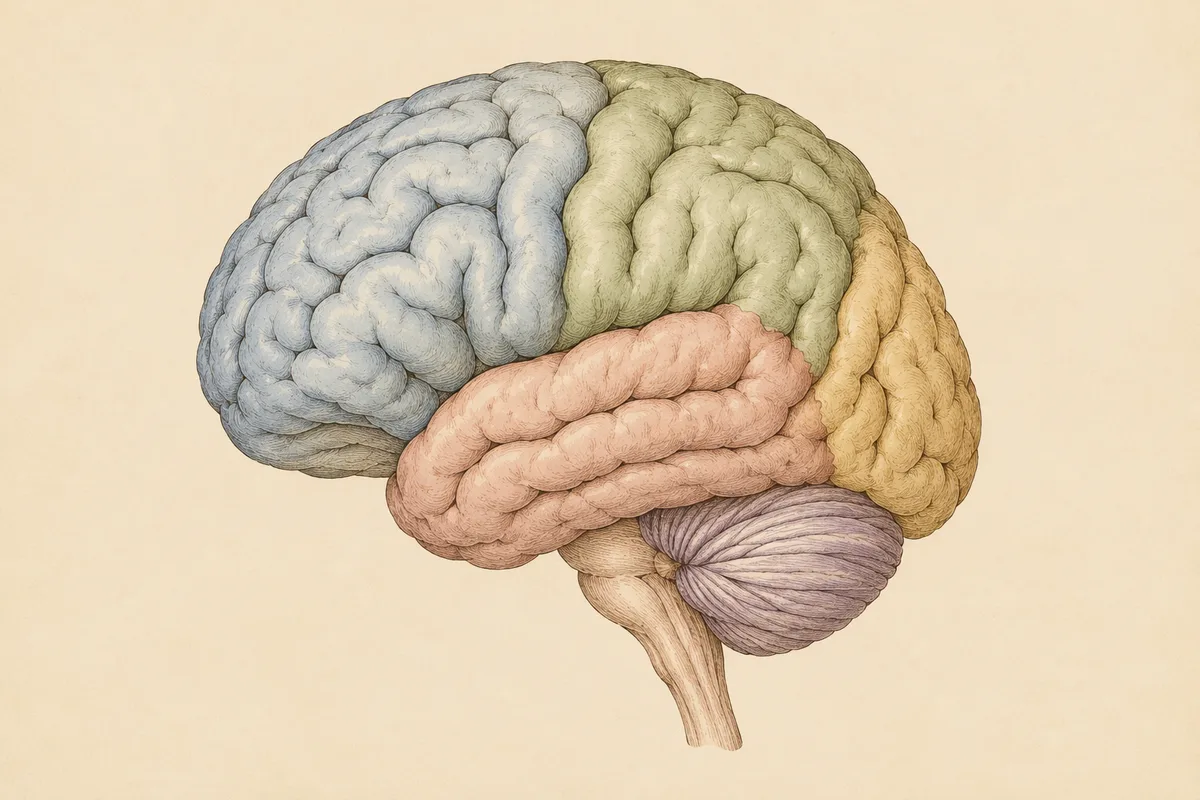 Brain
Brain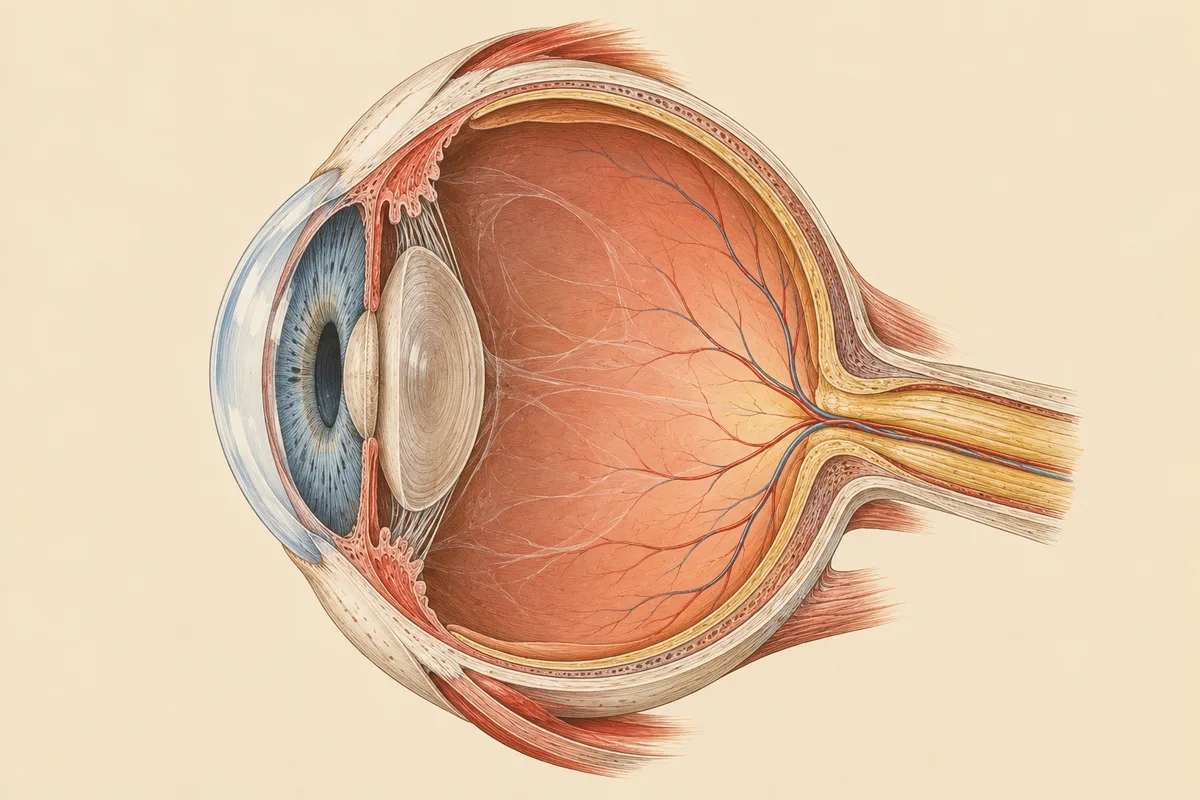 Eye
Eye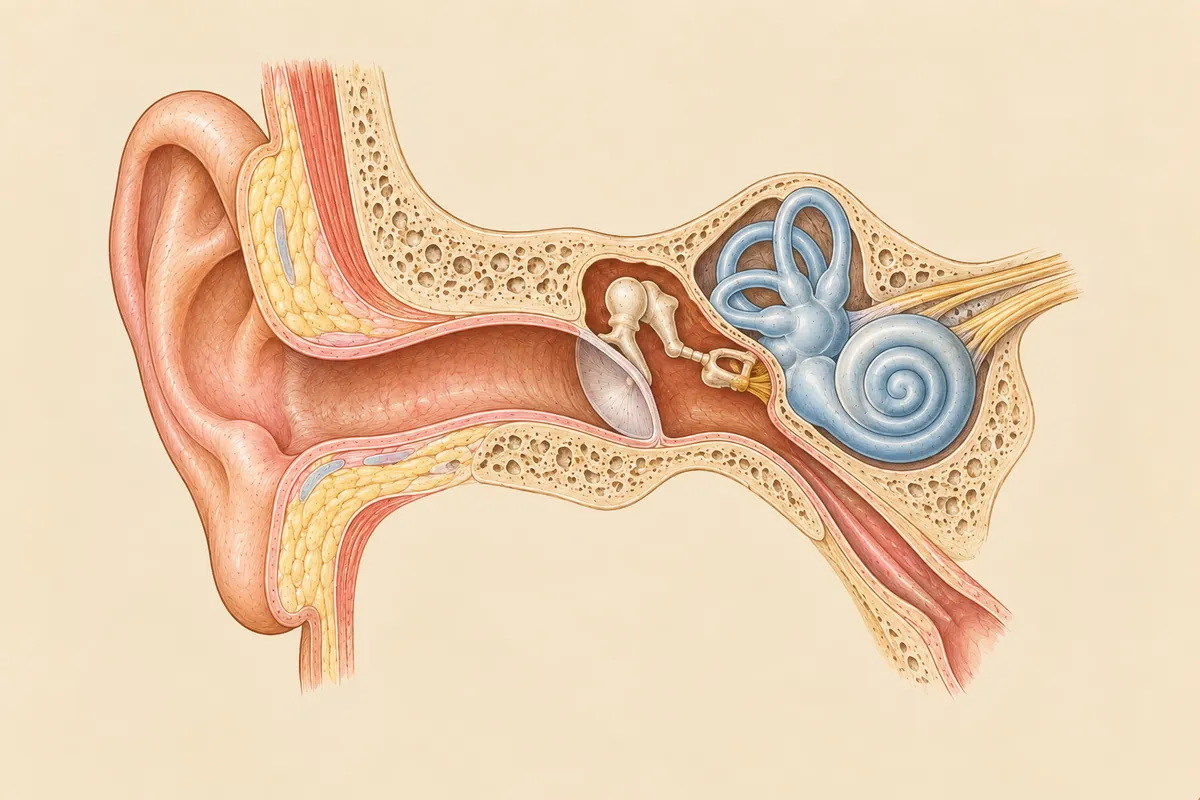 Ear
Ear Nose
Nose Mouth and teeth
 Skin and touch
 Heart
Heart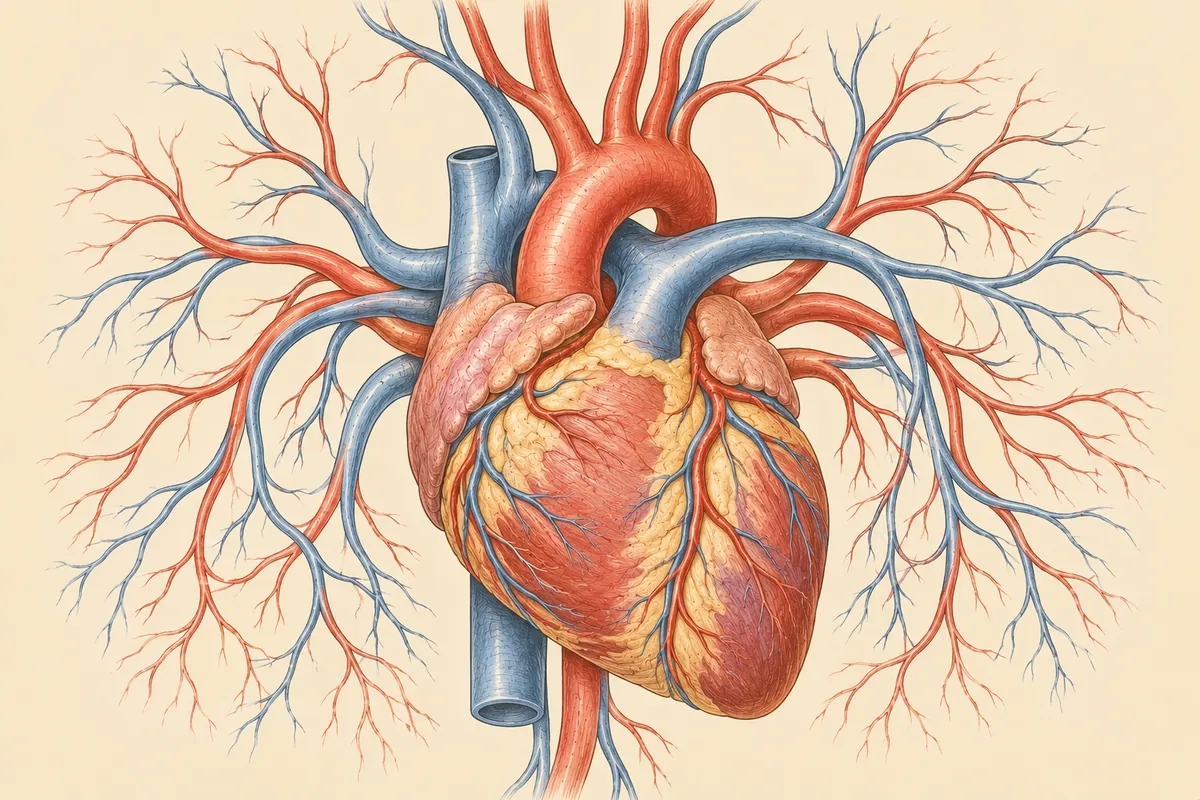 Blood and circulation
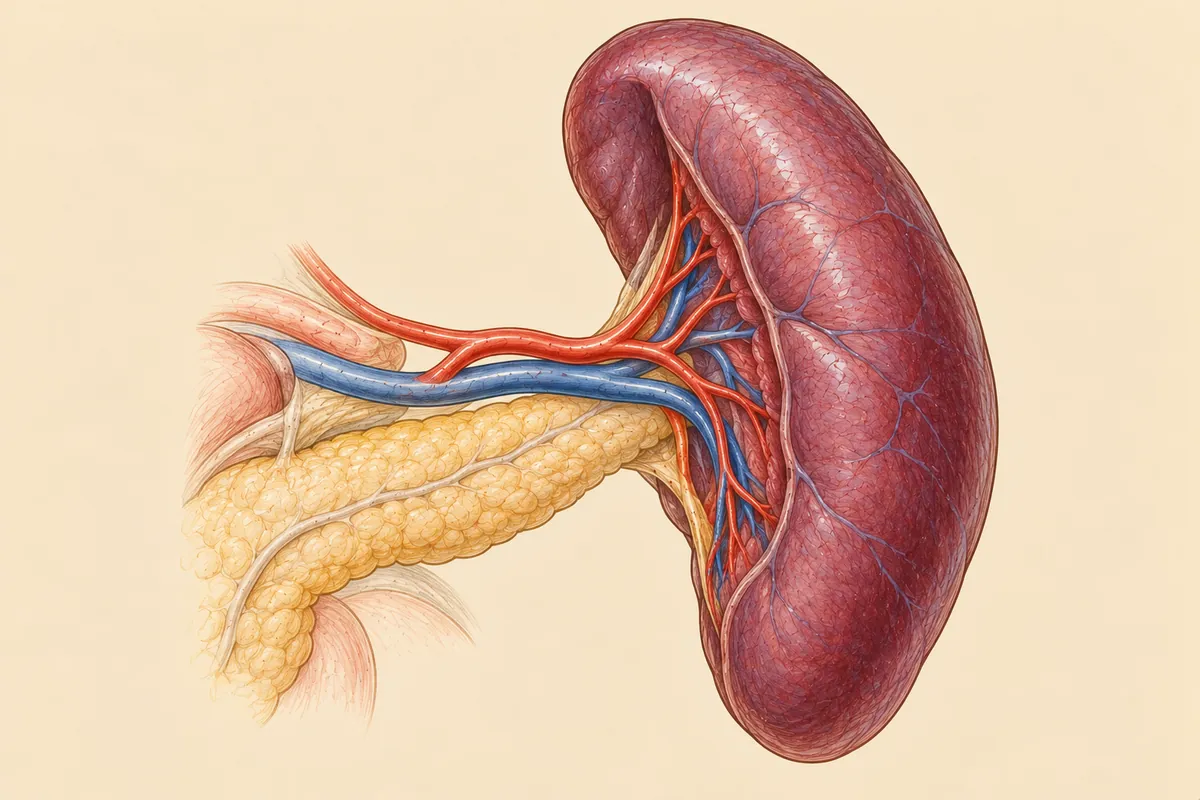 Spleen
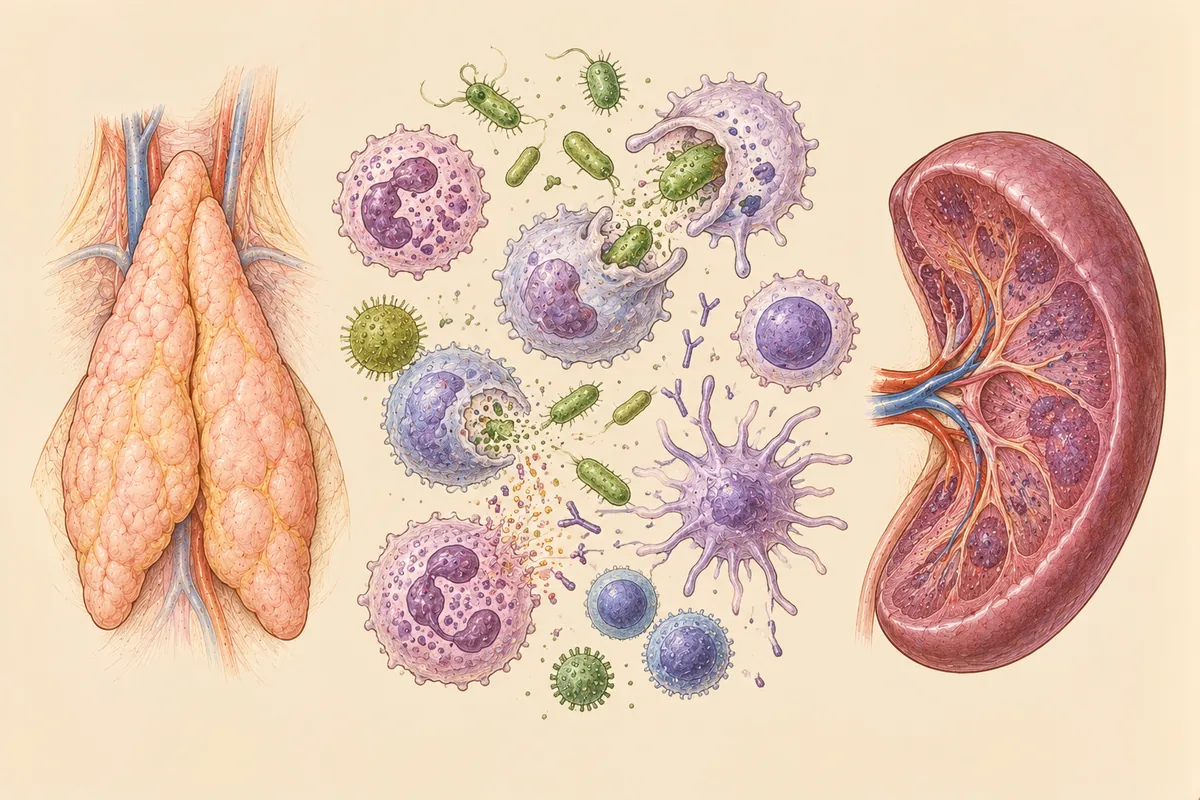 Body defenses
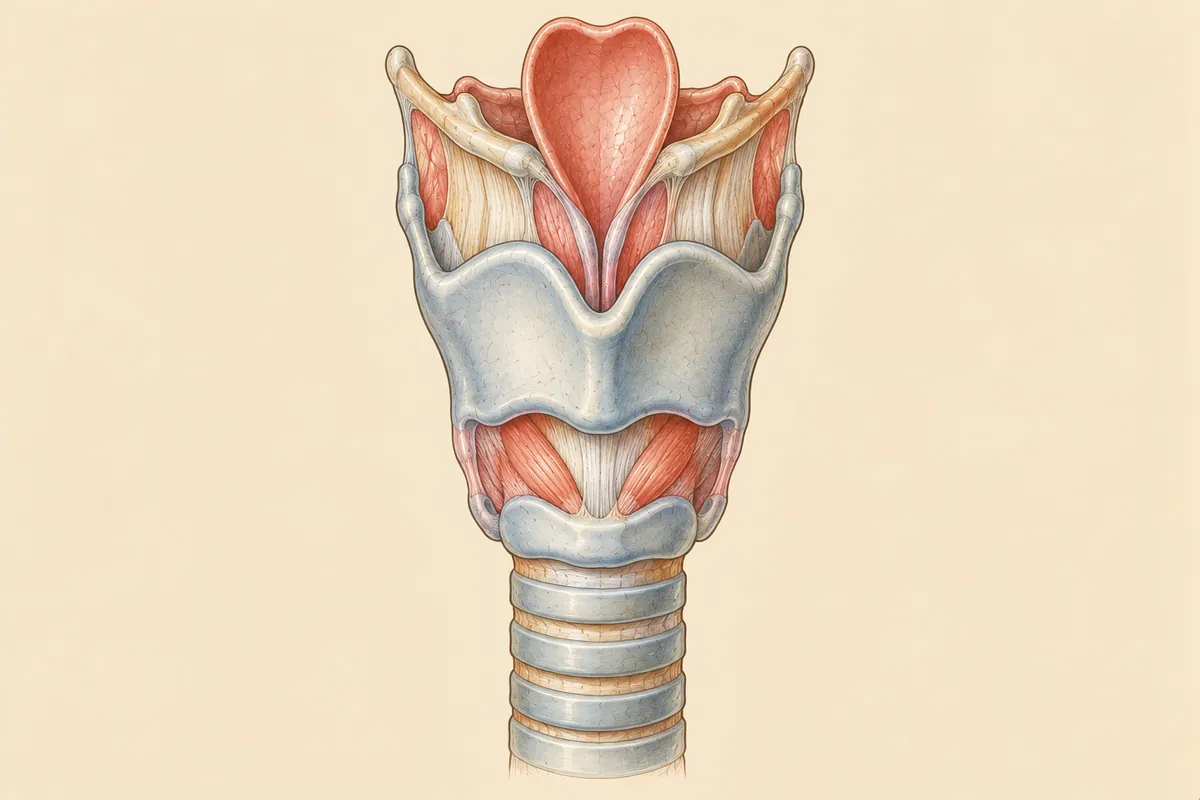 Throat and voice
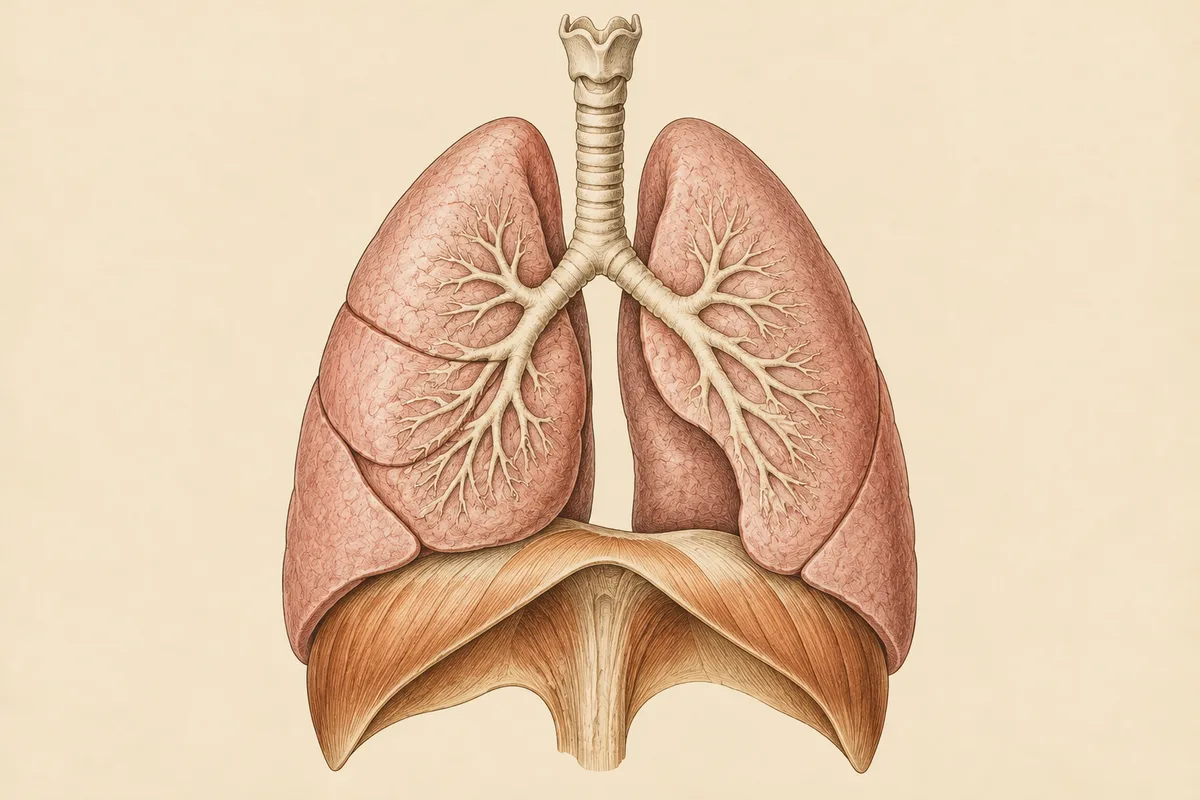 Lungs
Lungs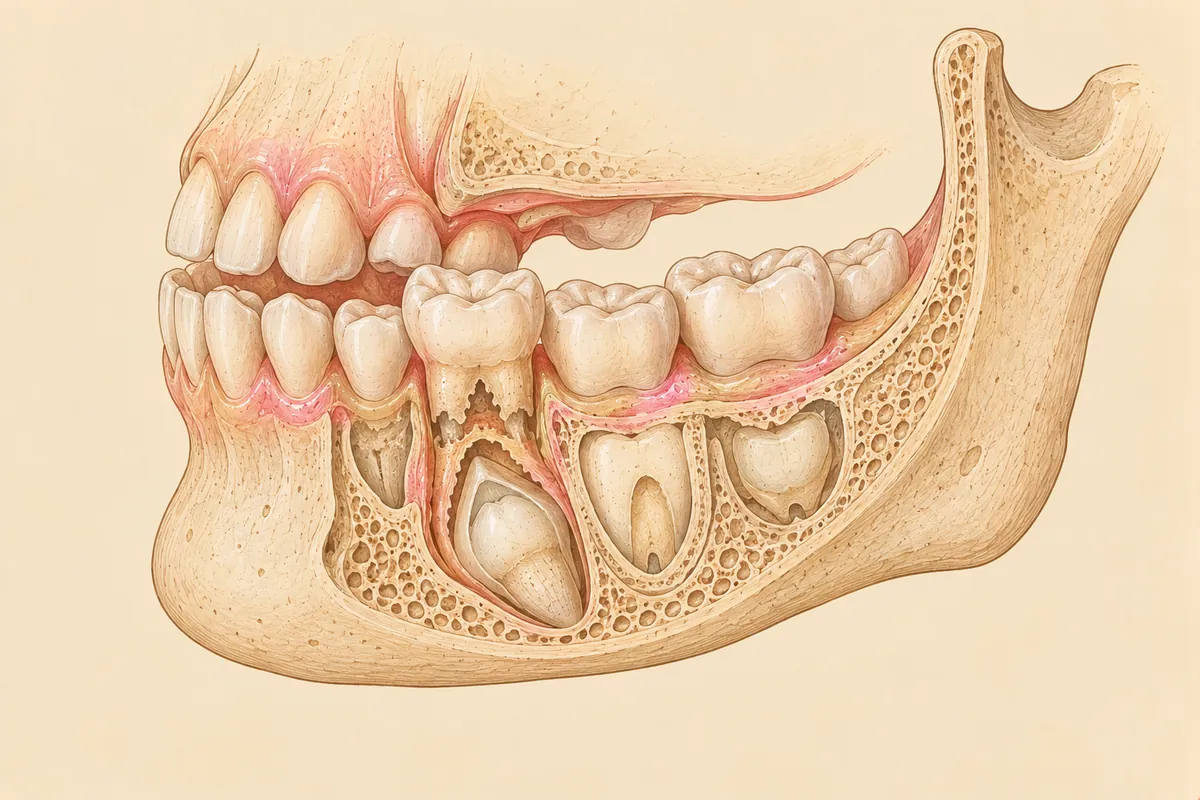 Baby teeth
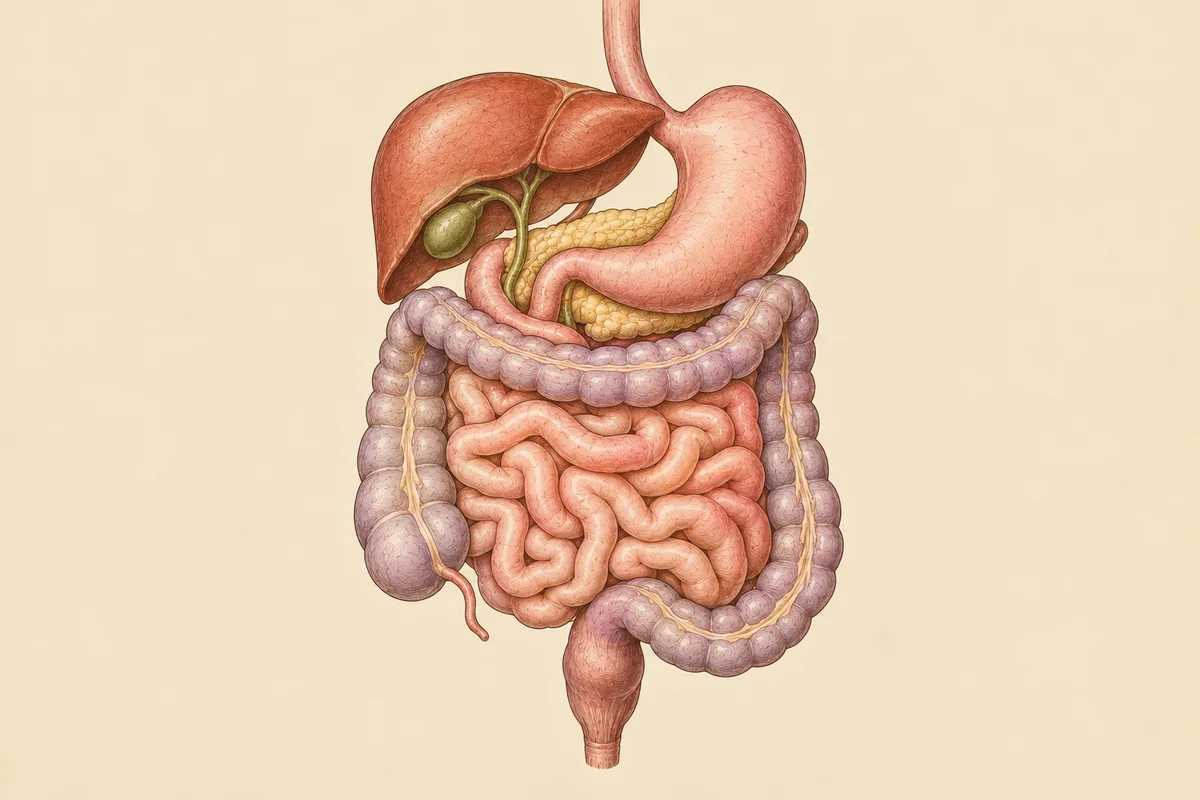 Digestion
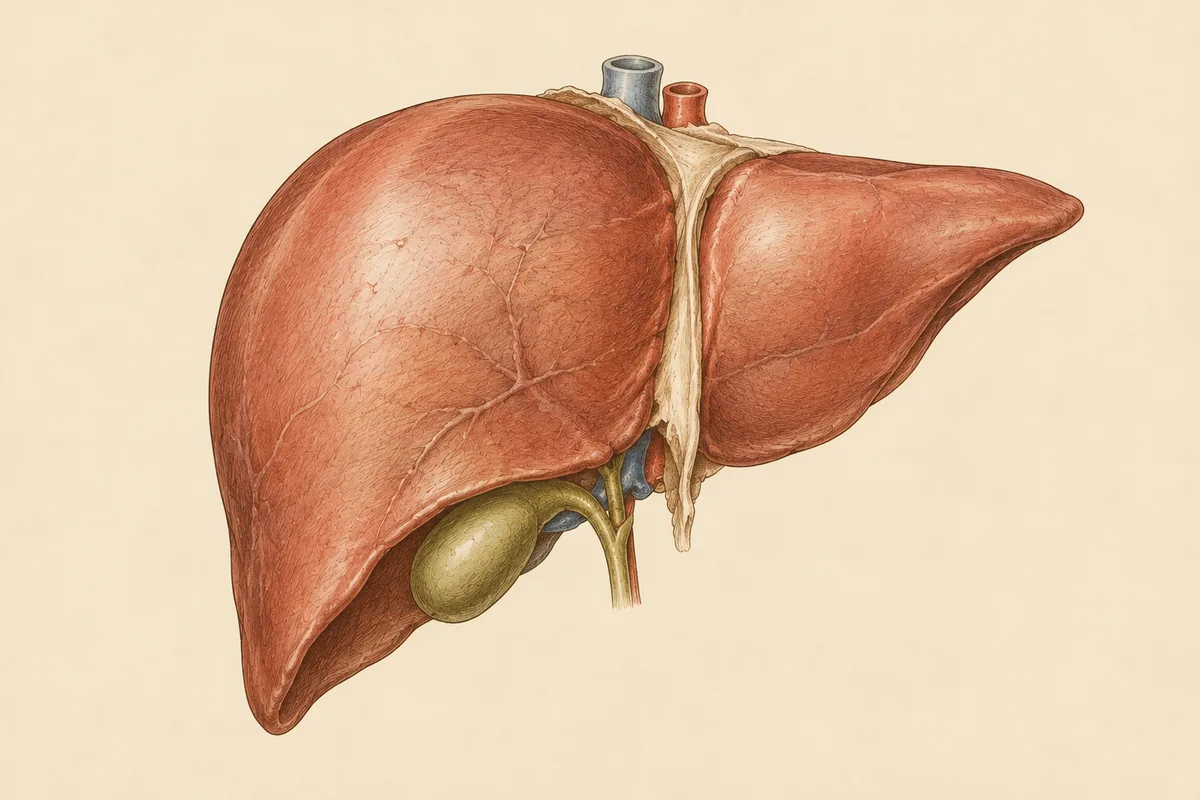 Liver
Liver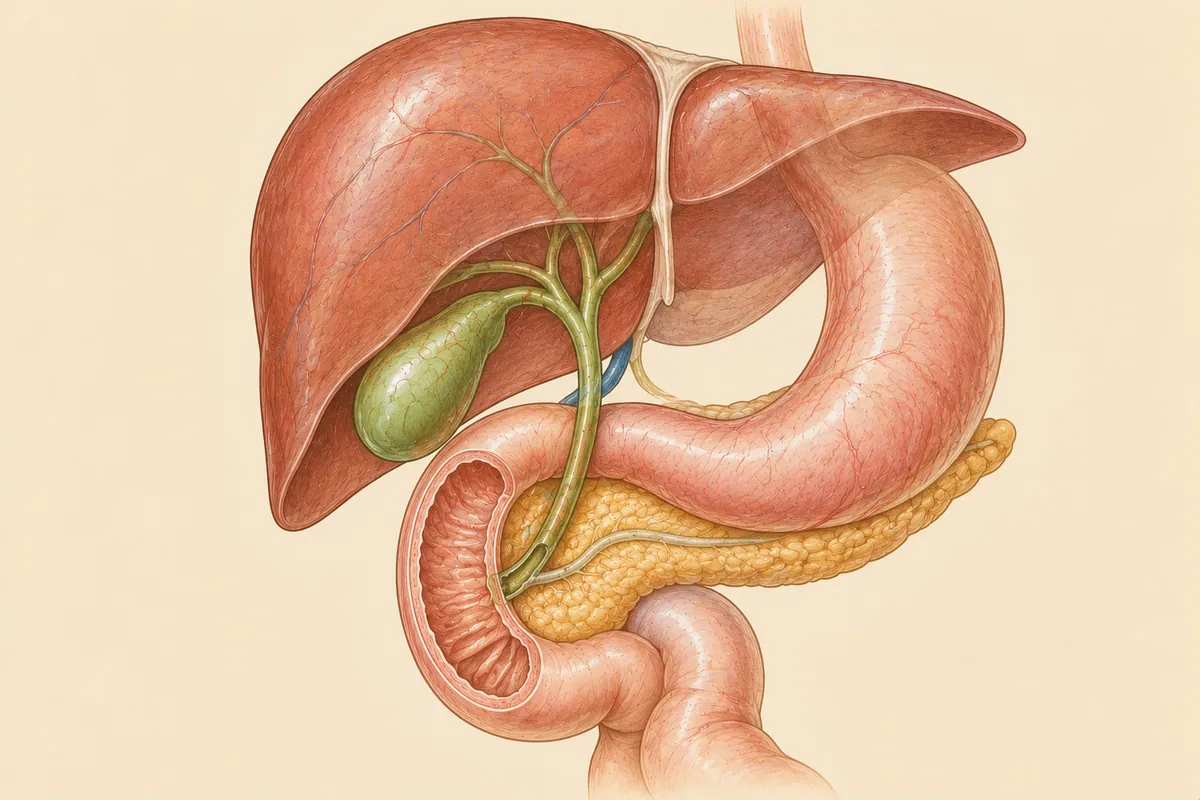 Gallbladder
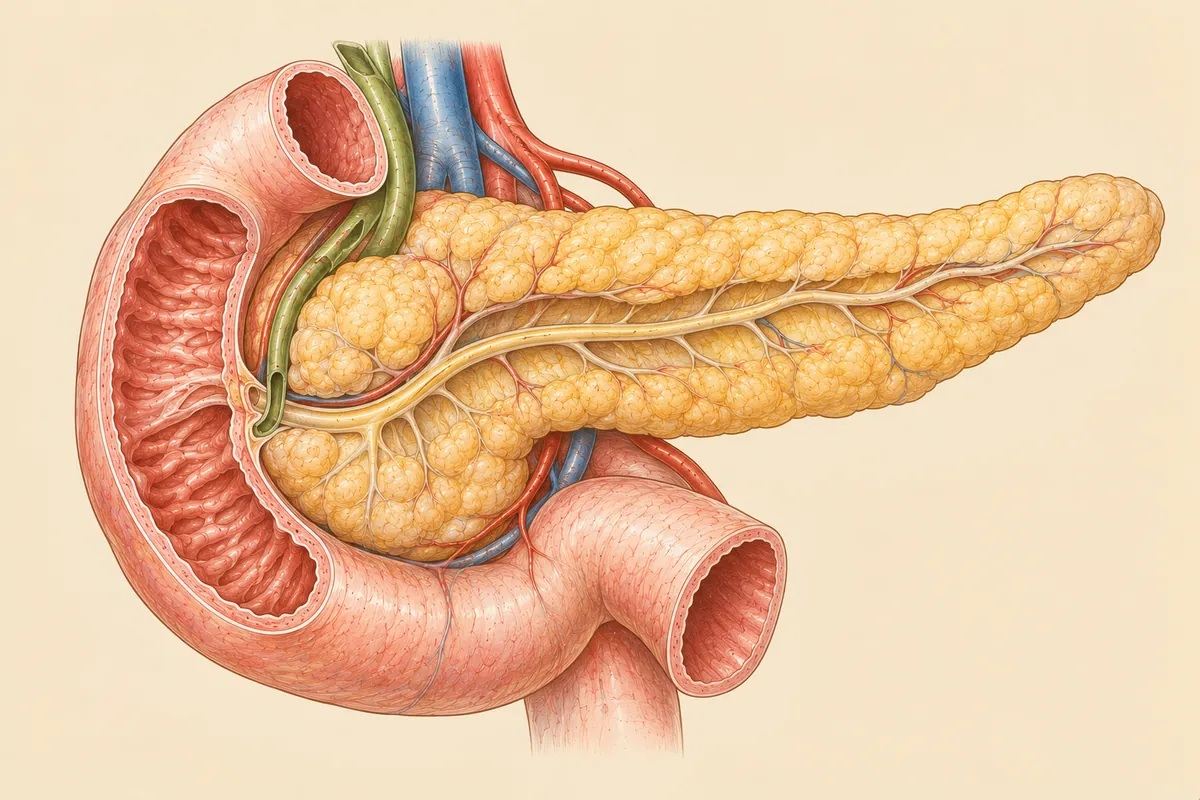 Pancreas
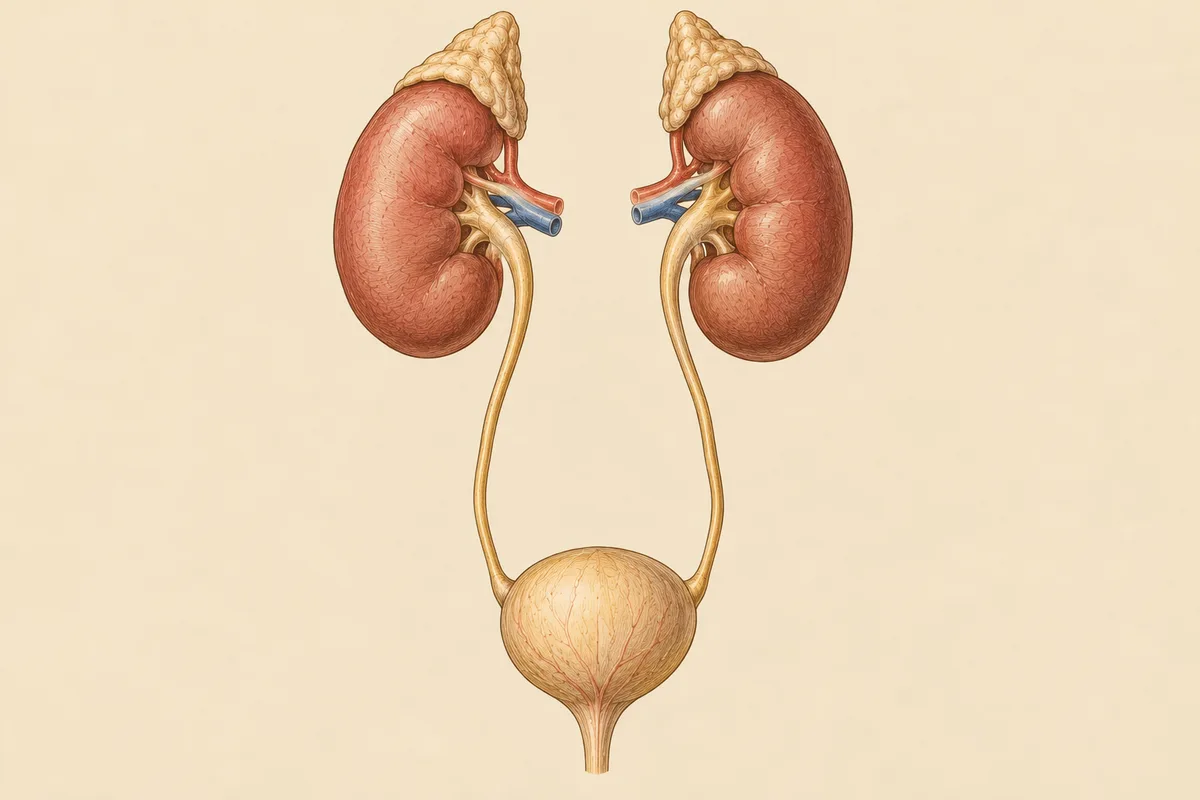 Kidneys
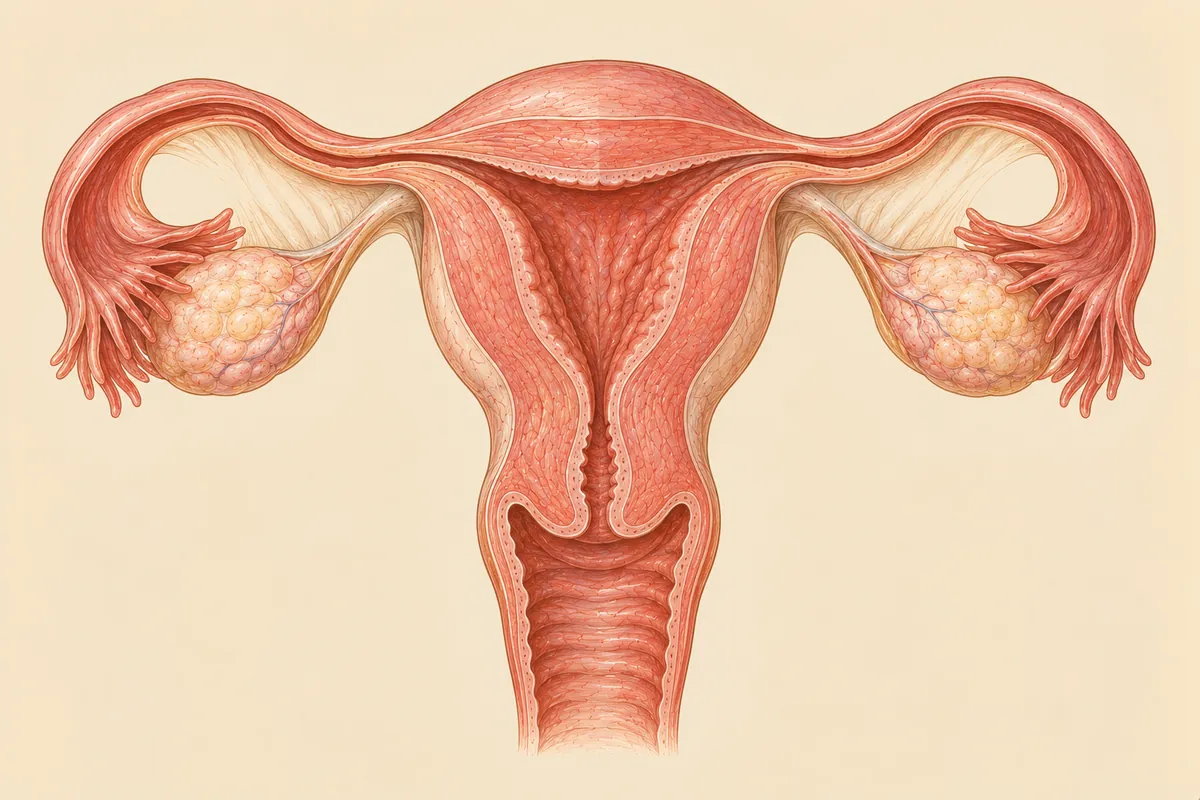 Reproductive system
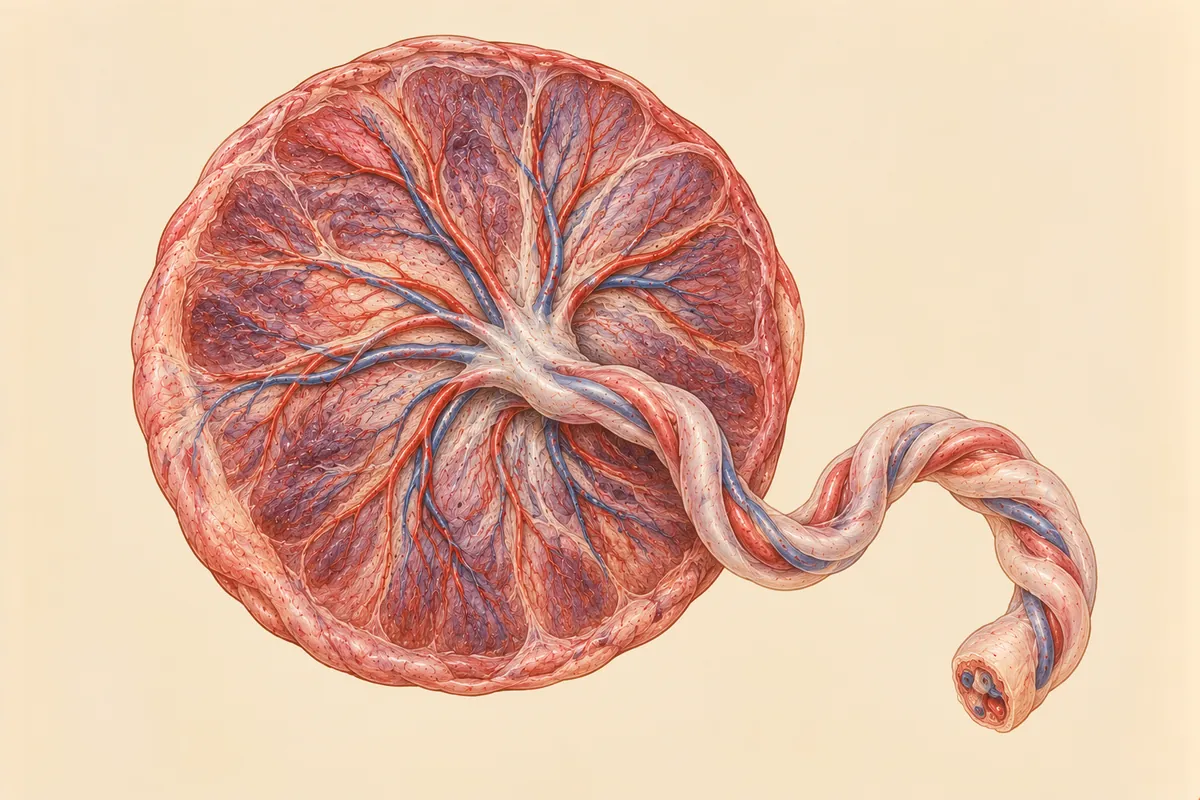 Pregnancy
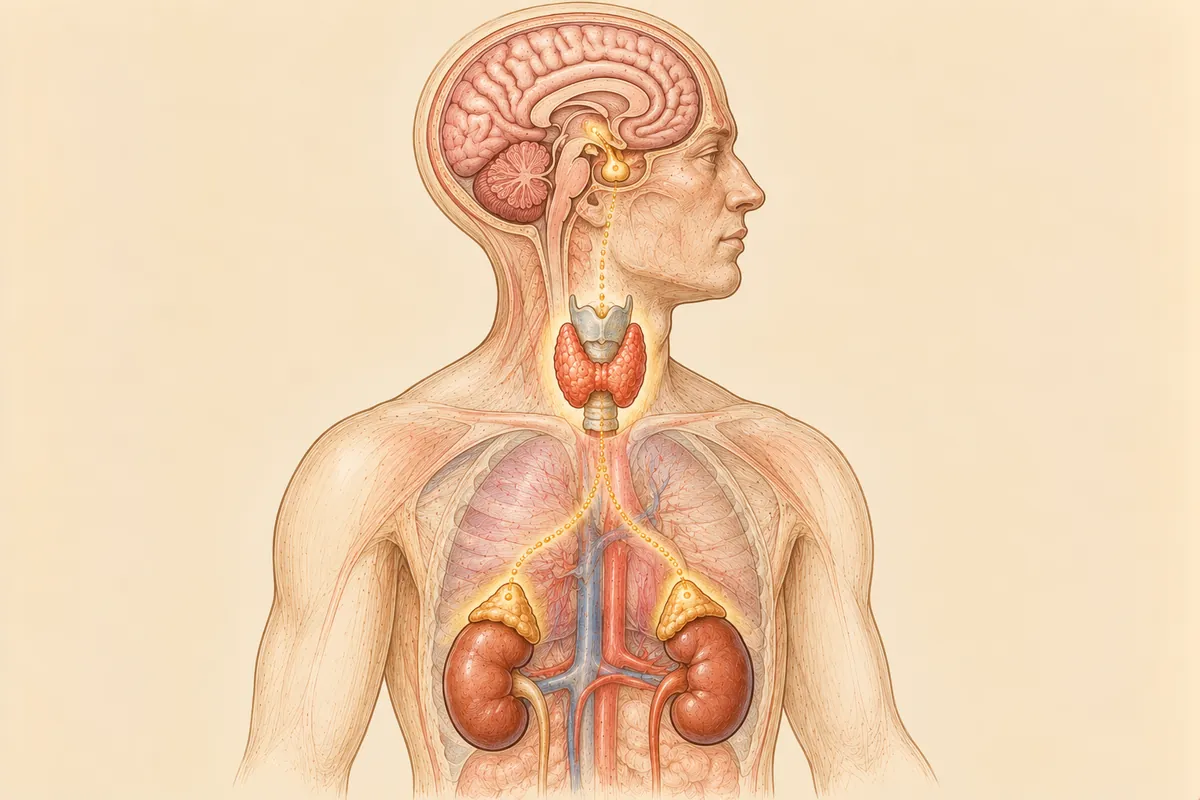 Glands and hormones
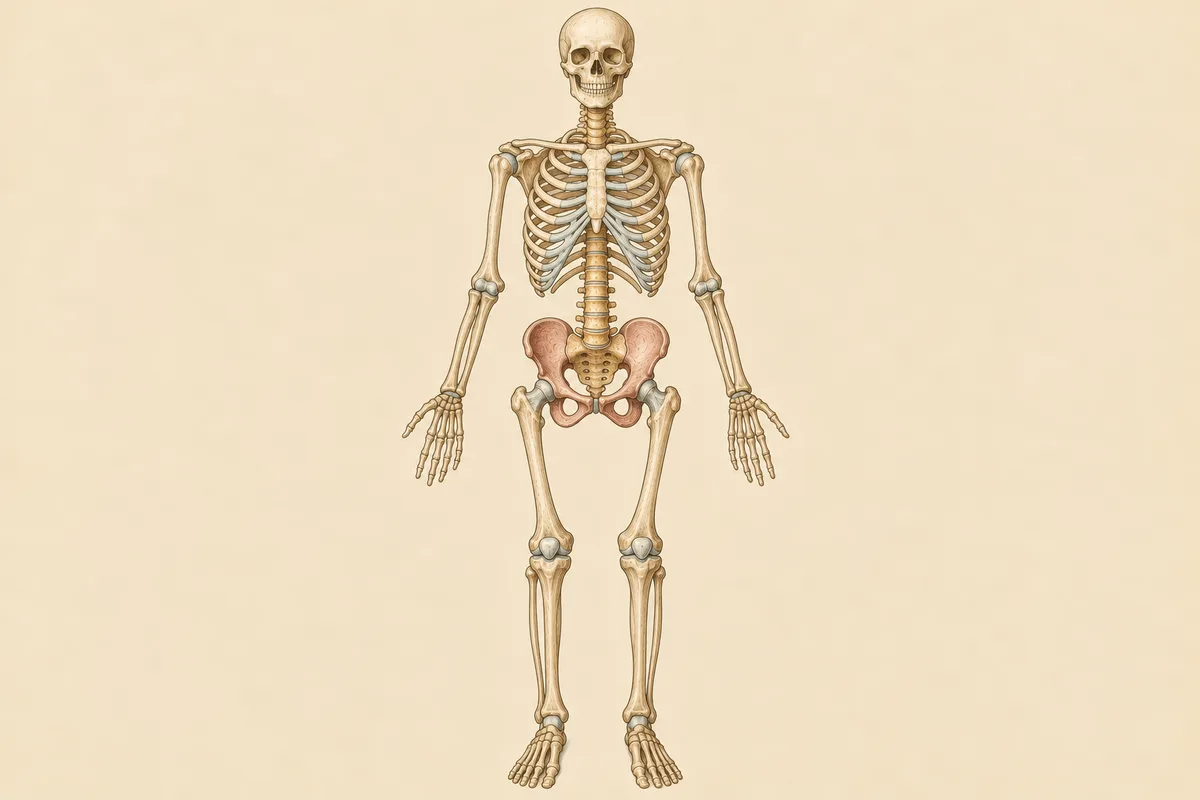 Skeleton
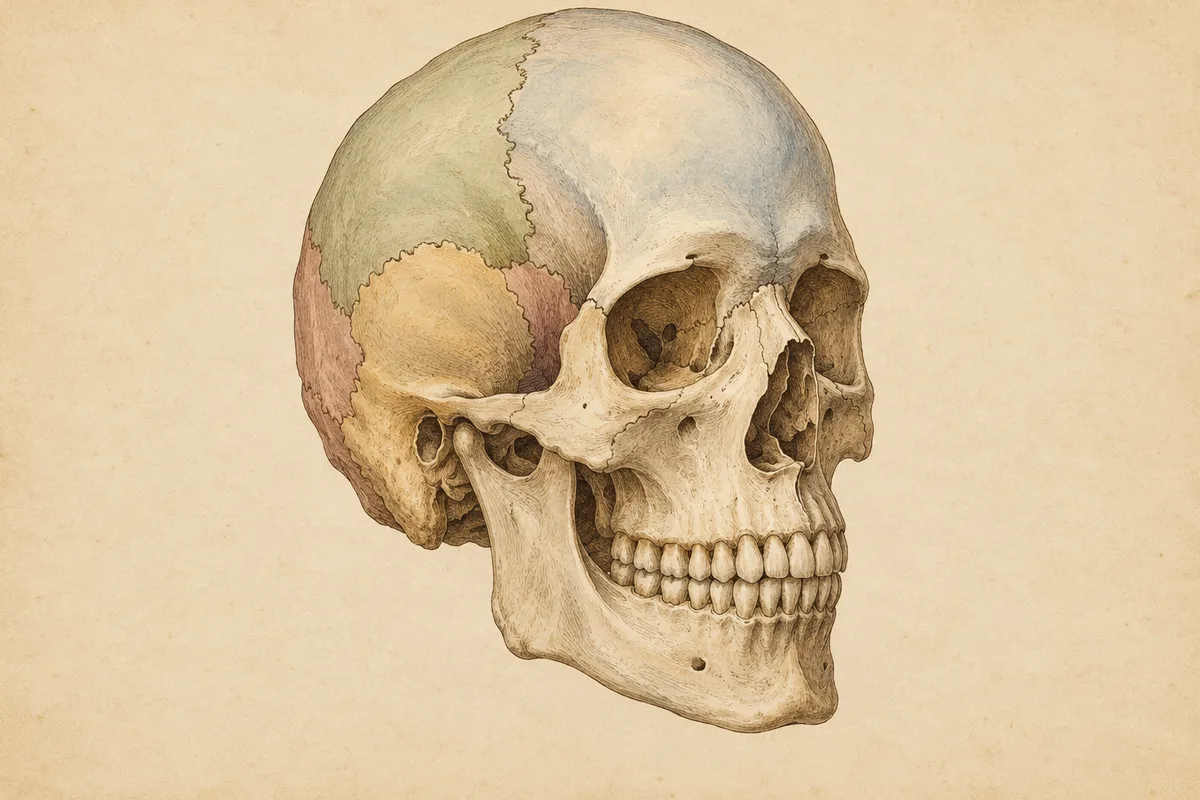 Skull
Skull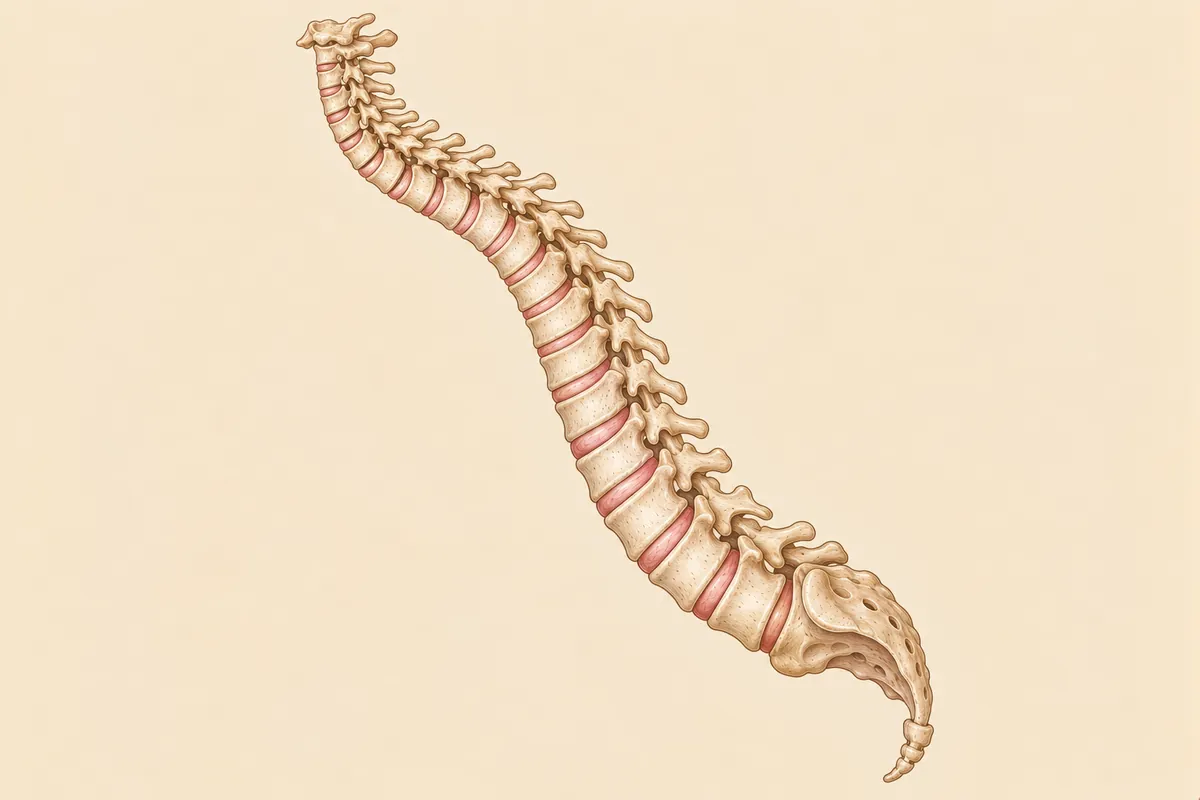 Spine
Spine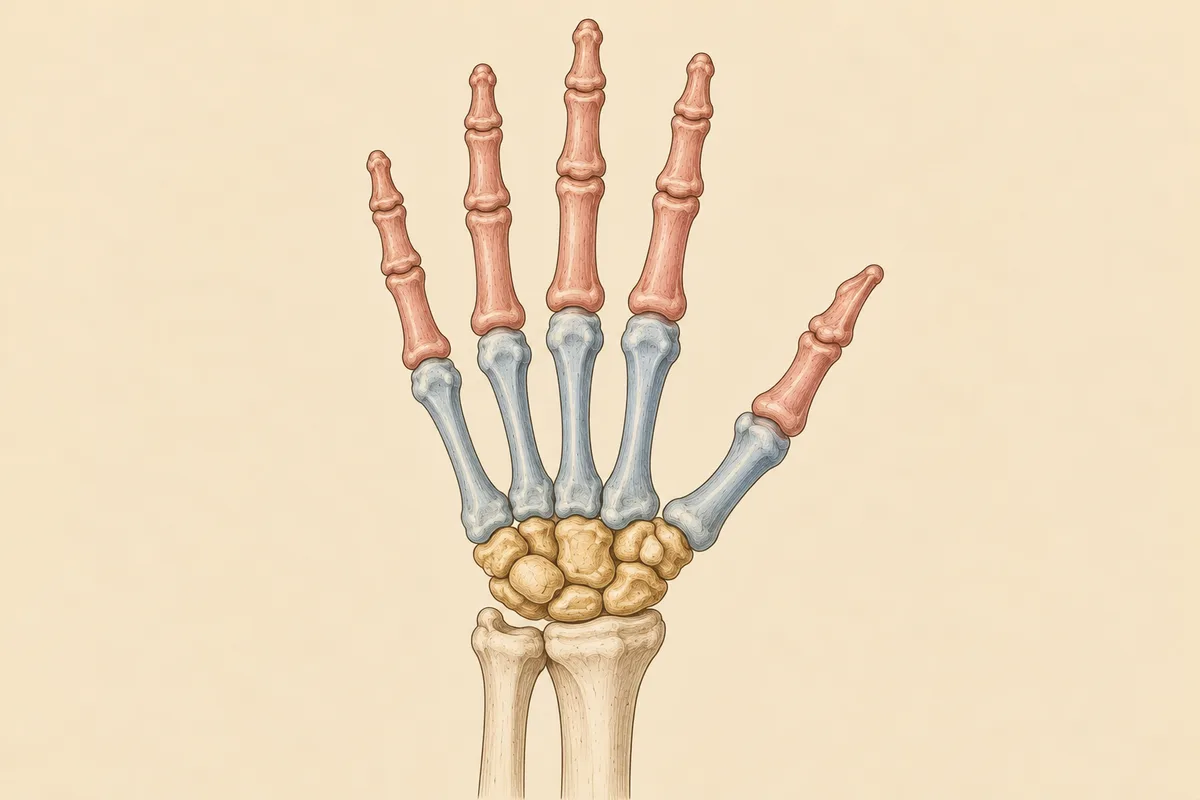 Hand
Hand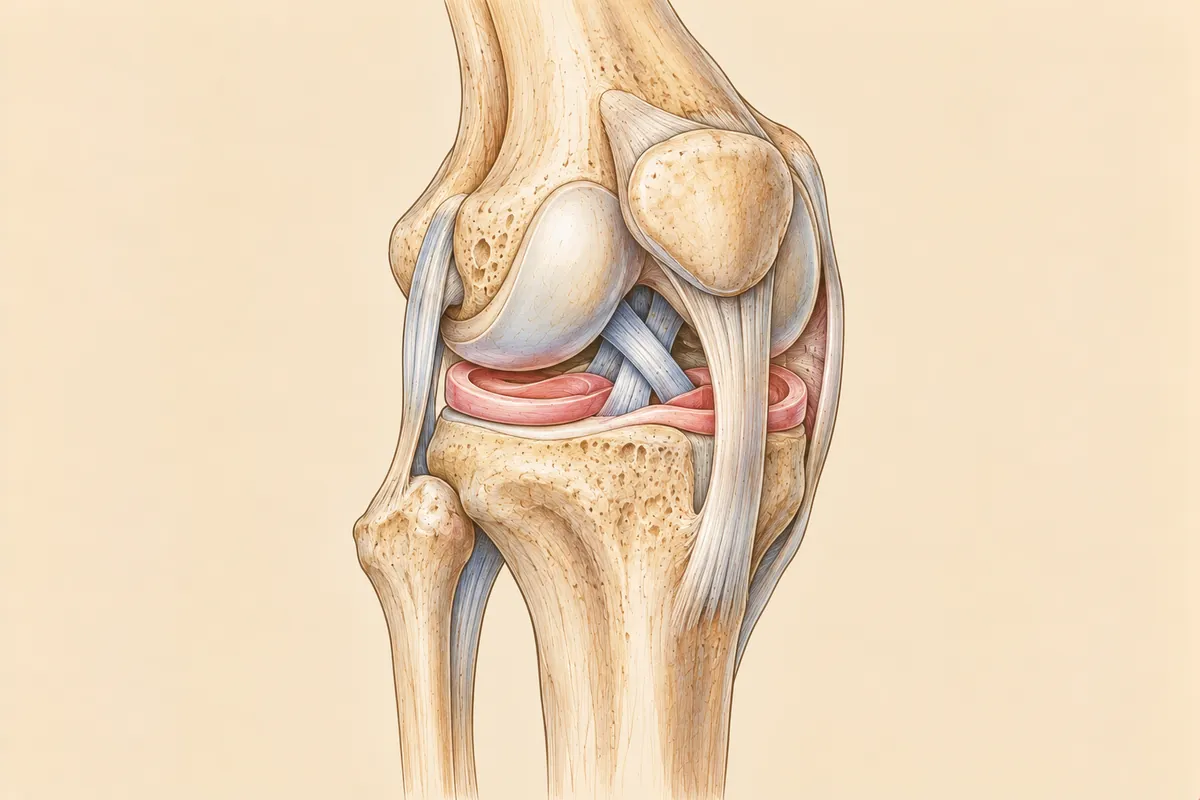 Knee
Knee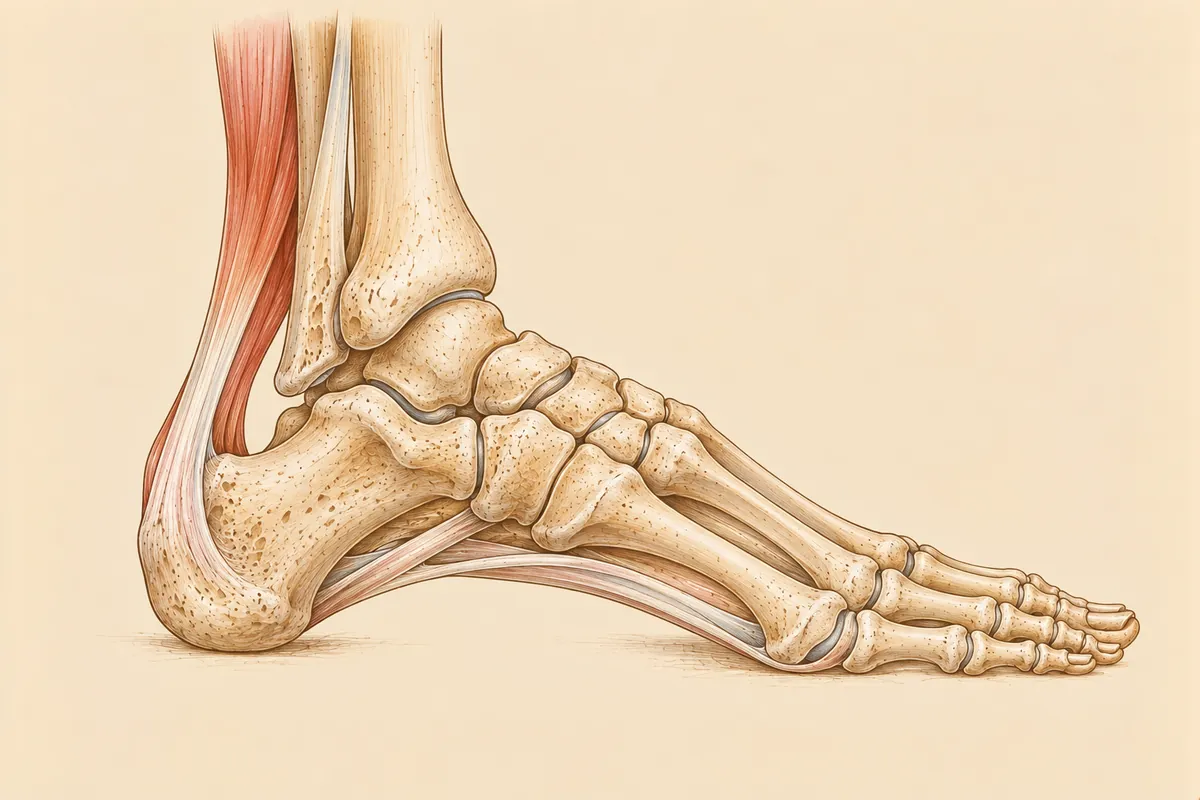 Foot
Foot Muscles
How does the nervous system work?
The nervous system is how the body sends and receives messages. The brain is the boss, the spinal cord is the main road running down the spine, and nerves carry messages to every bit of the body. It all happens very fast.
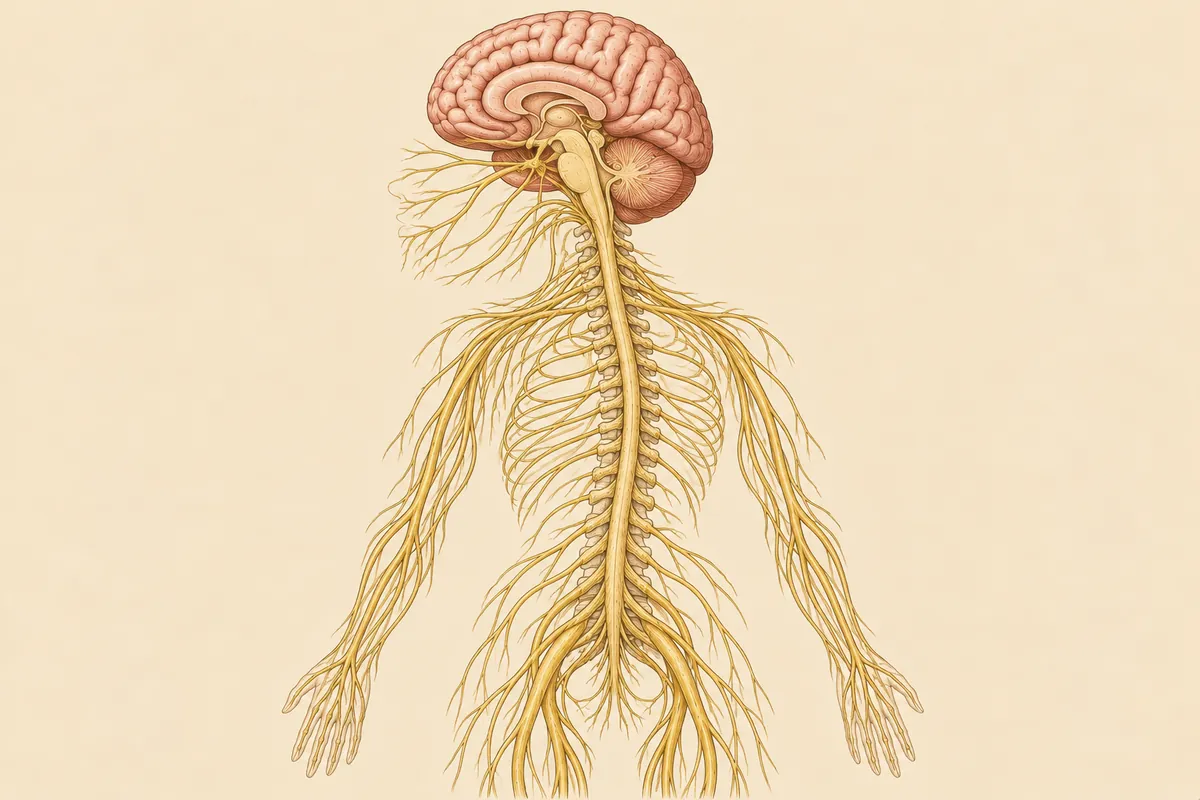
Drag to turn. Pinch or use the mouse wheel to zoom. Tap a part to see what it does.
Questions people ask
What is the spinal cord?
A cord of nerves that leaves the base of the brain and runs down inside the spine. It carries messages from the brain to the body and back. It is not the same as bone marrow, which is inside bones and makes blood.
What is a reflex?
An automatic, very fast response, like pulling your hand away from something hot. The message only goes as far as the spinal cord, which answers right away, even before the brain notices the pain.
How fast do nerve signals travel?
It depends on the nerve. The fastest reach about 120 meters per second, over 400 km/h. The slowest, like some pain fibers, travel under 2 meters per second.
What is a neuron?
It is the nervous system’s cell. It has a body, several little "branches" that receive messages and one long extension that sends the message to the next cell. Neurons talk to each other using tiny chemical substances.
Why do we get pins and needles when a foot "falls asleep"?
When you stay in one position for a long time, the nerve gets squeezed and sends fewer signals. When you move, it wakes up bit by bit and sends jumbled signals, which we feel as pins and needles. If it happens for no reason or often, see a doctor.
Sources
This text was written using these references:
- Nervous System · National Cancer Institute (SEER Training)
- Brain Basics: Know Your Brain · National Institute of Neurological Disorders and Stroke (NIH)
This content has not been medically reviewed.