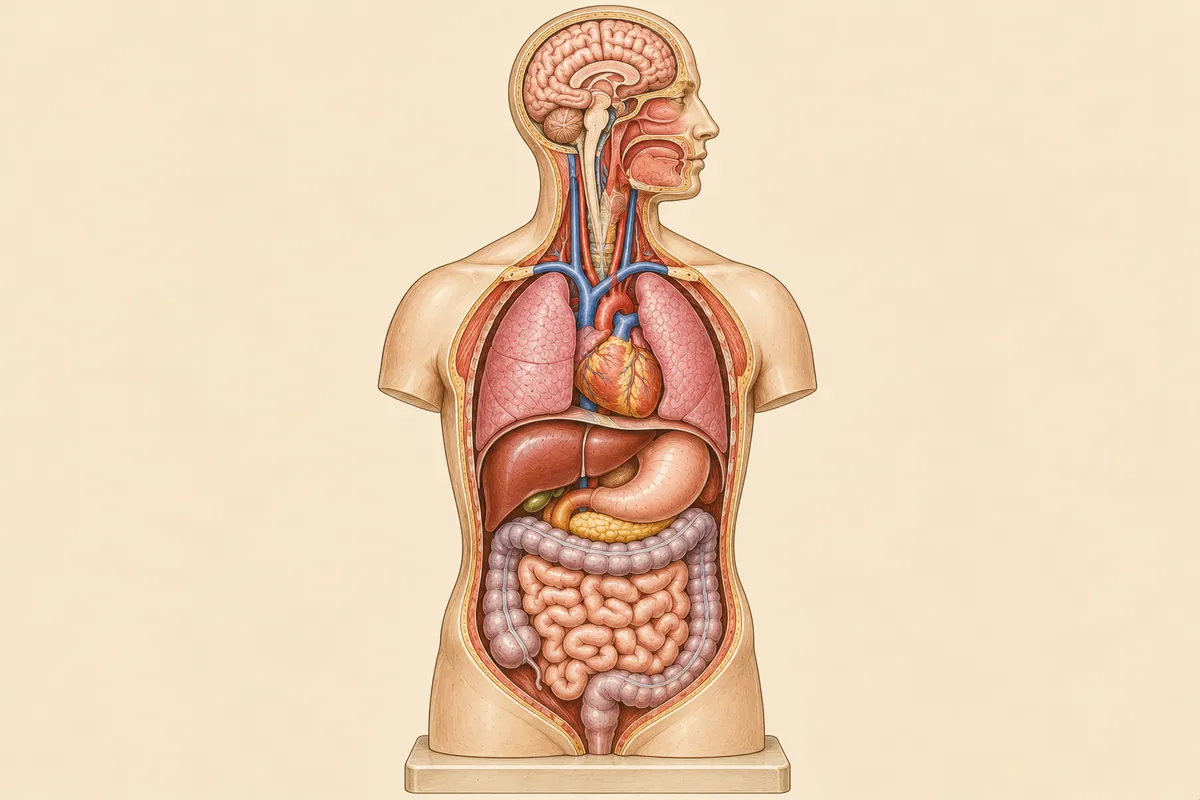
 The whole body
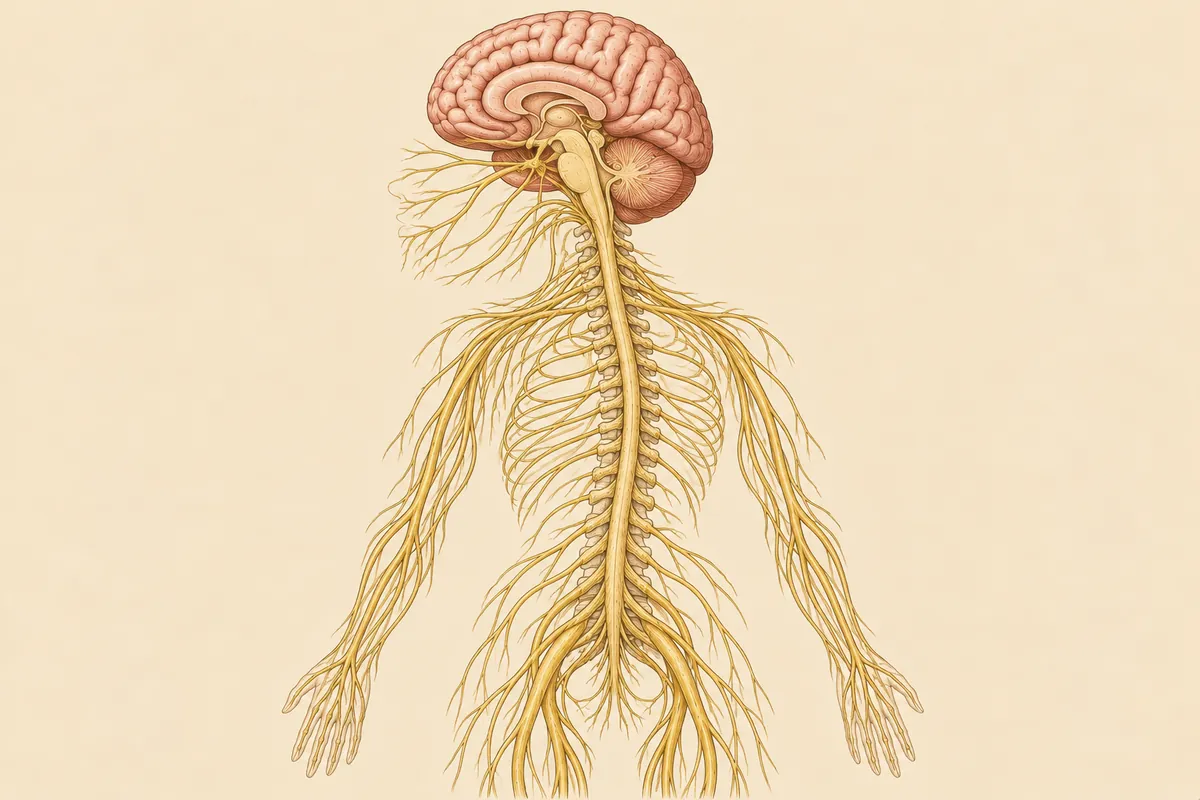 Nervous system
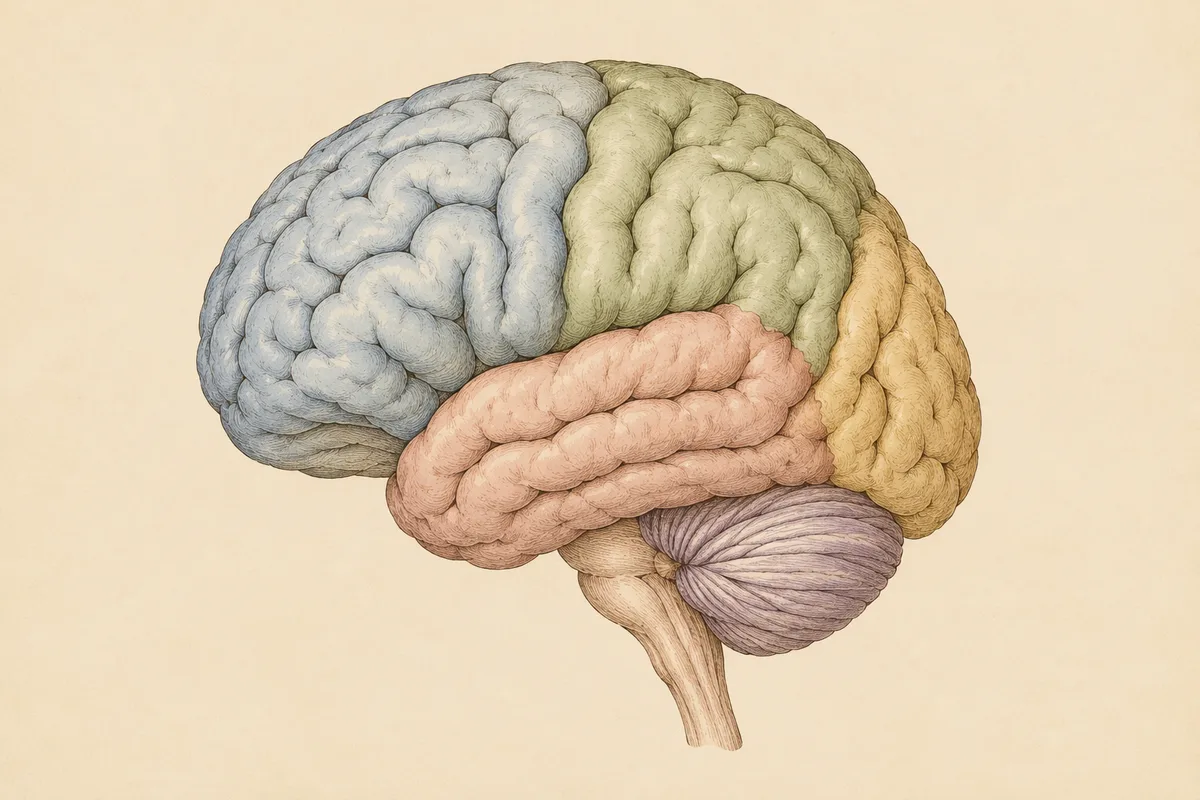 Brain
Brain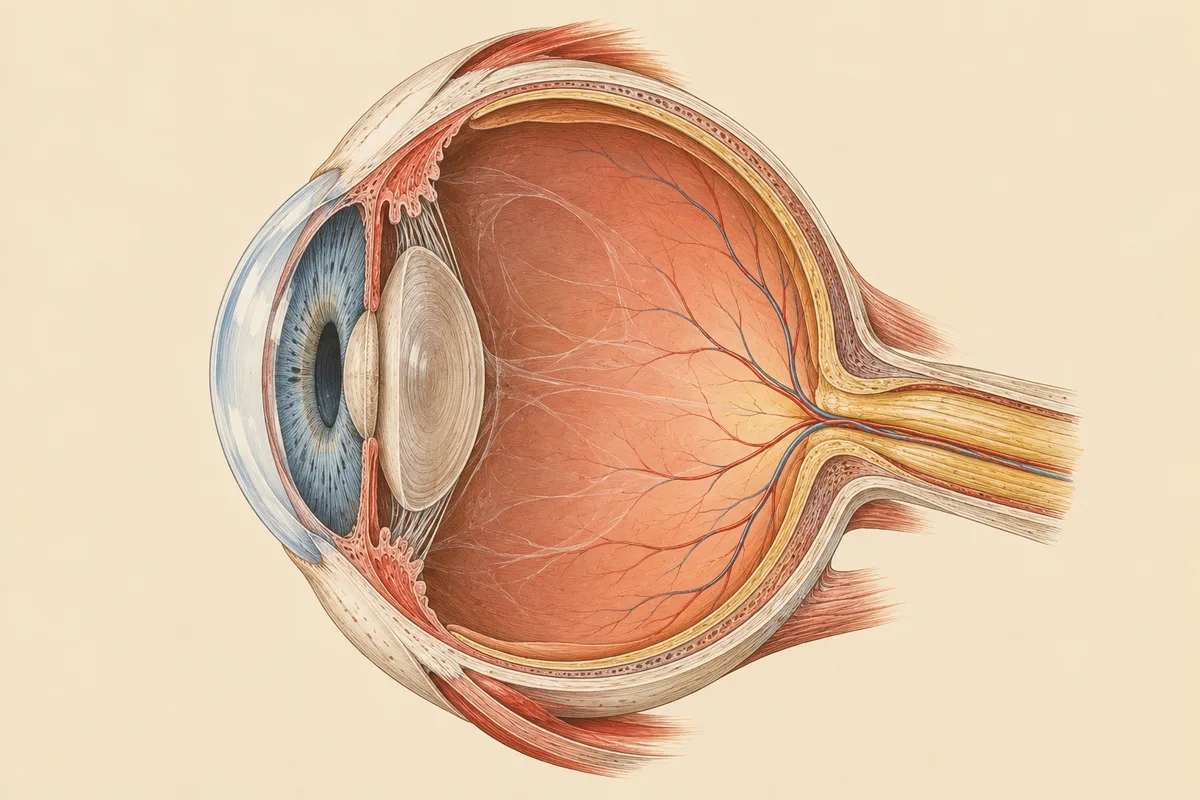 Eye
Eye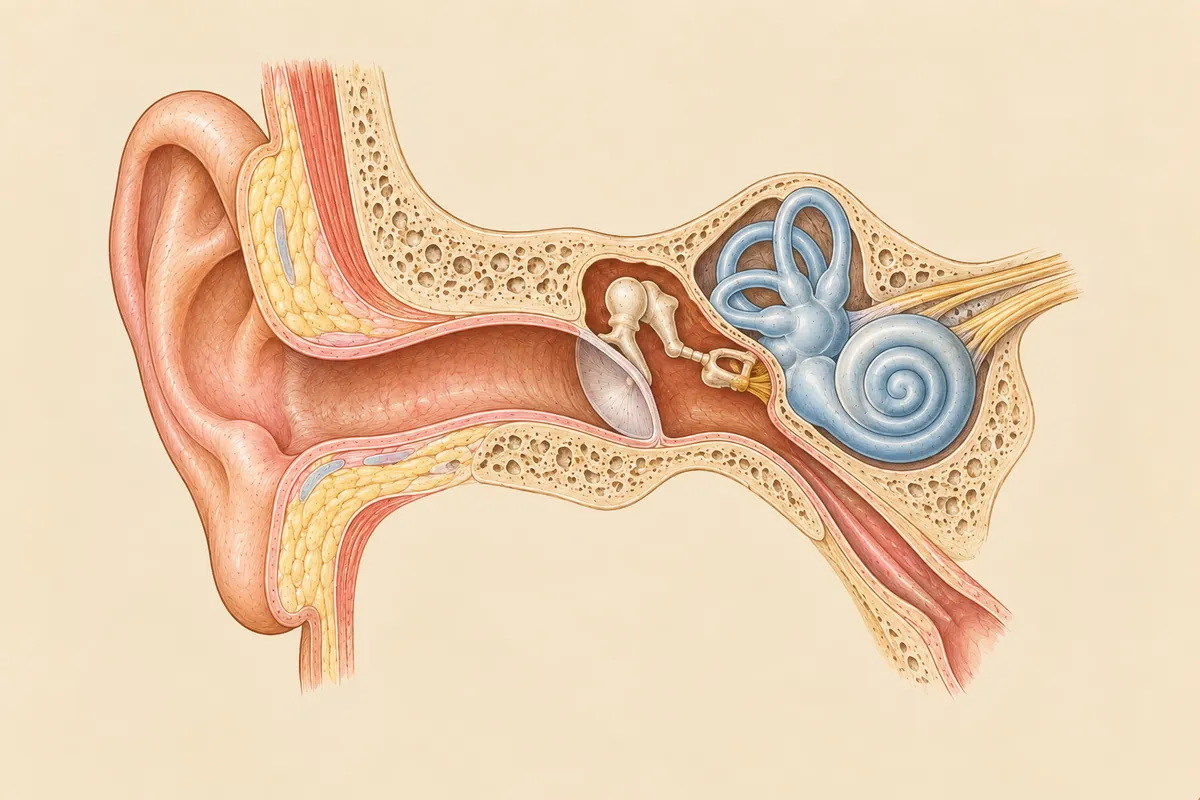 Ear
Ear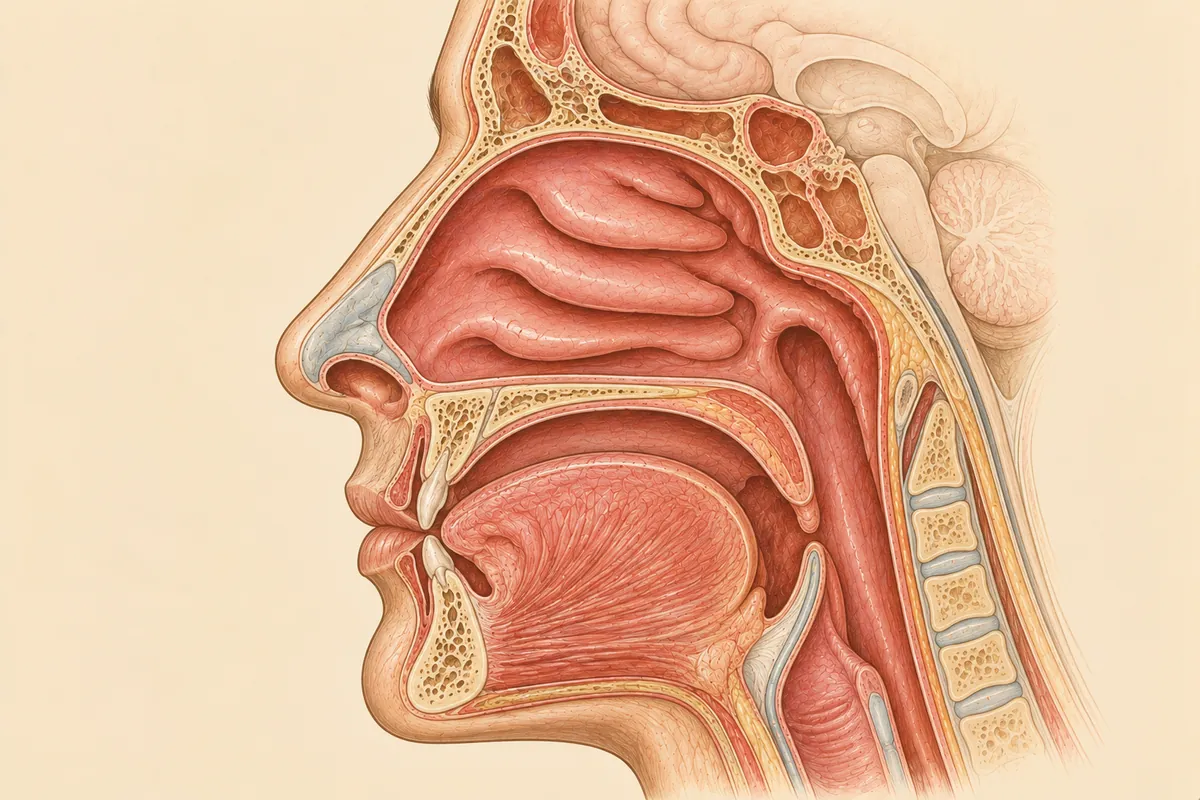 Nose
Nose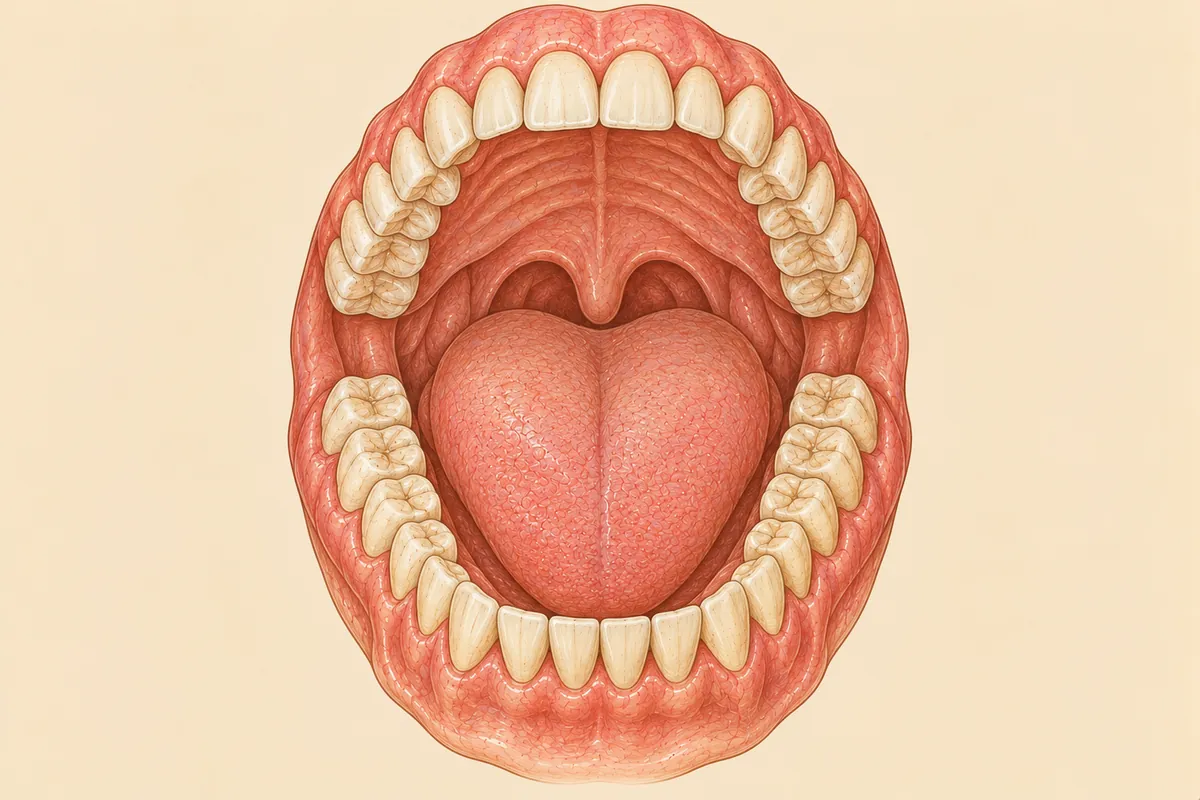 Mouth and teeth
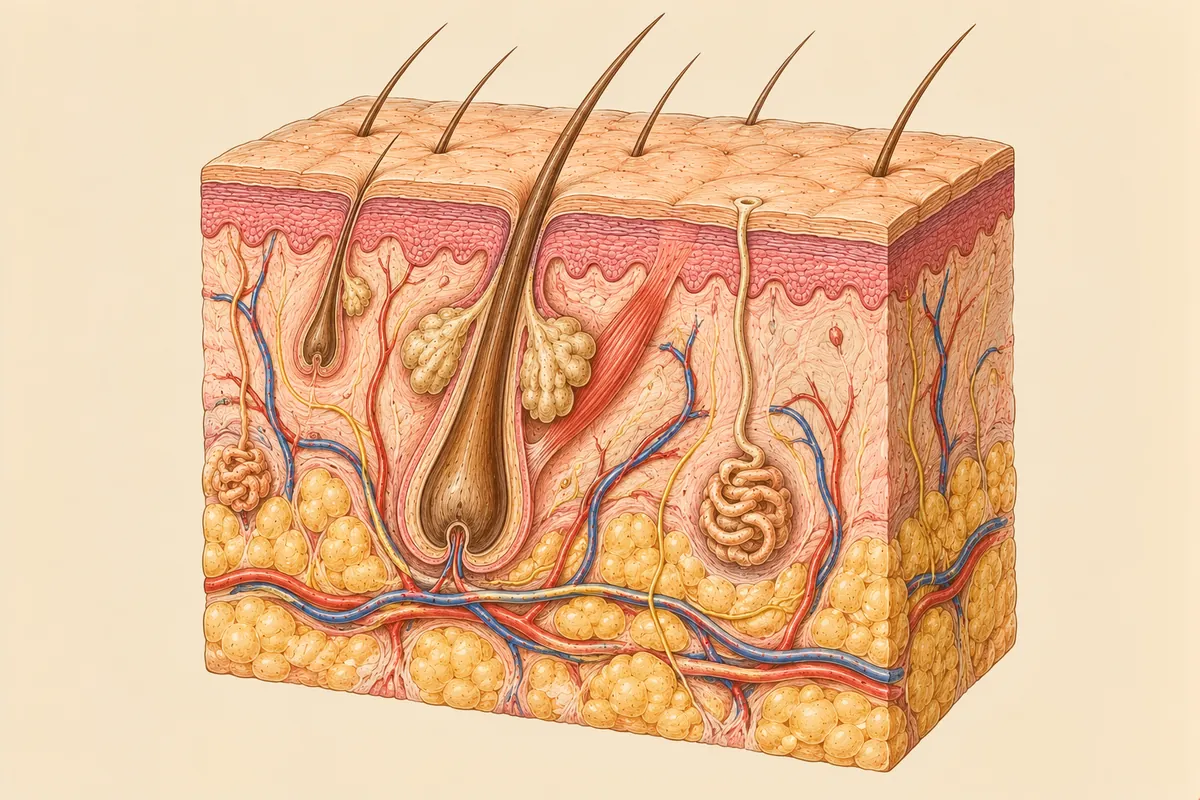 Skin and touch
 Blood and circulation
 Spleen
 Body defenses
 Throat and voice
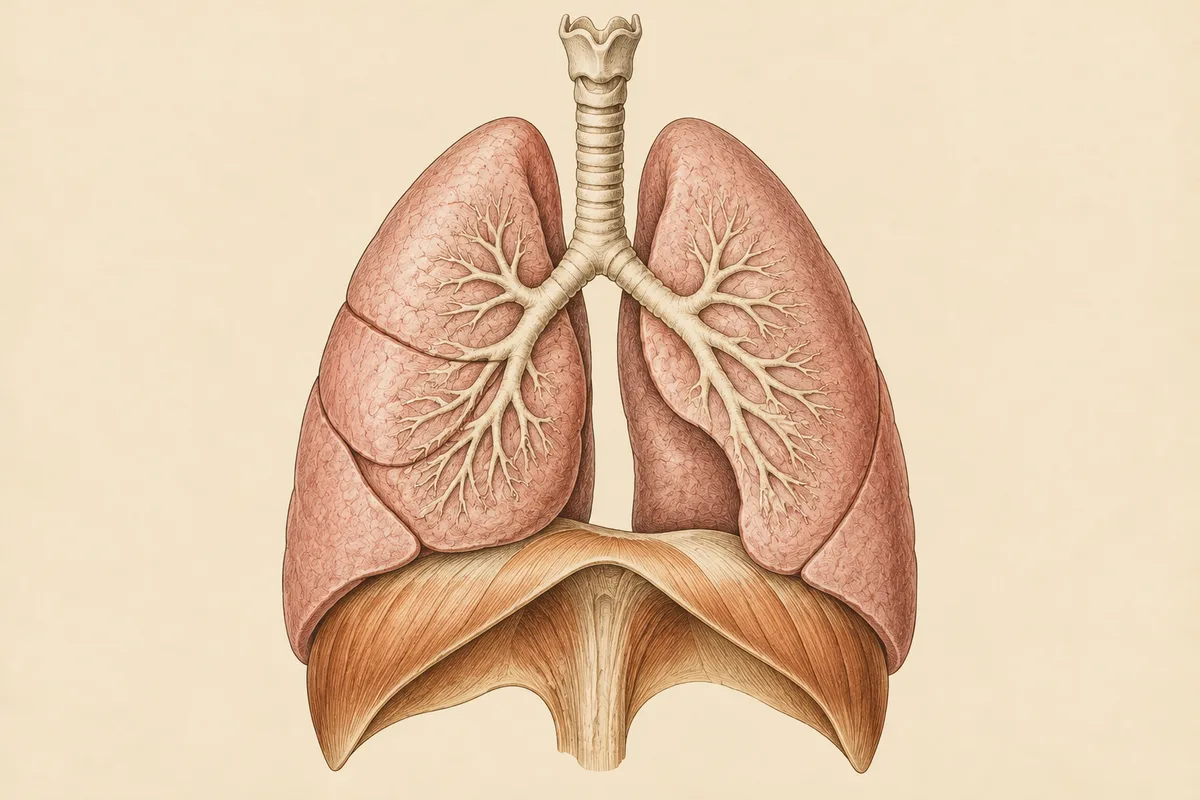 Lungs
Lungs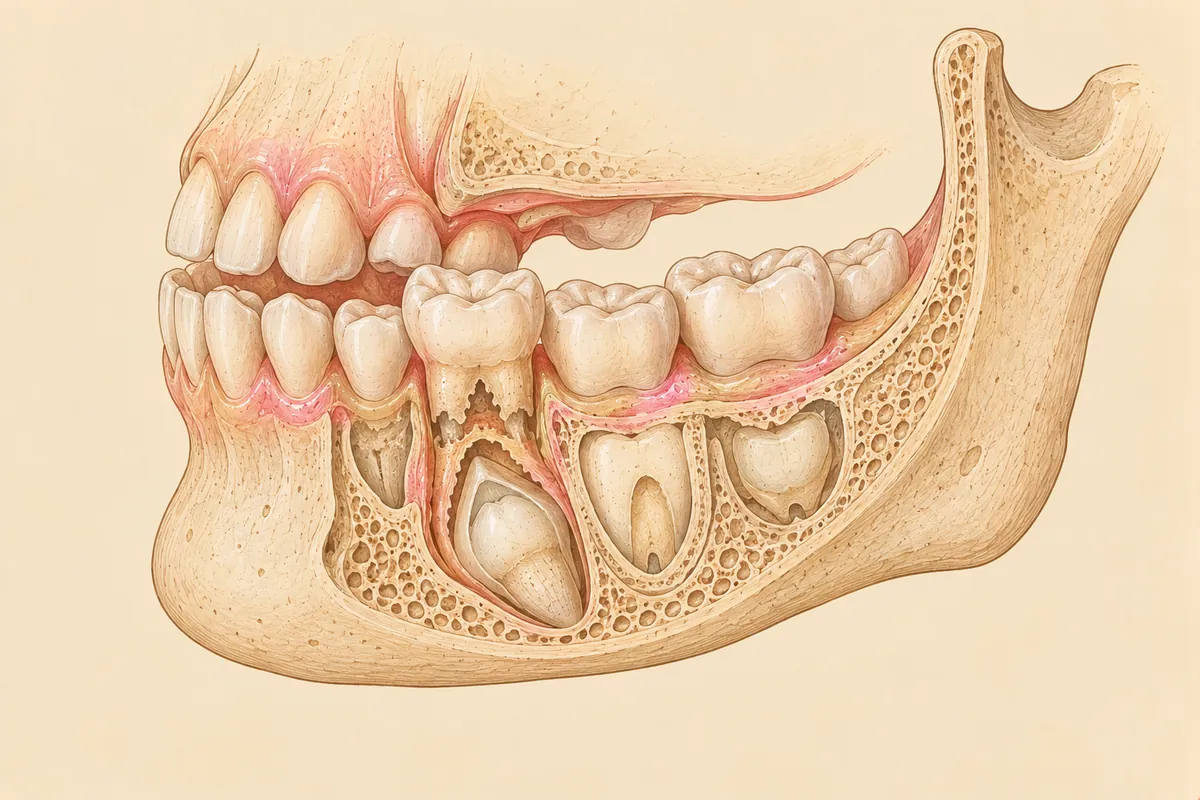 Baby teeth
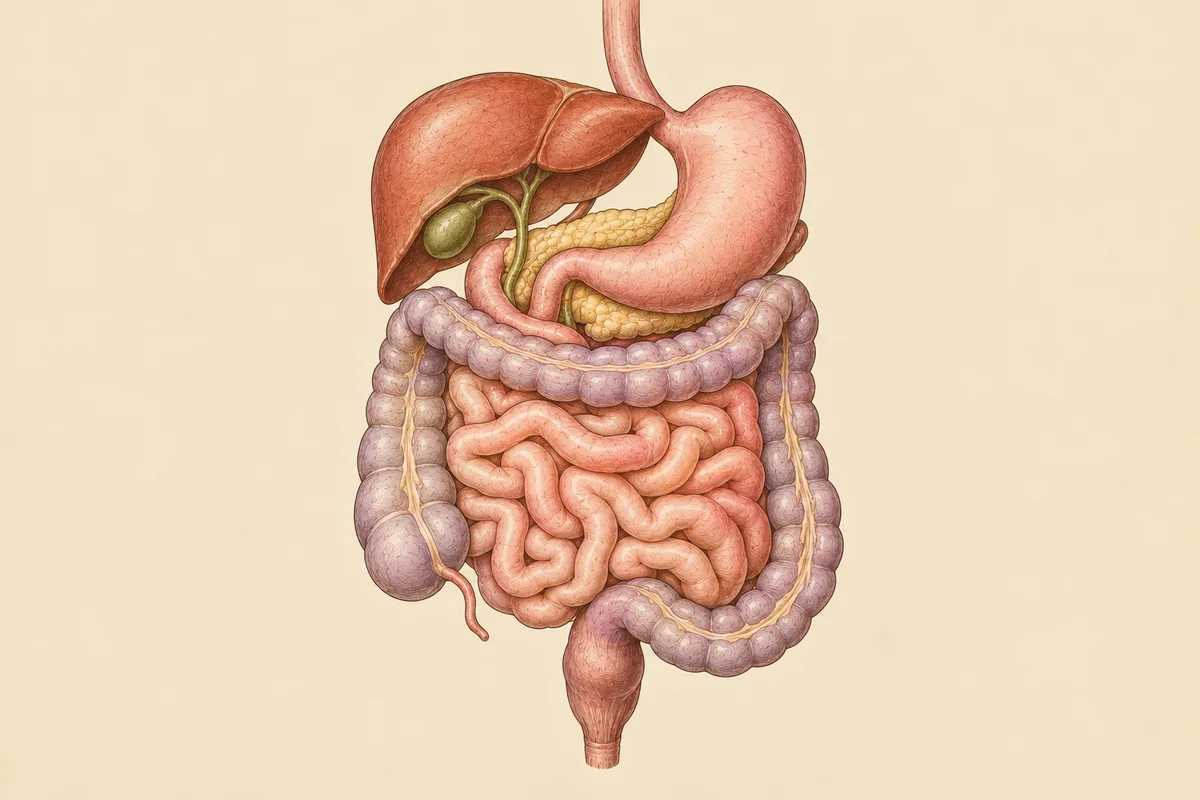 Digestion
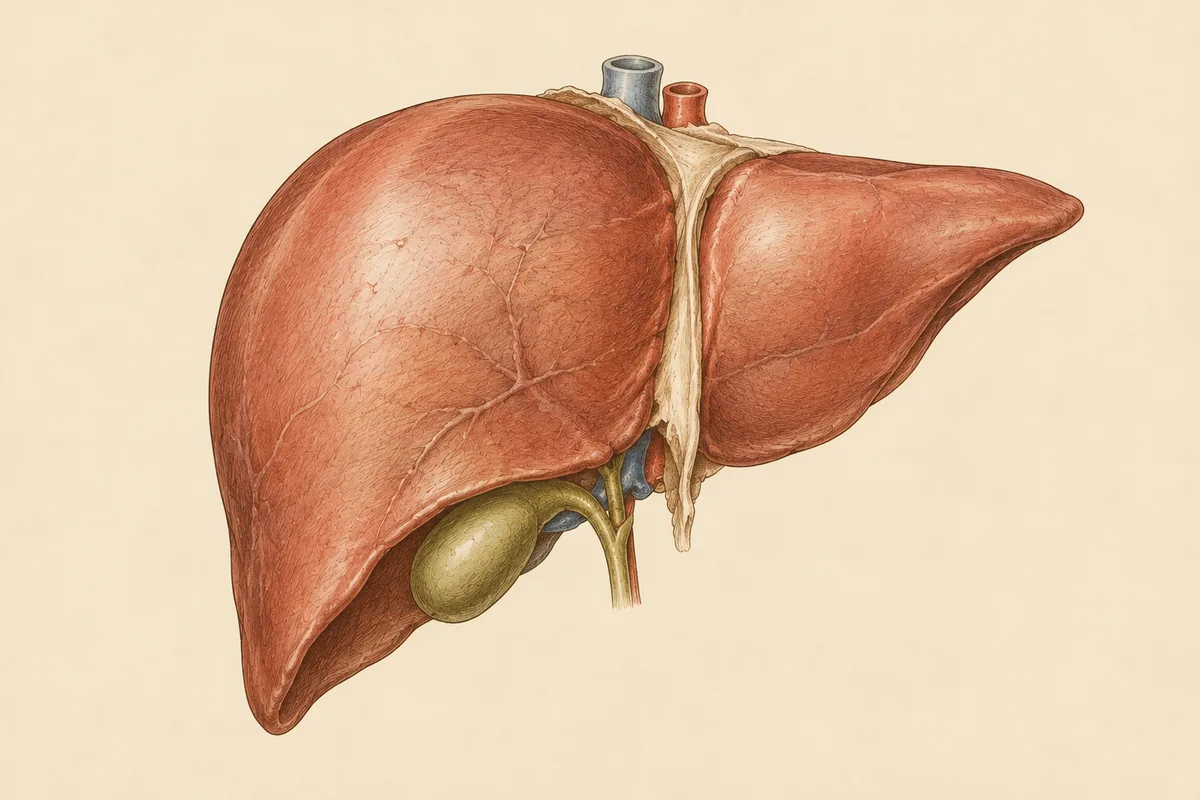 Liver
Liver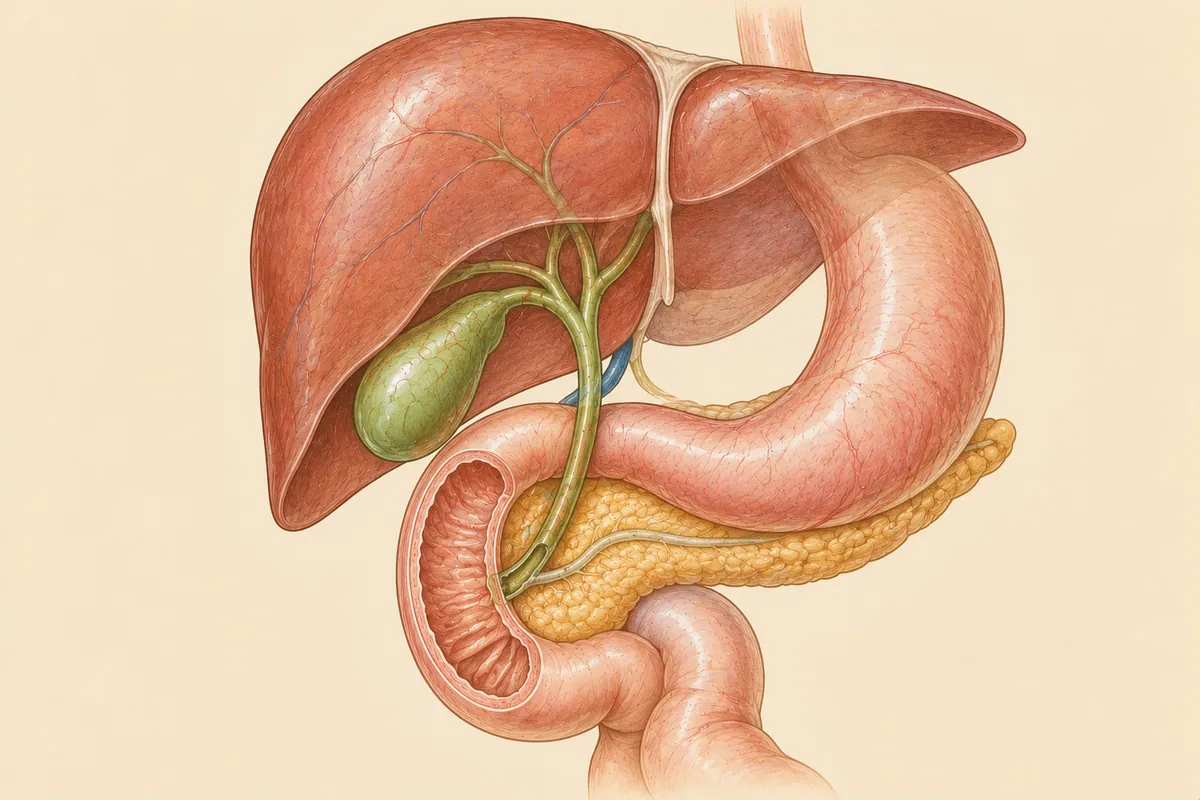 Gallbladder
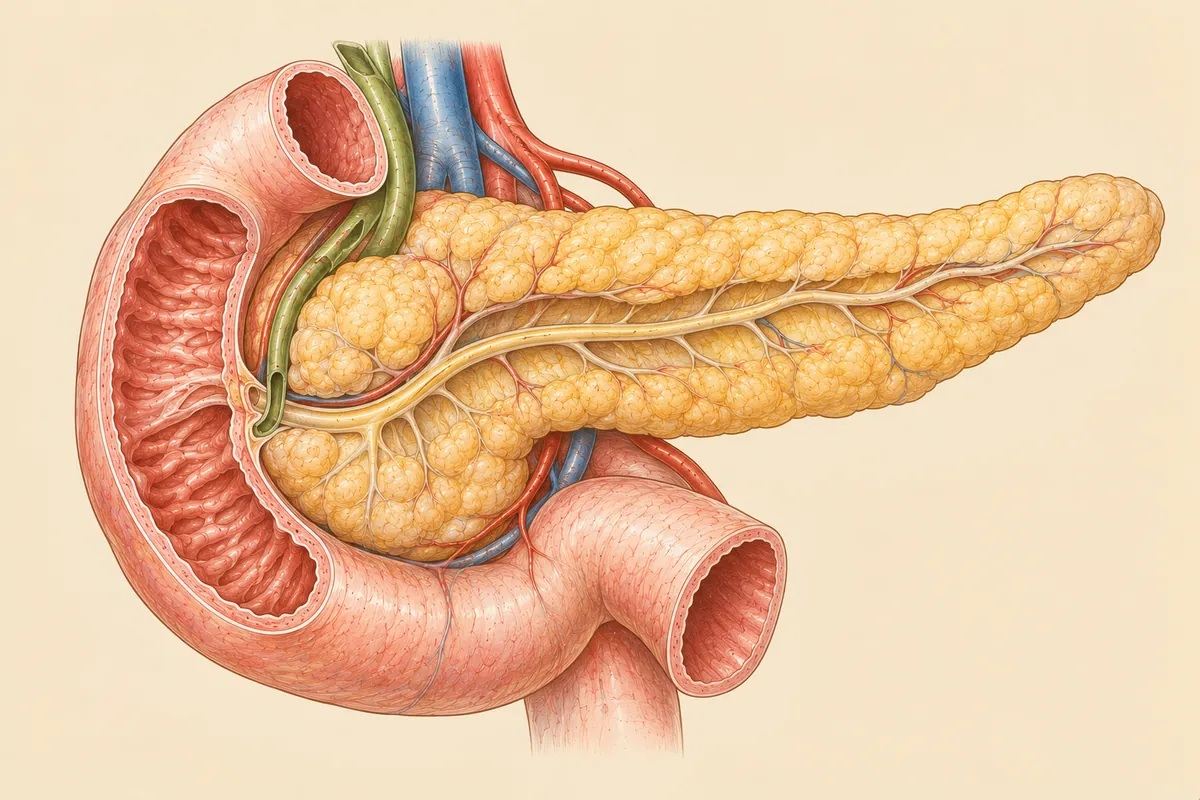 Pancreas
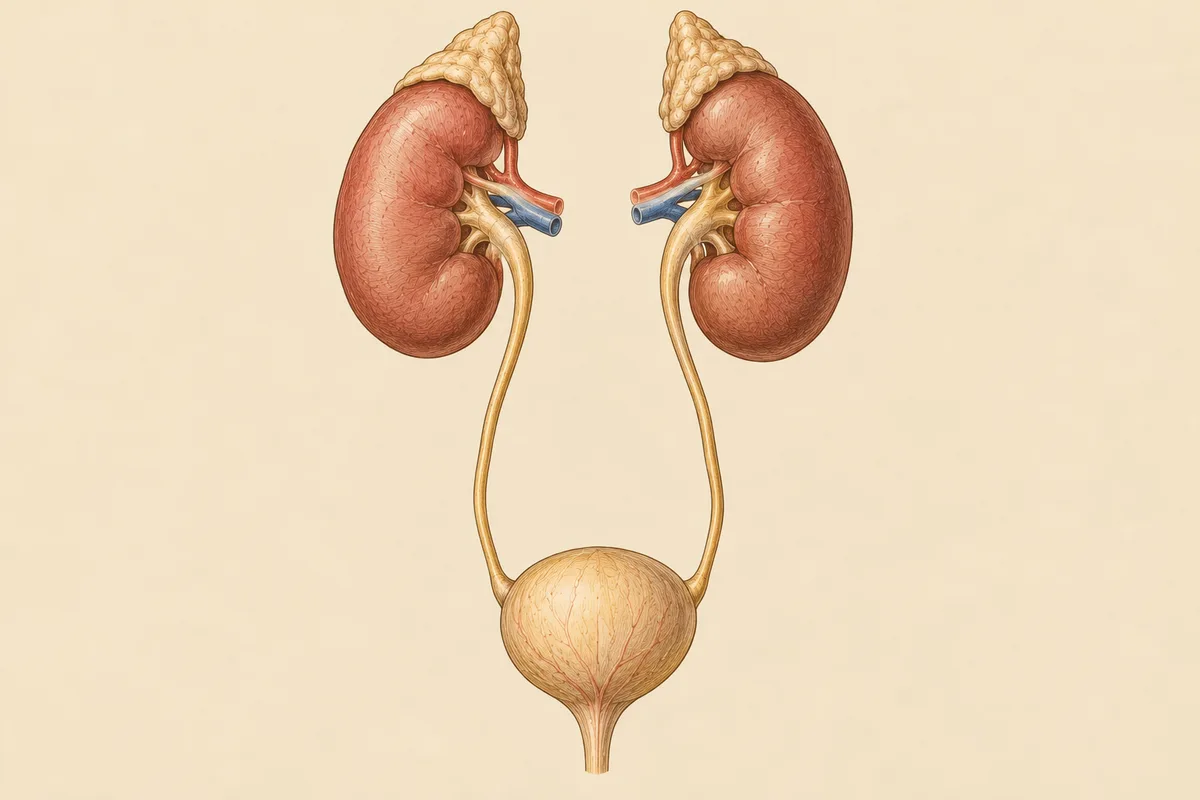 Kidneys
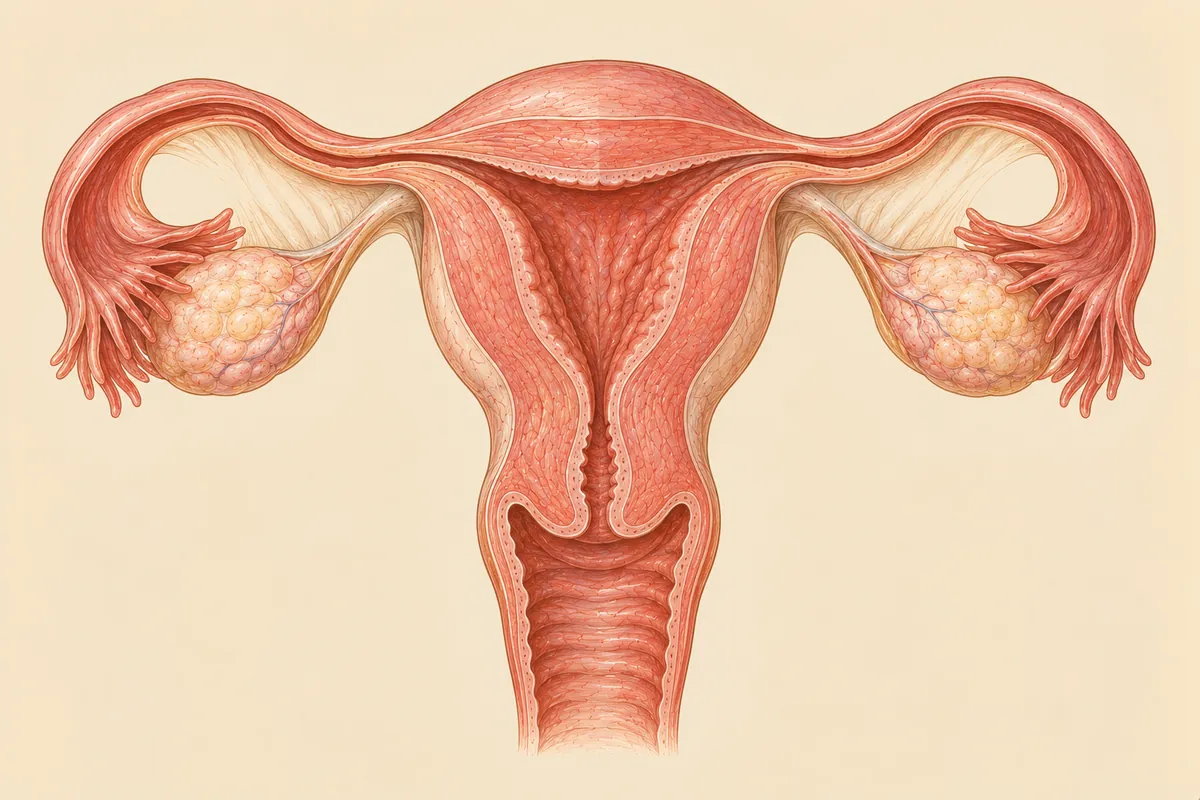 Reproductive system
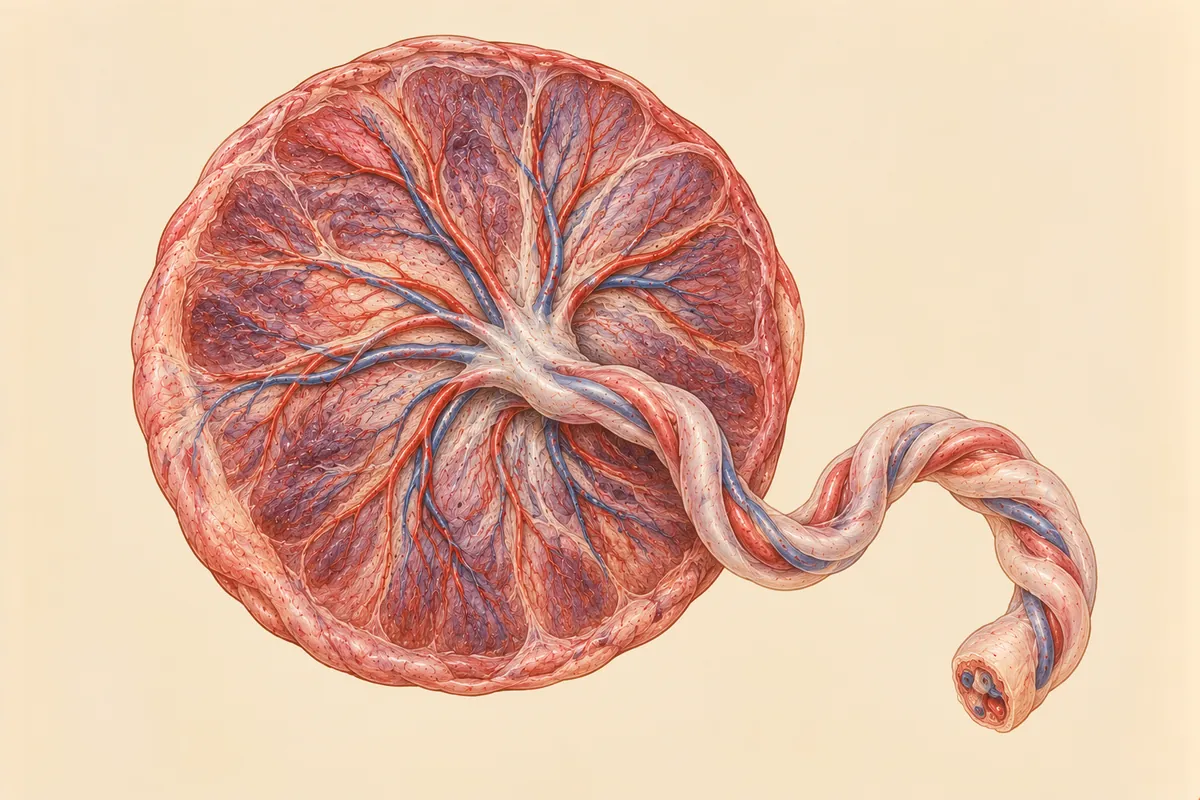 Pregnancy
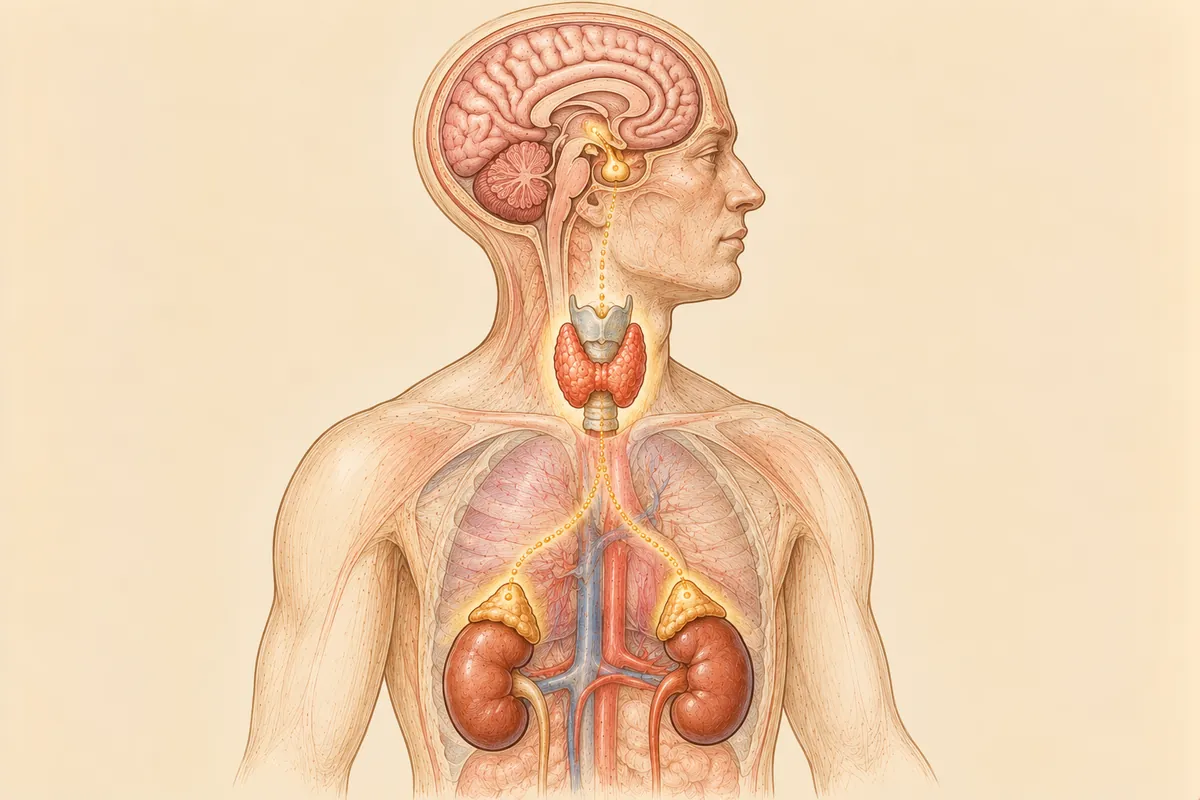 Glands and hormones
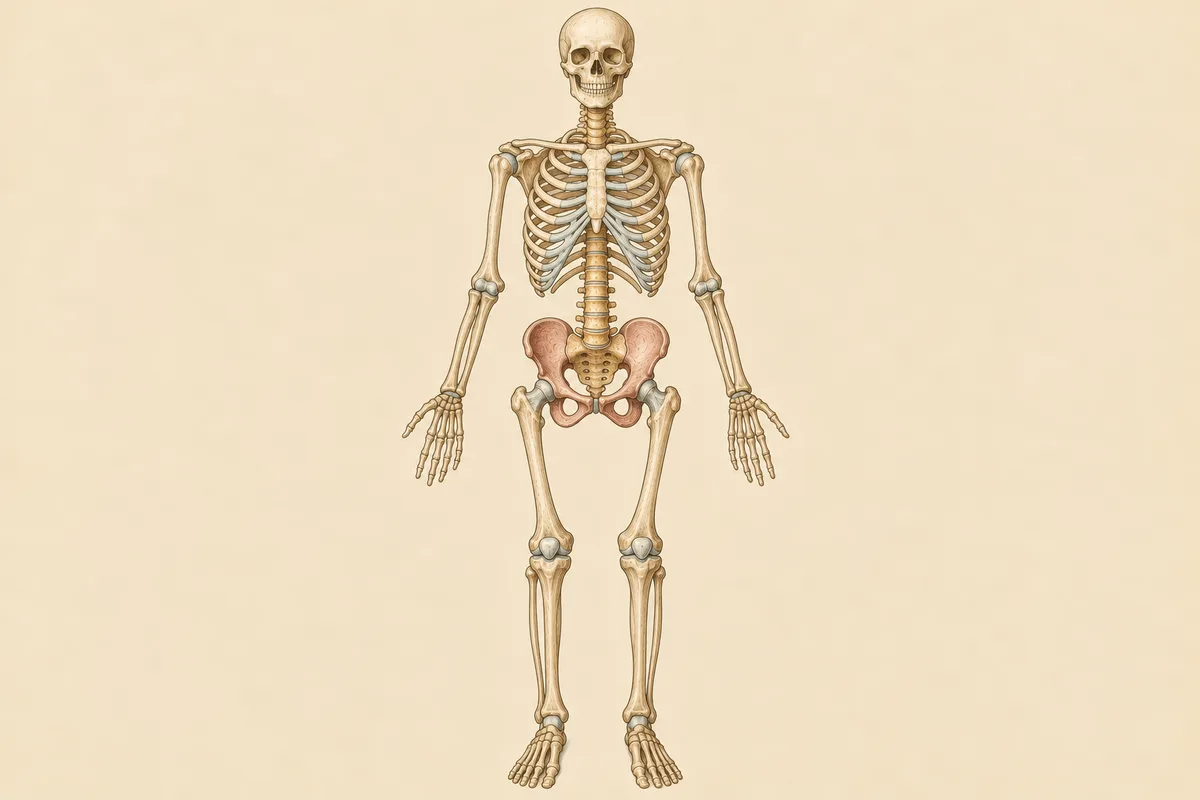 Skeleton
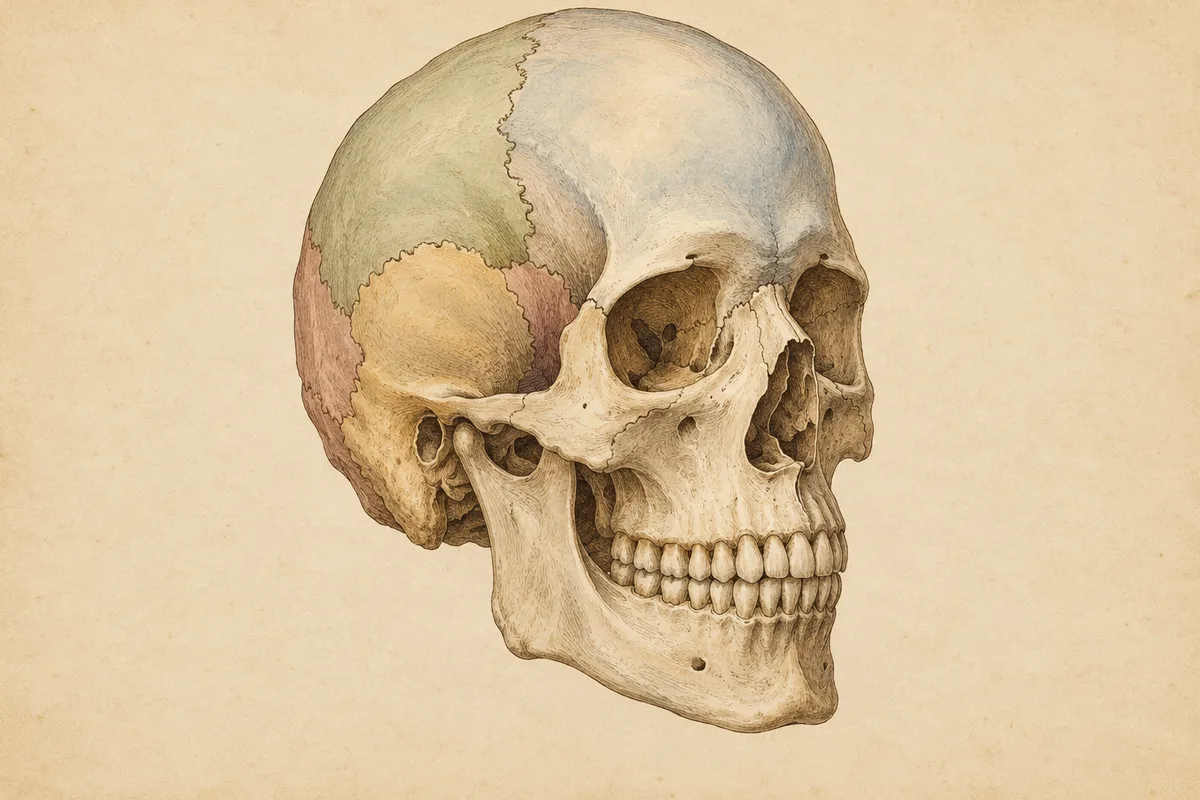 Skull
Skull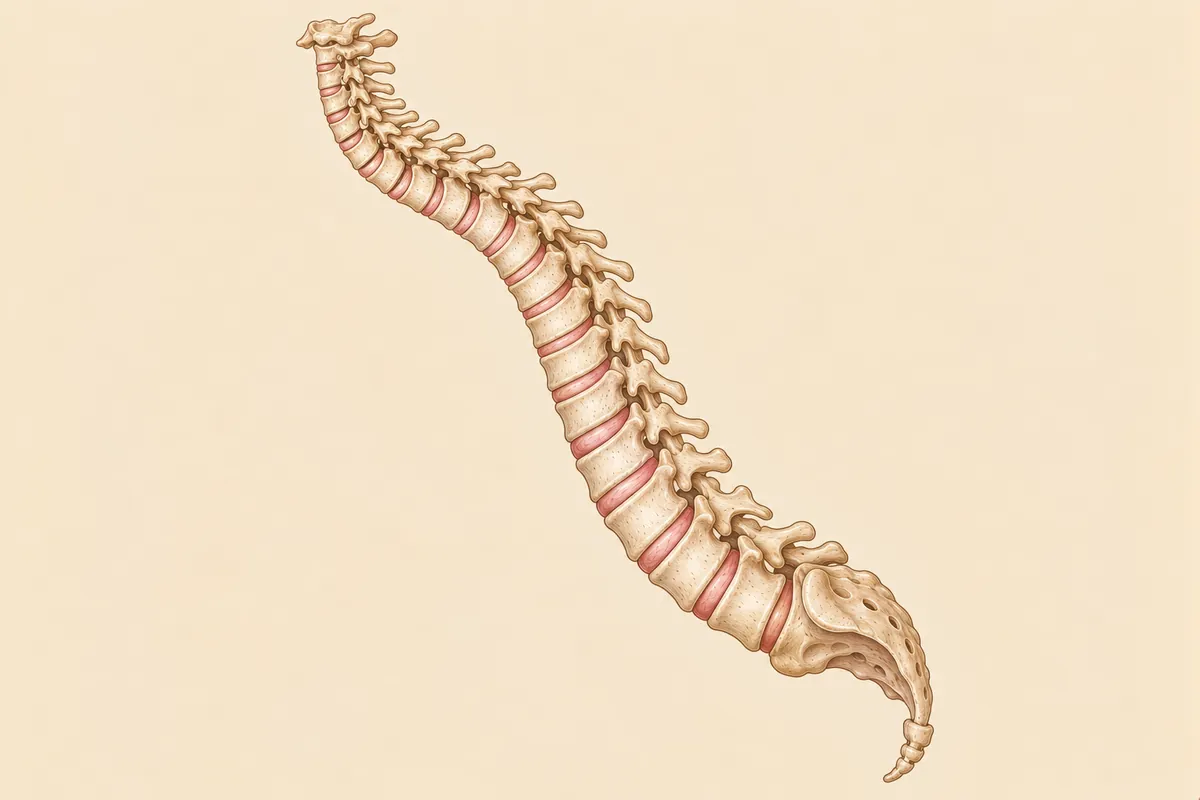 Spine
Spine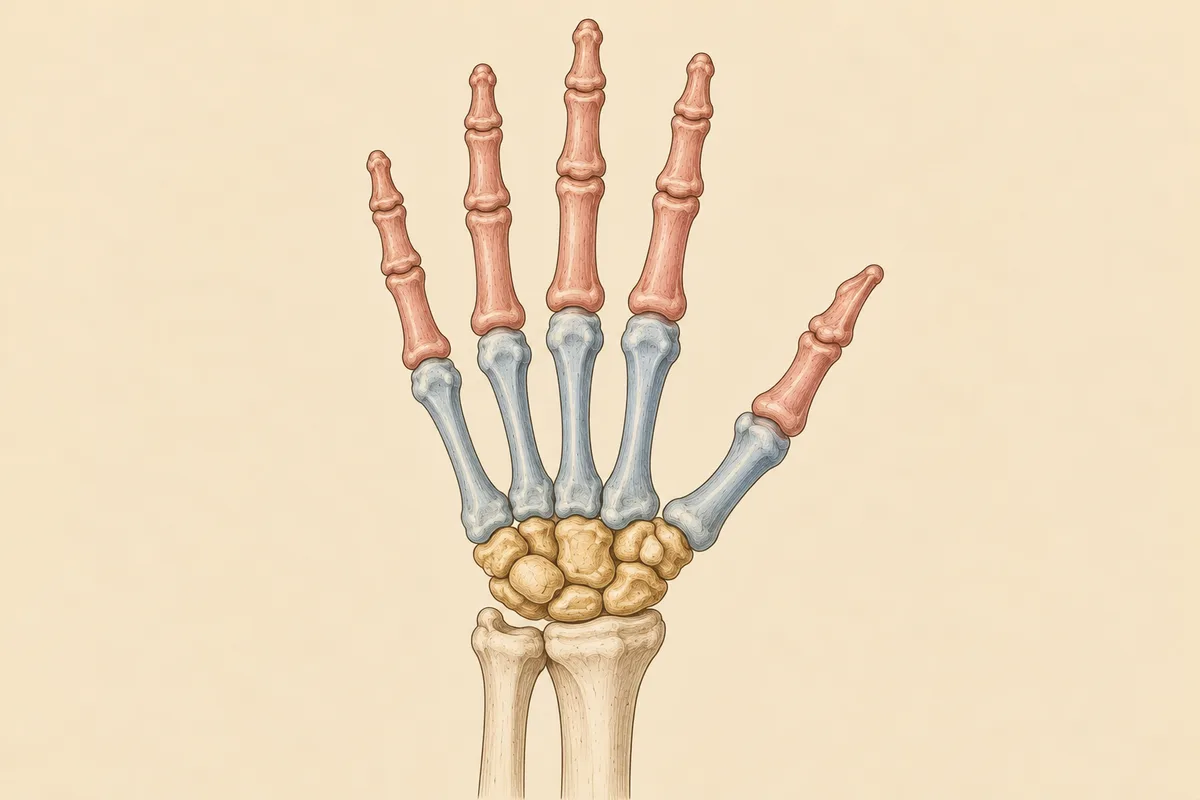 Hand
Hand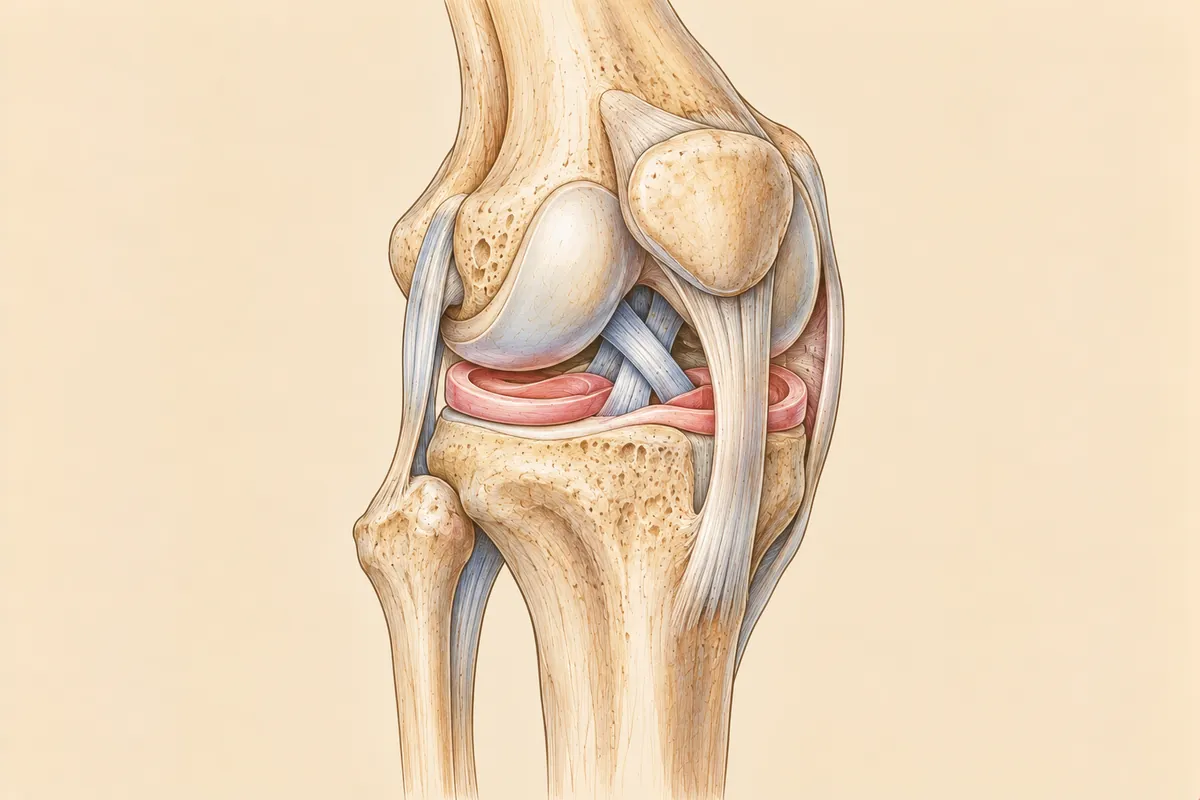 Knee
Knee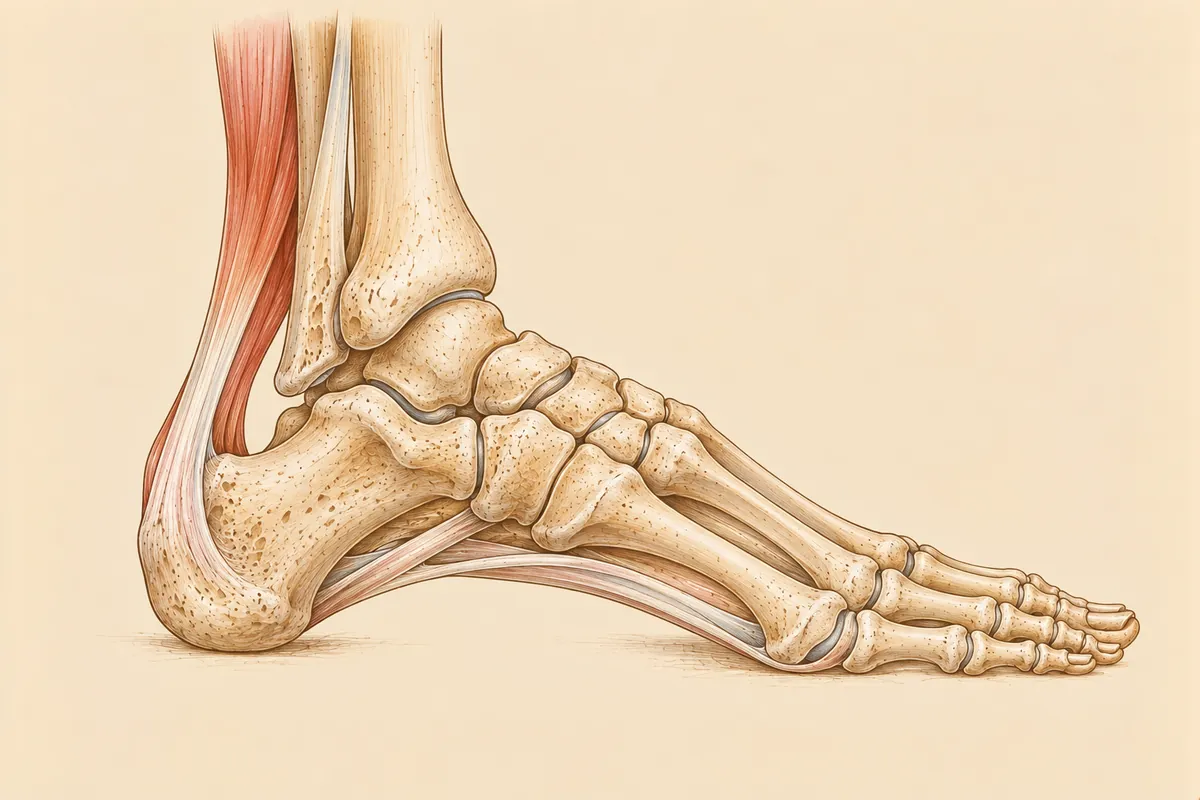 Foot
Foot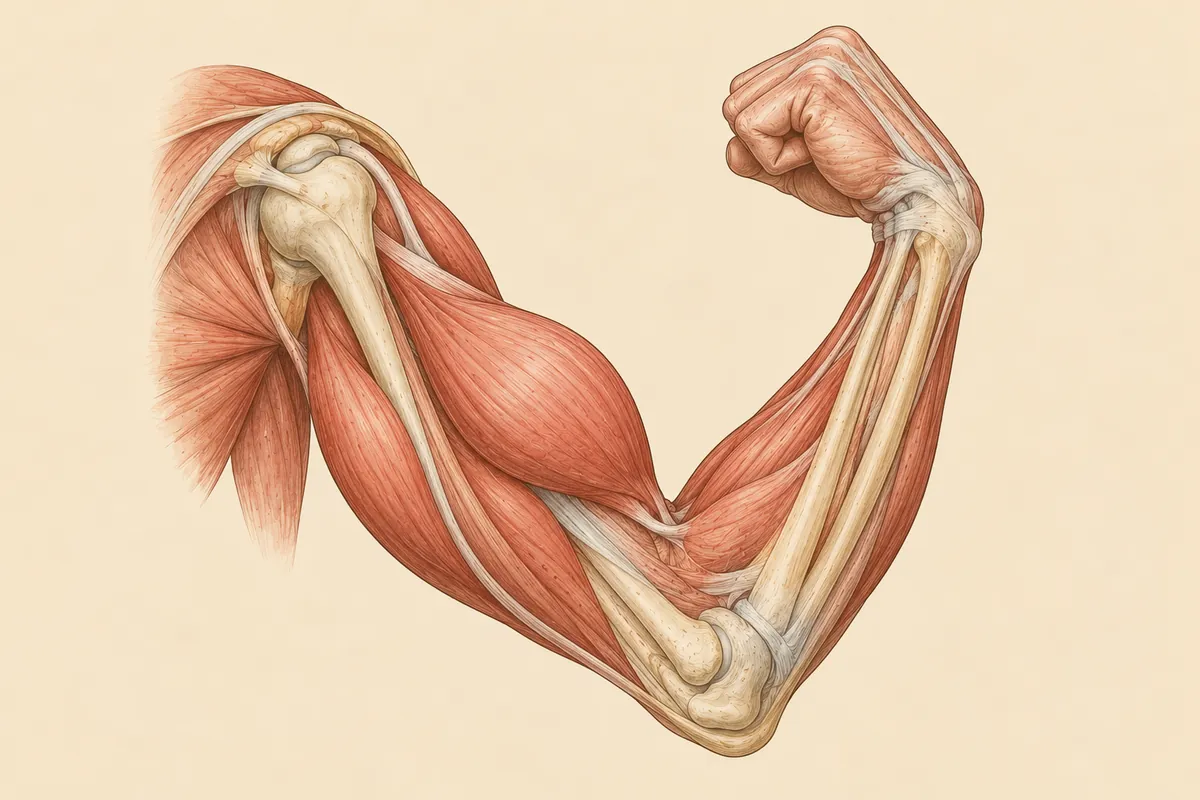 Muscles
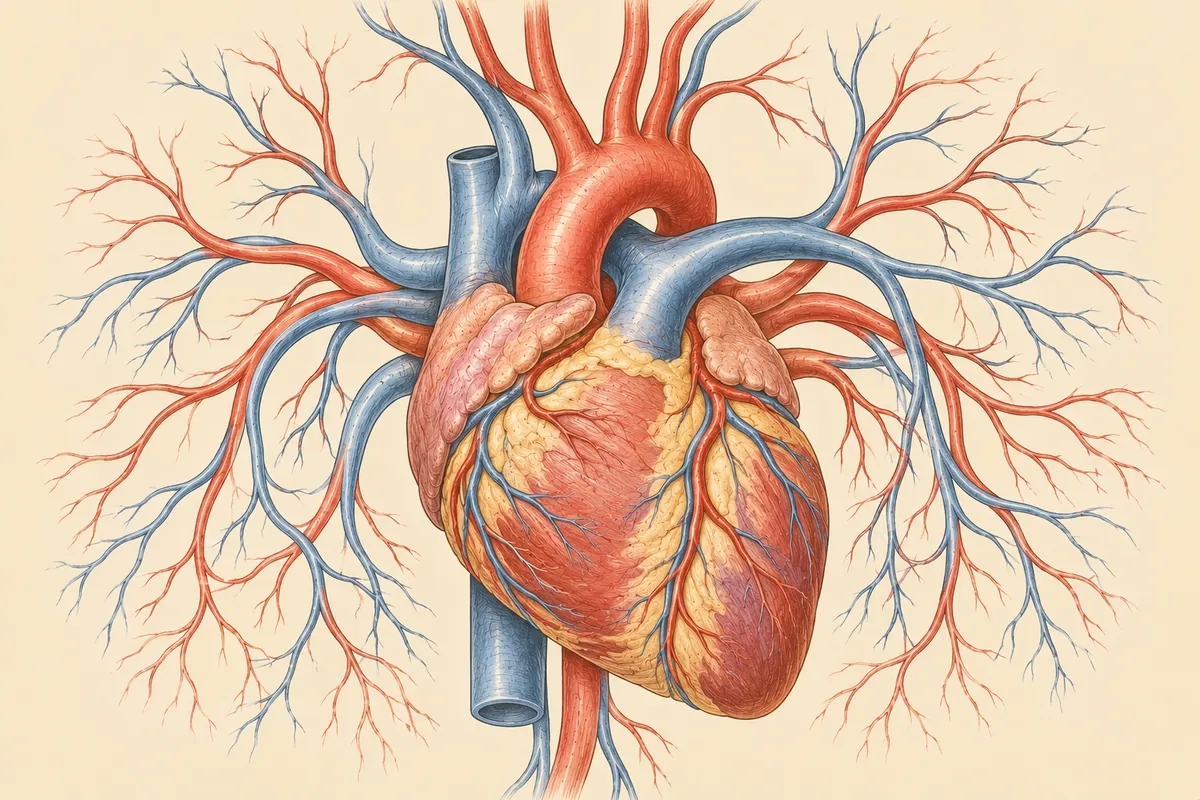
How does the heart work?
The heart is a muscle about the size of your closed fist. It works like a pump: it squeezes and relaxes all the time, pushing blood around your body. Inside it has 4 spaces. The right side sends blood to the lungs to get oxygen, and the left side sends oxygen-rich blood to the whole body.
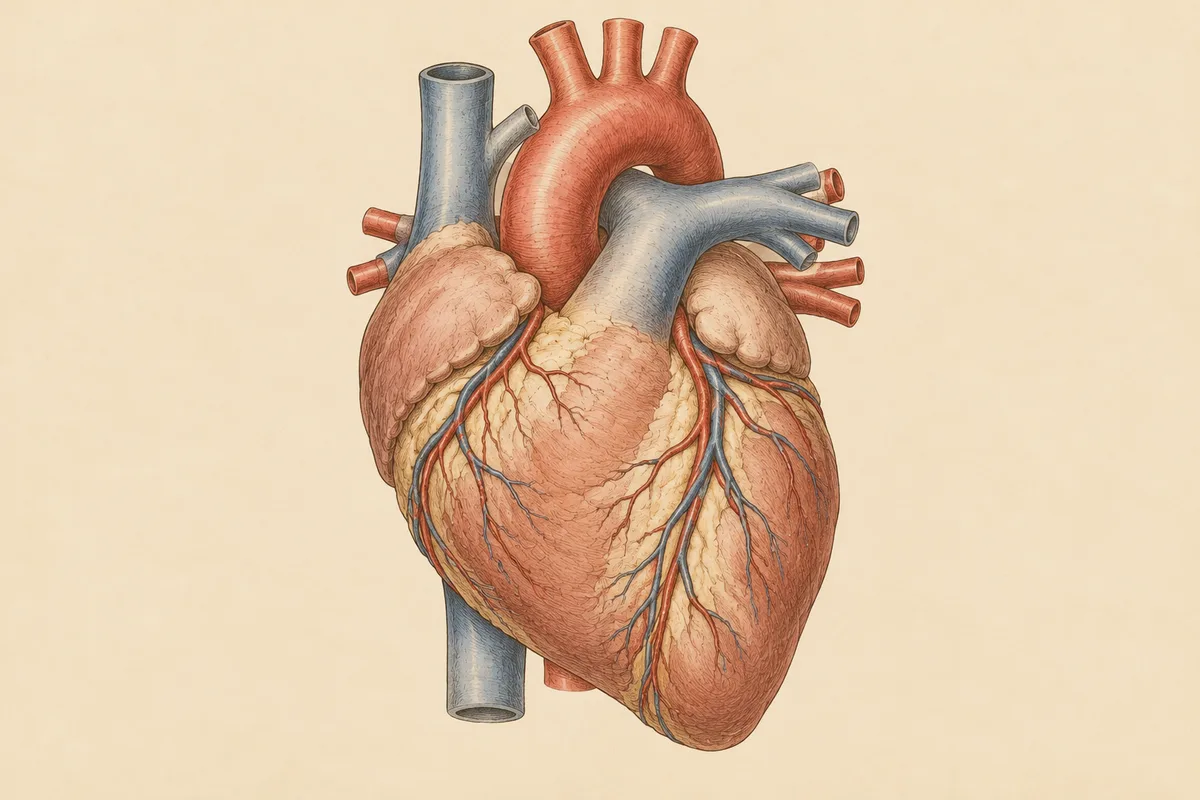
Drag to turn. Pinch or use the mouse wheel to zoom. Tap a part to see what it does.
Questions people ask
How many times does the heart beat in a day?
About 100,000 times. At rest, an adult has 60 to 100 beats per minute. Children’s hearts beat faster, and during exercise the beat speeds up to bring more oxygen to the muscles.
Is the heart on the left side?
It sits in the middle of the chest, behind the breastbone, with its tip pointing left. Because the left ventricle is the strongest, the beat is felt more on that side.
How many chambers does the heart have?
Four: right atrium, right ventricle, left atrium and left ventricle. The atria sit on top and receive blood; the ventricles sit below and pump it.
What makes the heart’s "lub-dub" sound?
It is the valves closing. "Lub" comes from the tricuspid and mitral valves, between atria and ventricles. "Dub" comes from the pulmonary and aortic valves, at the heart’s exits.
What is the difference between an artery and a vein?
Arteries carry blood away from the heart; veins bring it back. Arteries have thicker walls because they handle more pressure. The rule is about direction, not oxygen: the pulmonary artery carries oxygen-poor blood.
What is a heart attack?
It is when a coronary artery, which supplies the heart itself, gets blocked. The part of the muscle it feeds runs out of oxygen and starts to die. It is an emergency: severe chest pain needs immediate medical care.
Sources
This text was written using these references:
- Heart · National Cancer Institute (SEER Training)
- Cardiovascular System · National Cancer Institute (SEER Training)
This content has not been medically reviewed.