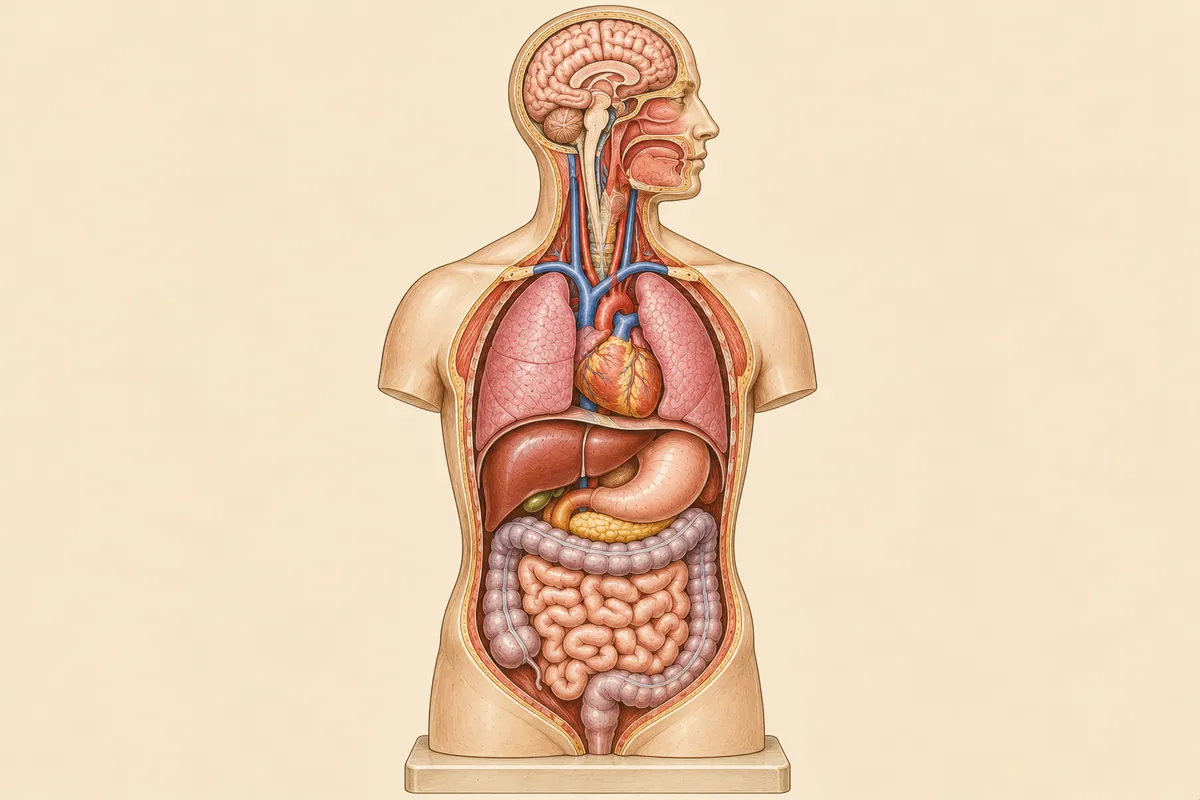
 The whole body
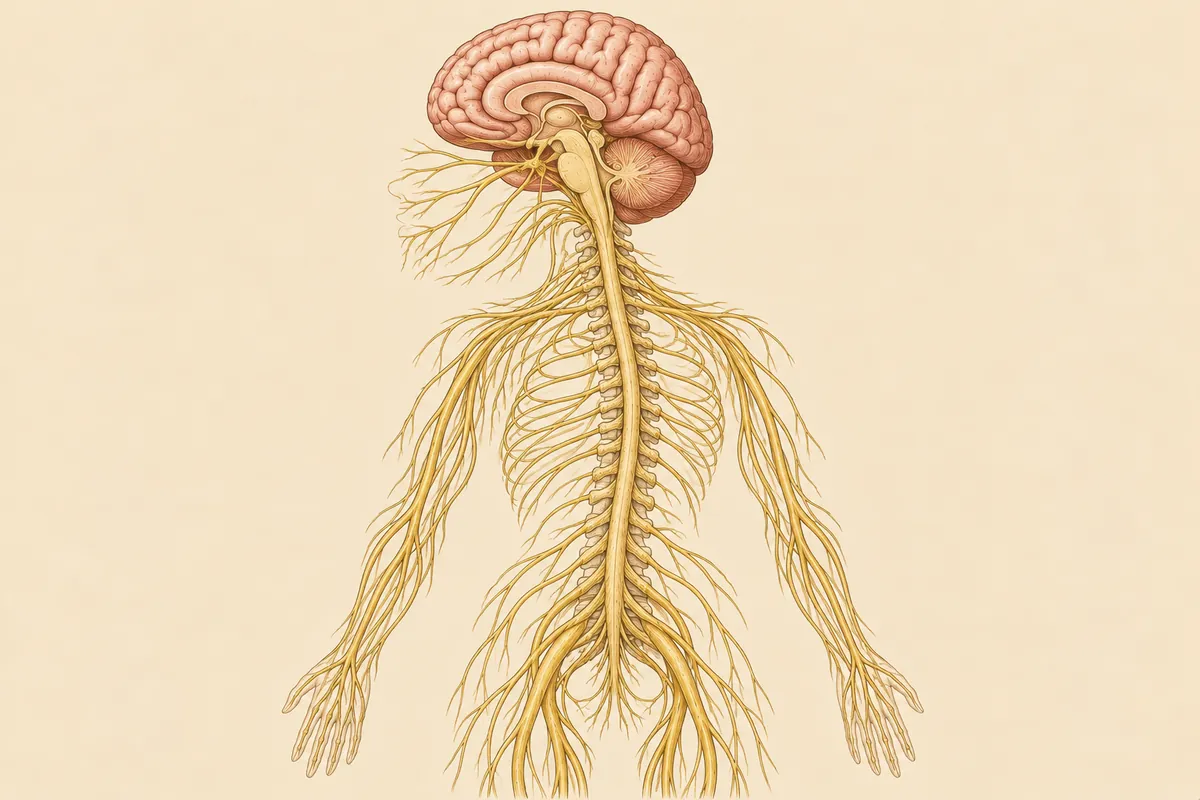 Nervous system
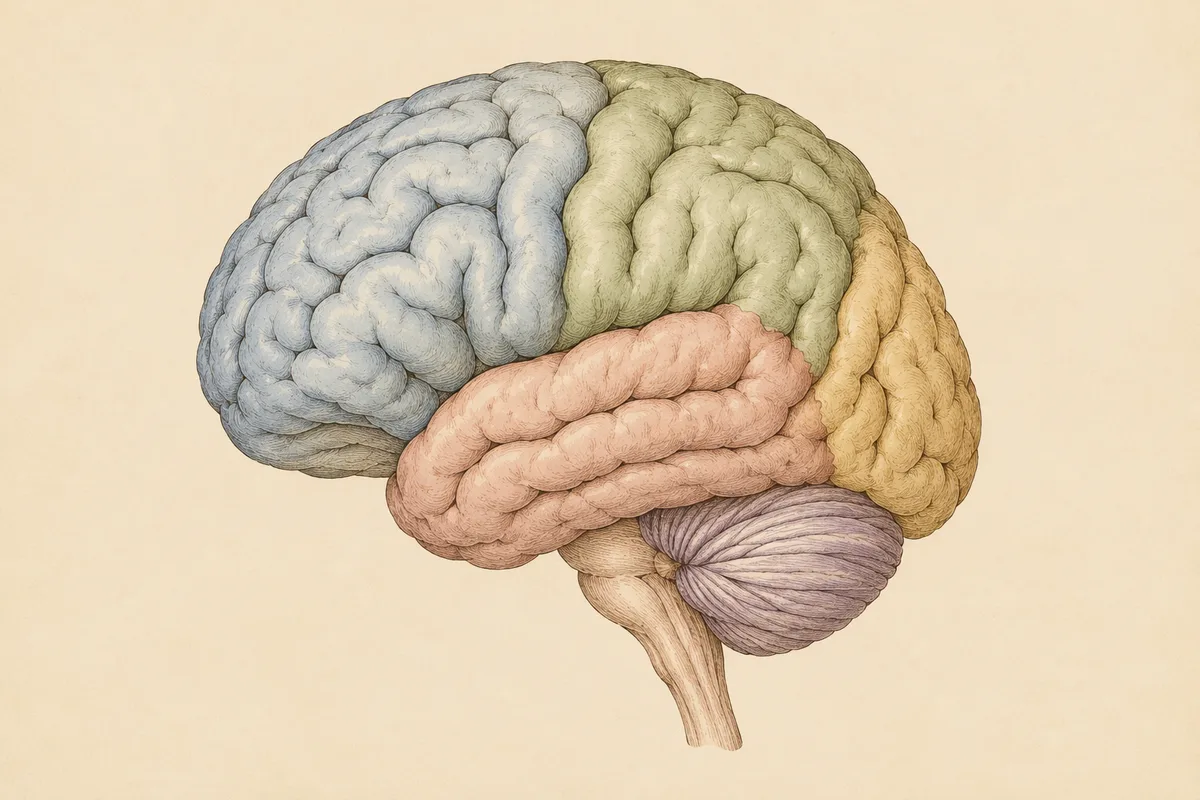 Brain
Brain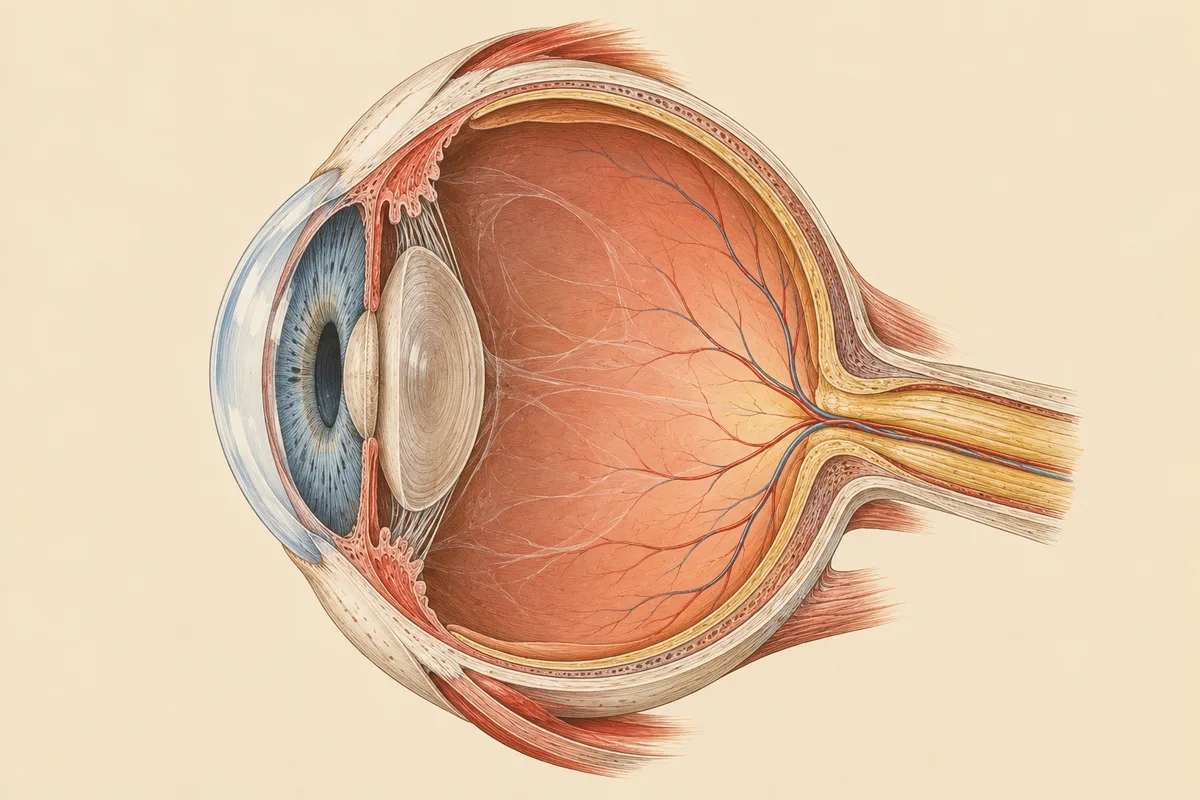 Eye
Eye Nose
Nose Mouth and teeth
 Skin and touch
 Heart
Heart Blood and circulation
 Spleen
 Body defenses
 Throat and voice
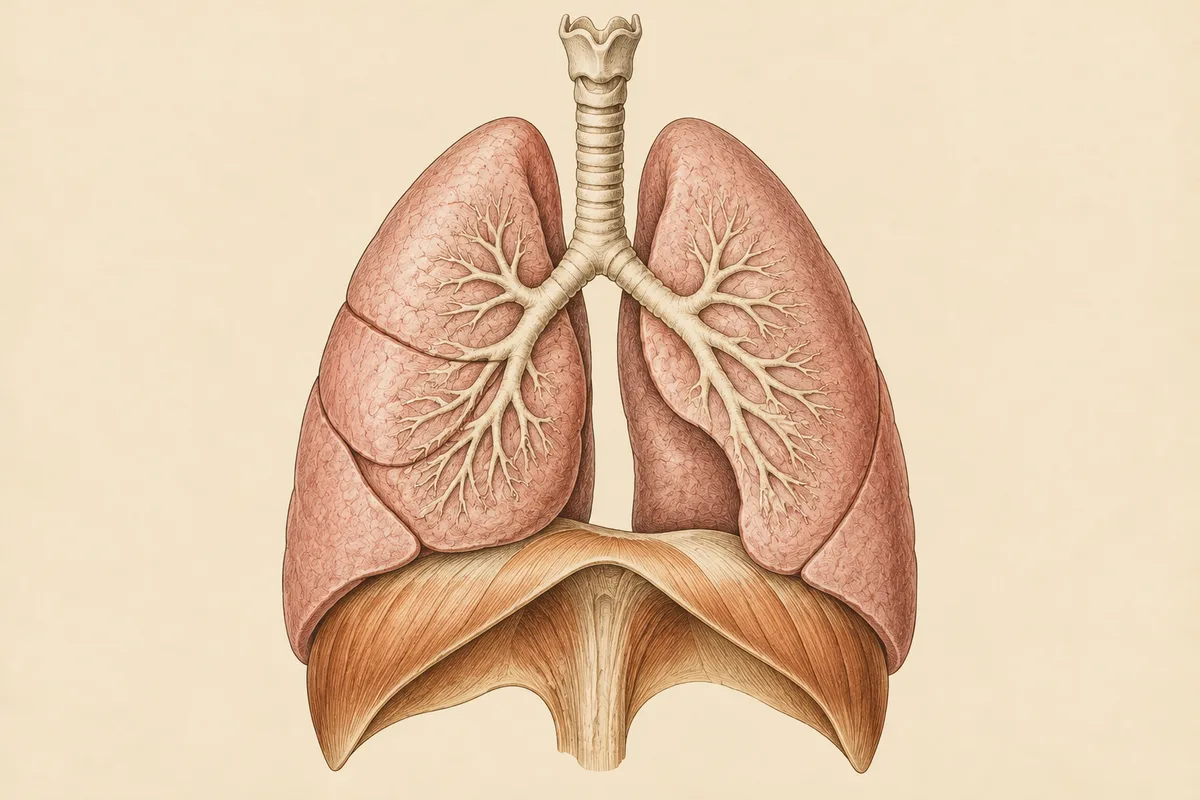 Lungs
Lungs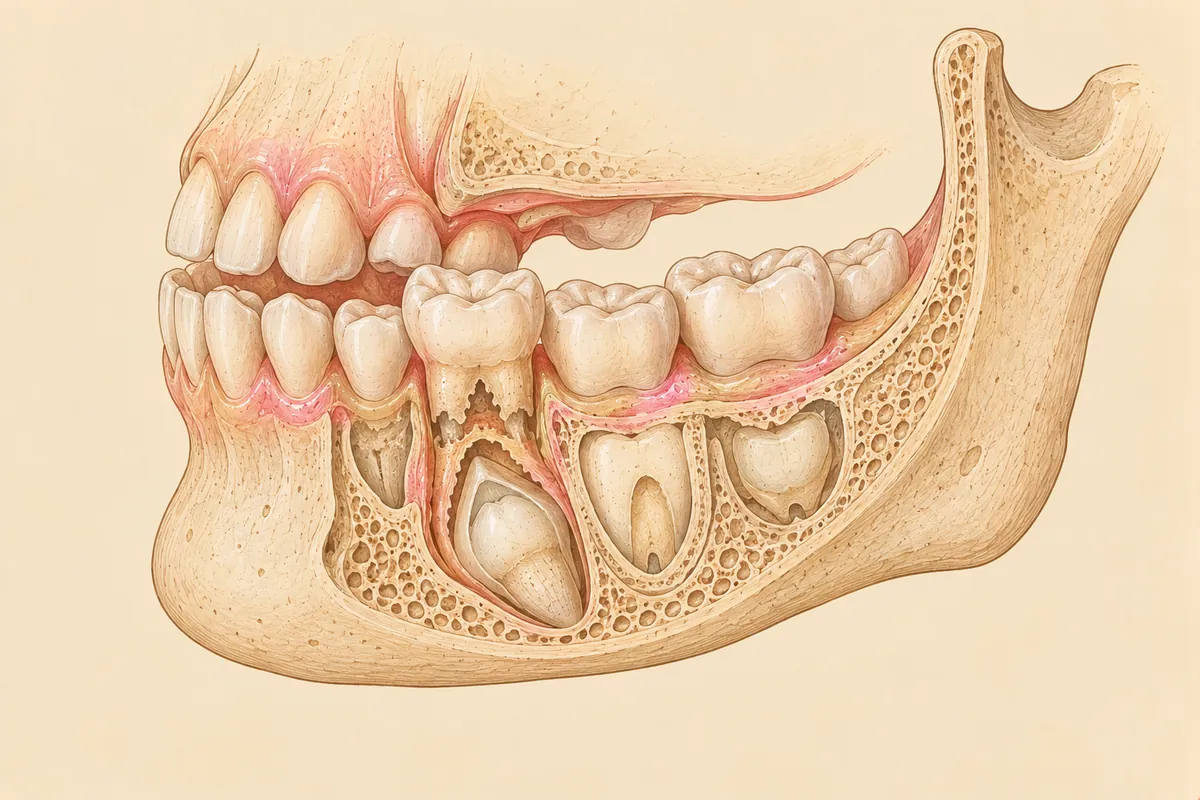 Baby teeth
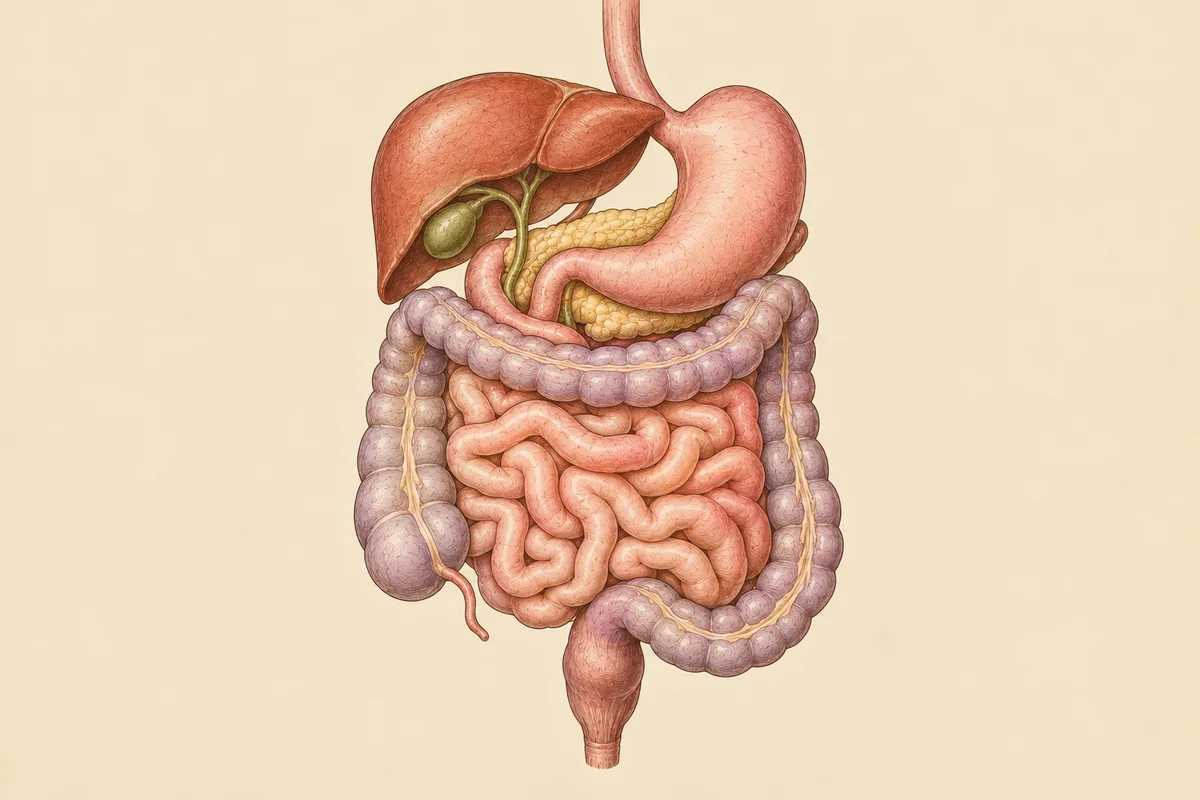 Digestion
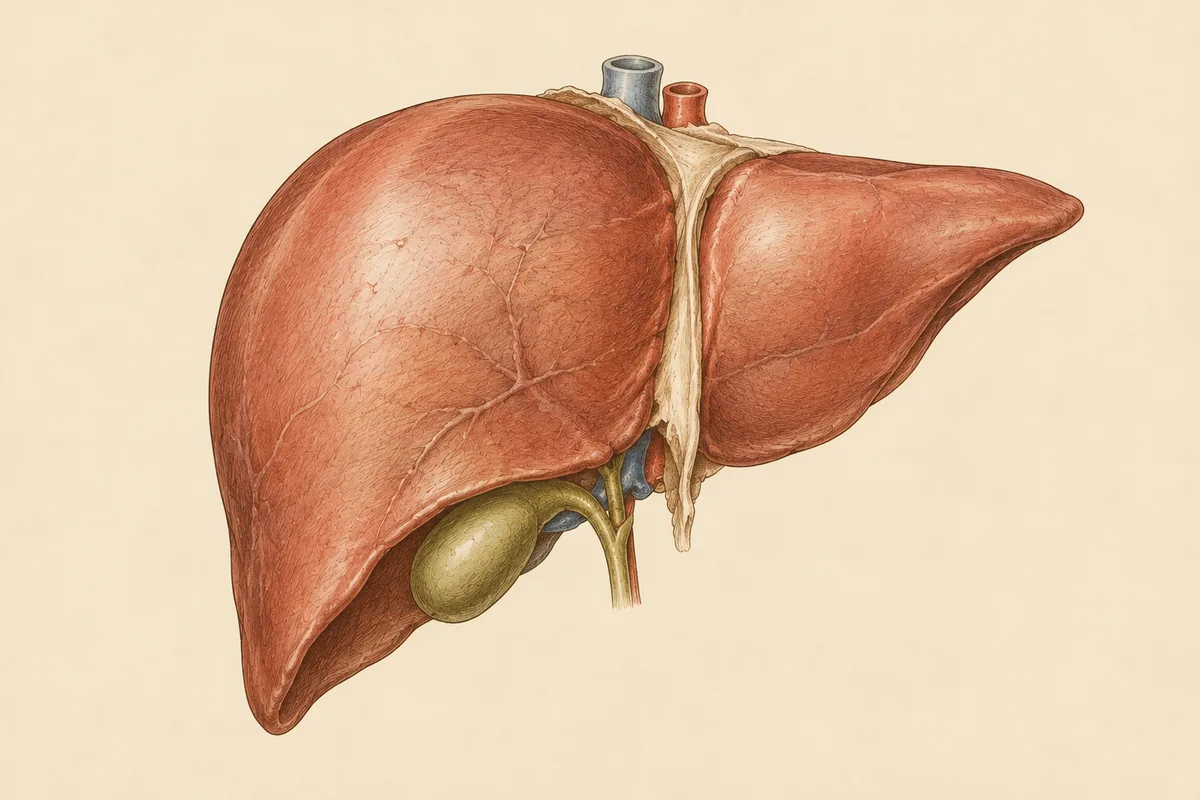 Liver
Liver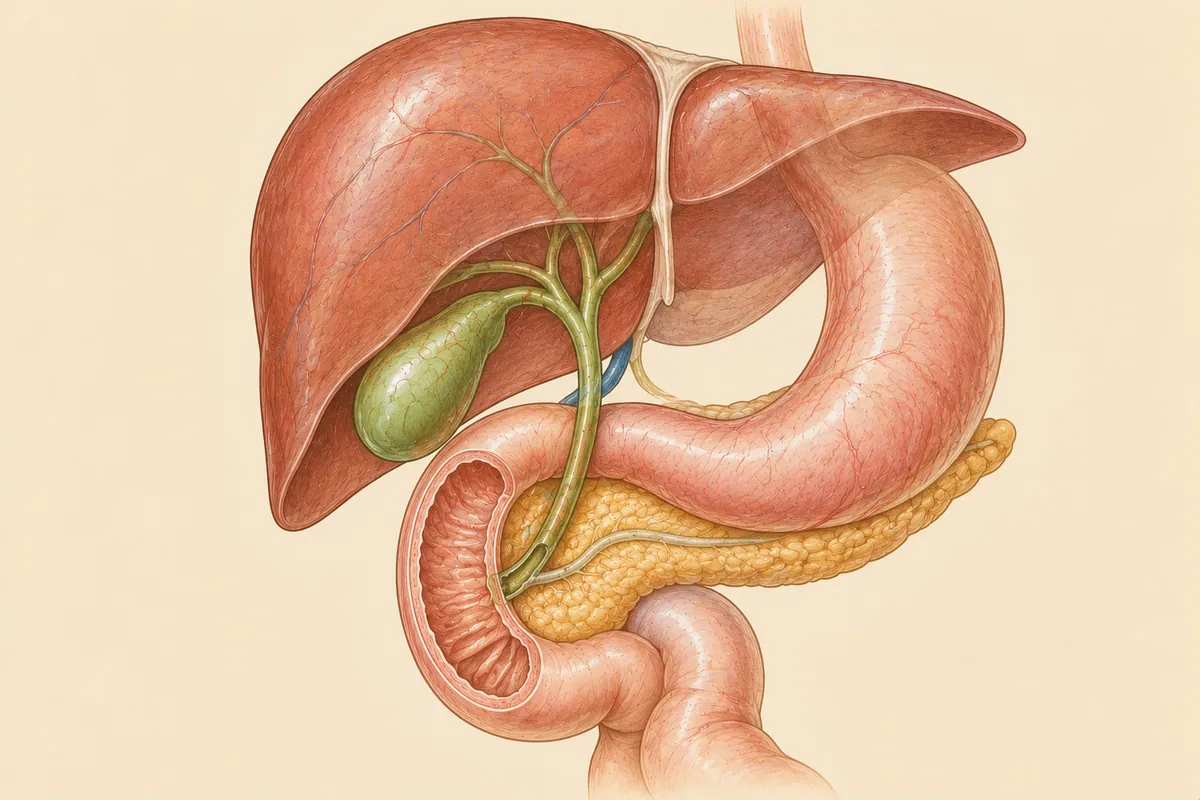 Gallbladder
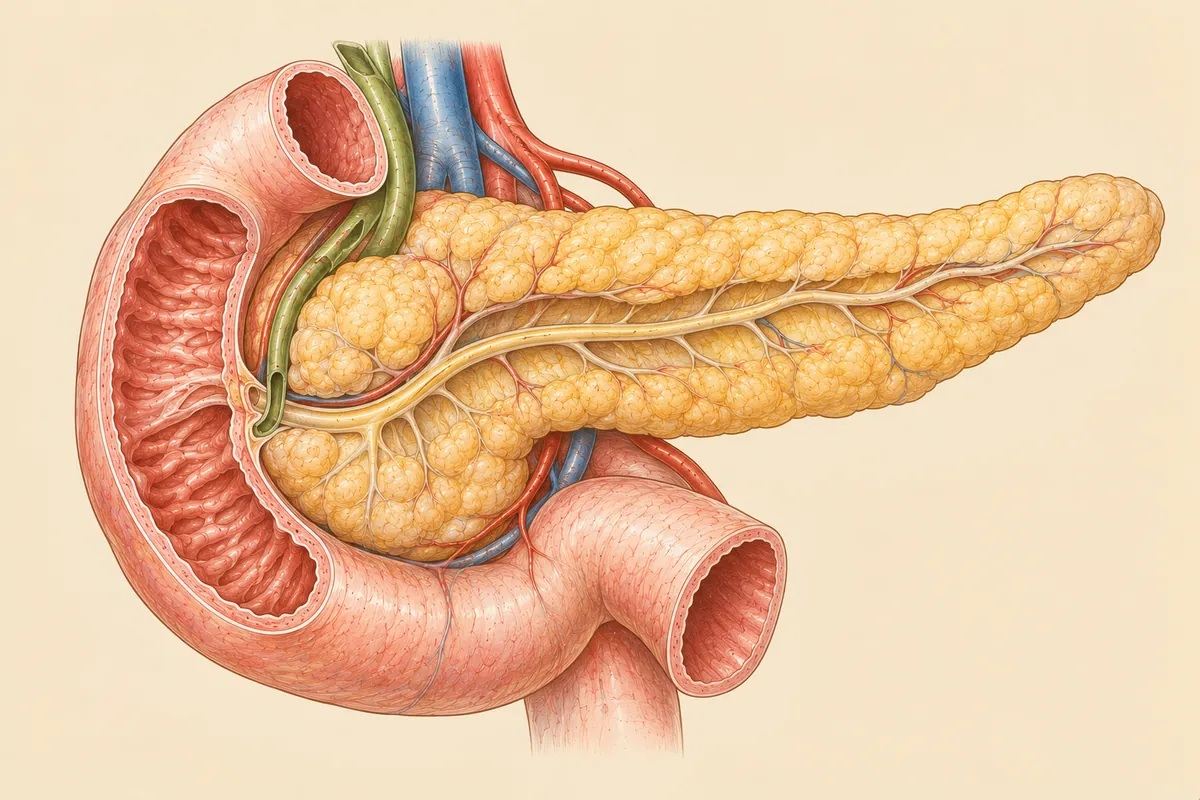 Pancreas
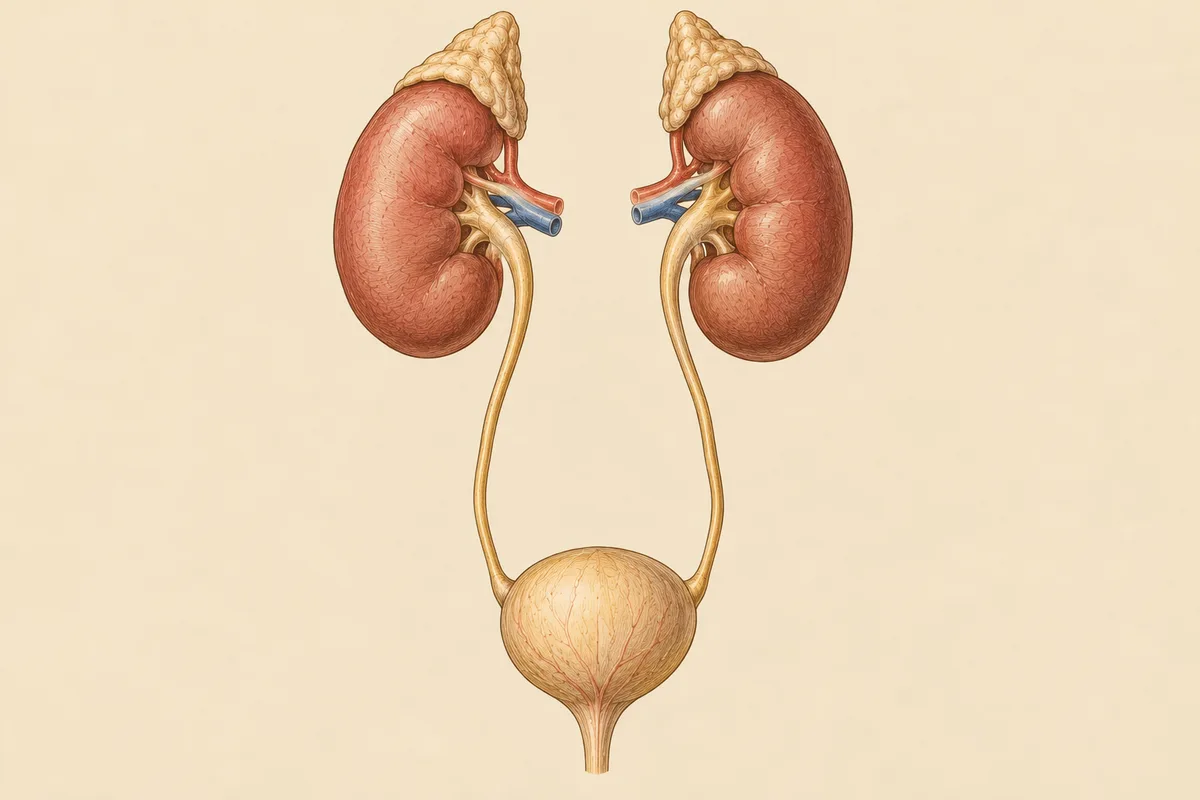 Kidneys
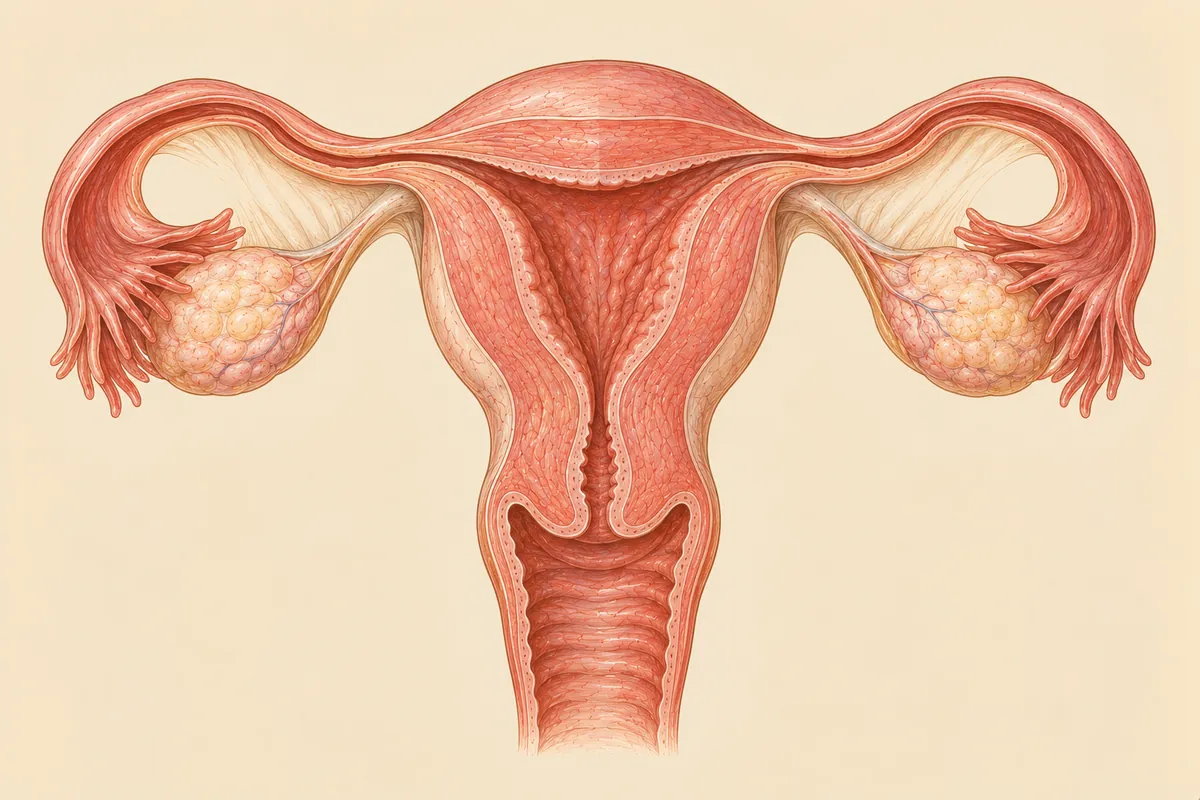 Reproductive system
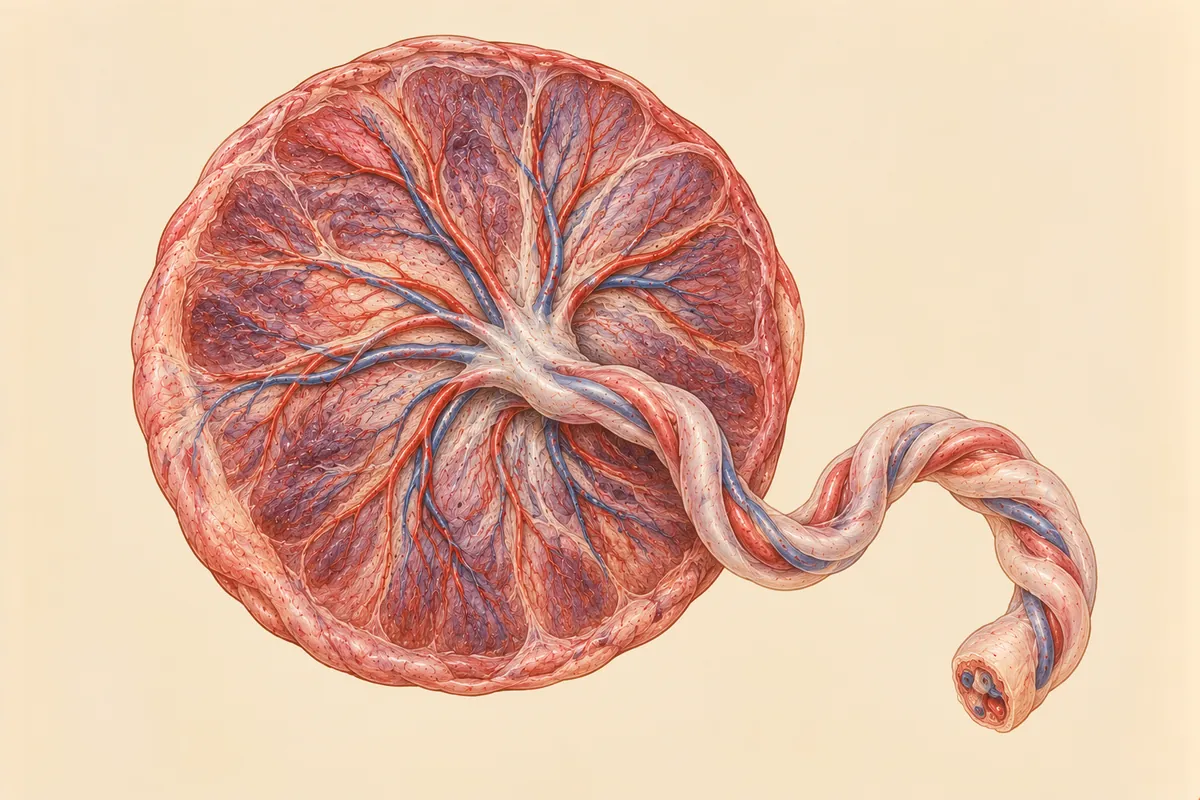 Pregnancy
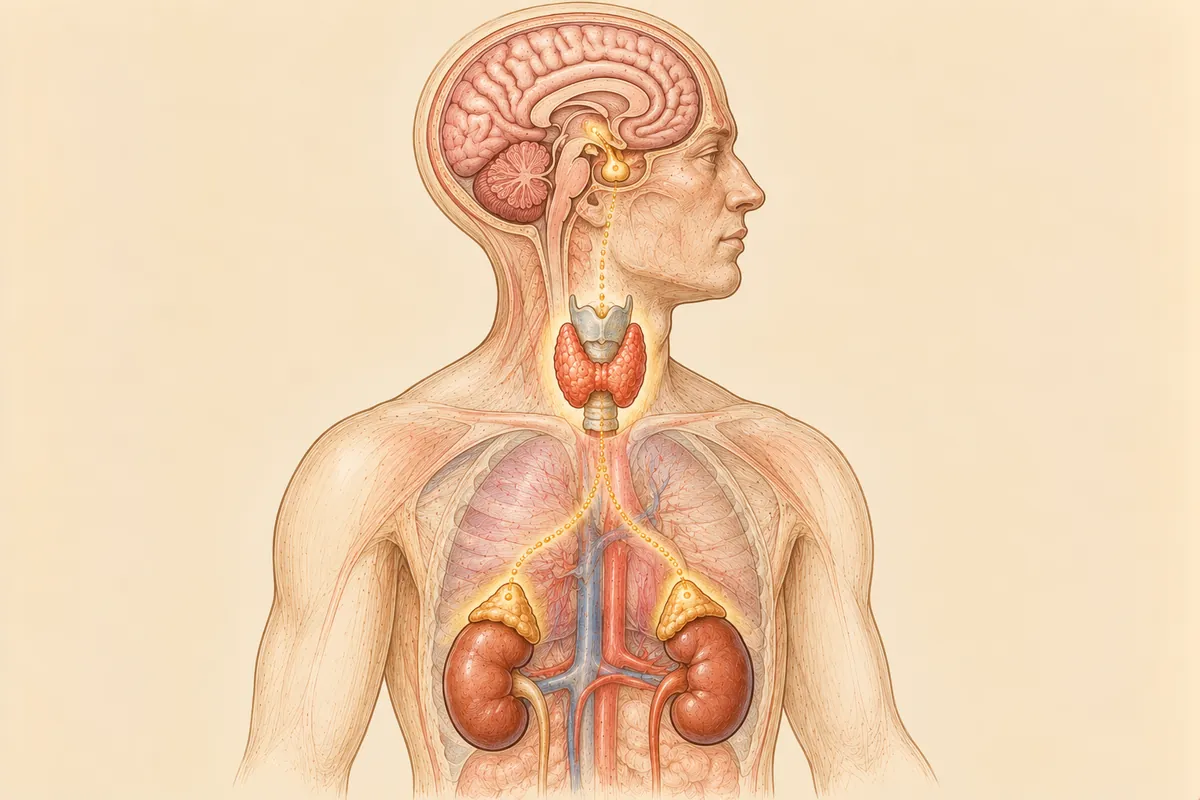 Glands and hormones
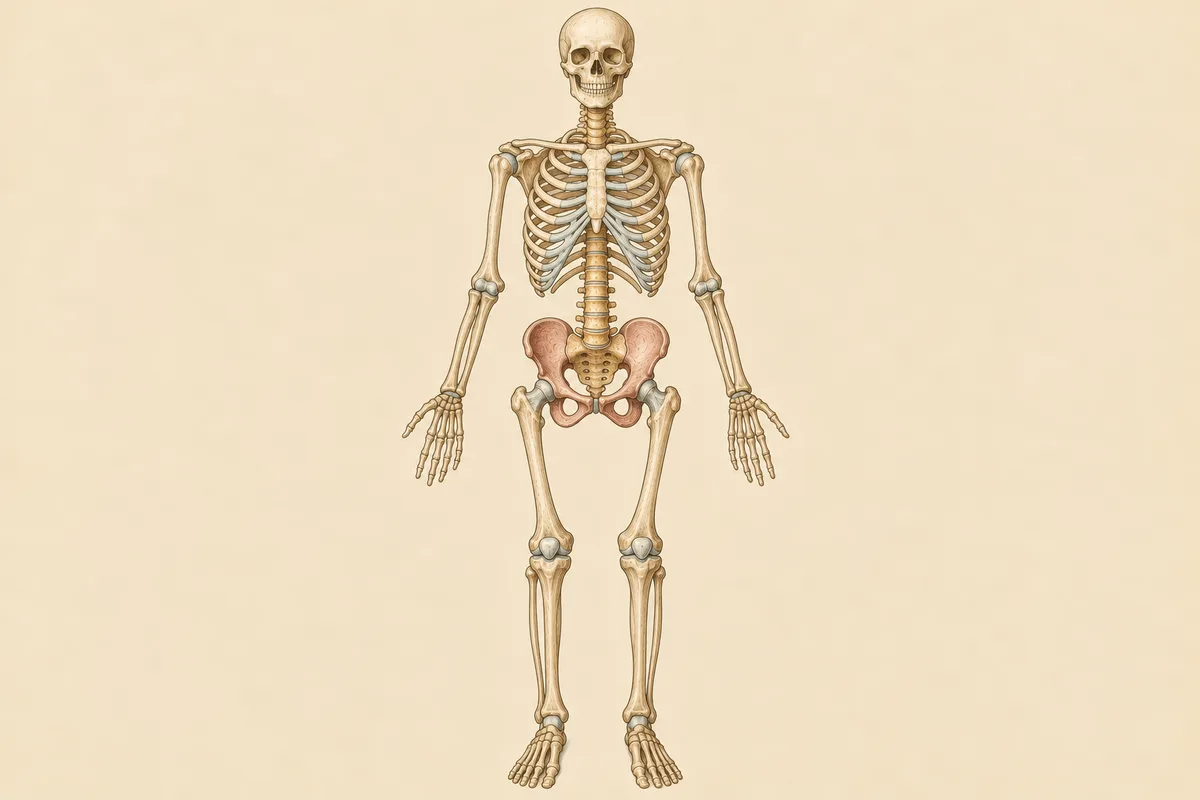 Skeleton
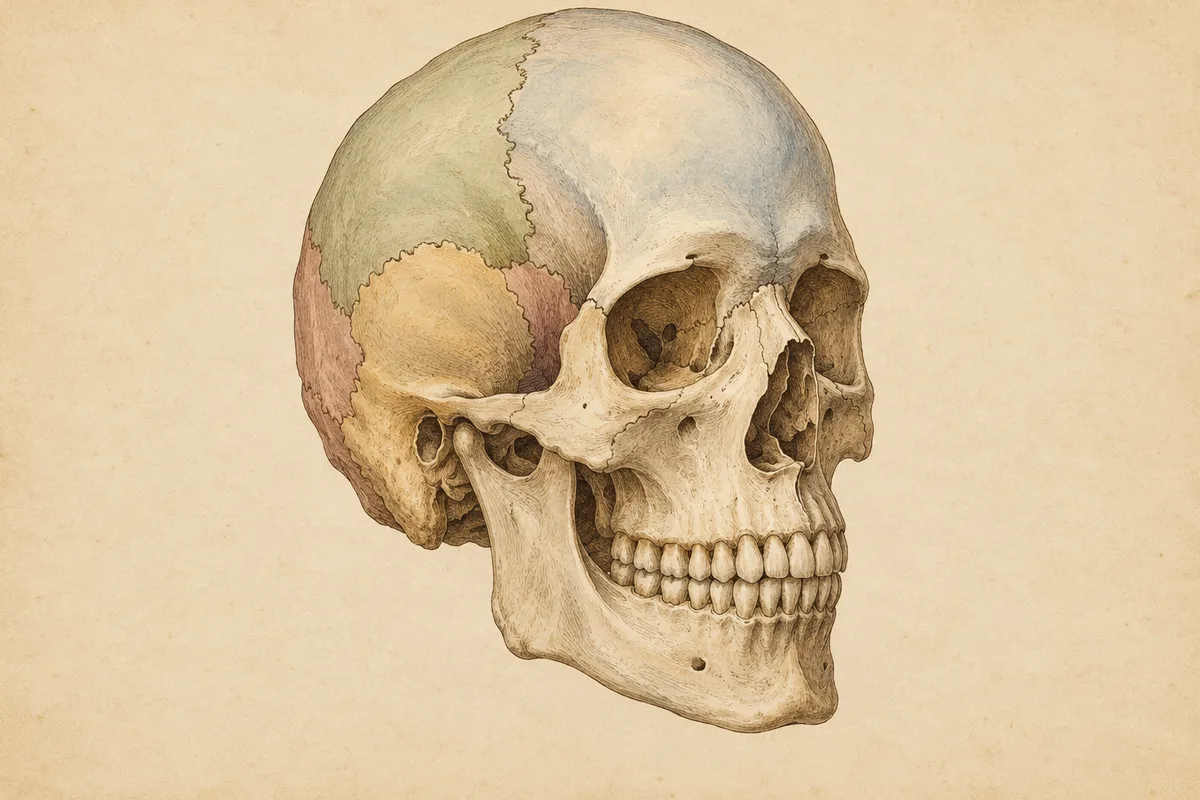 Skull
Skull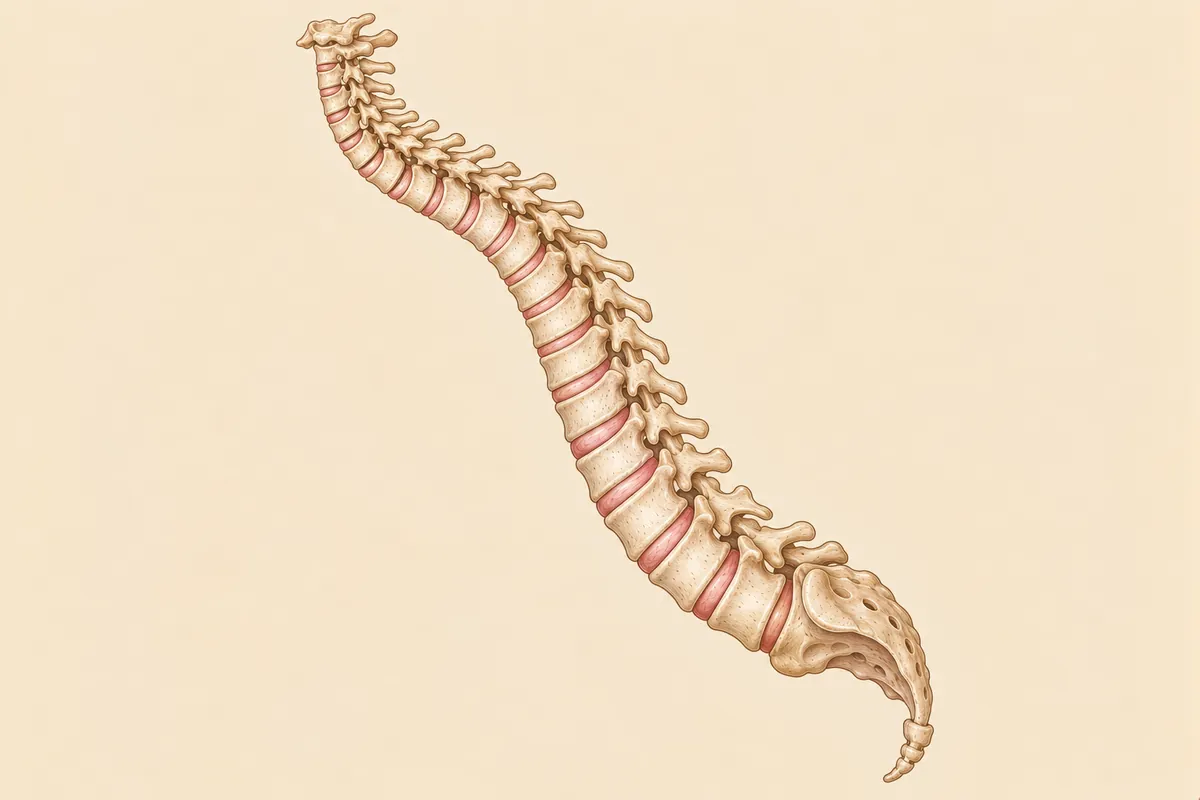 Spine
Spine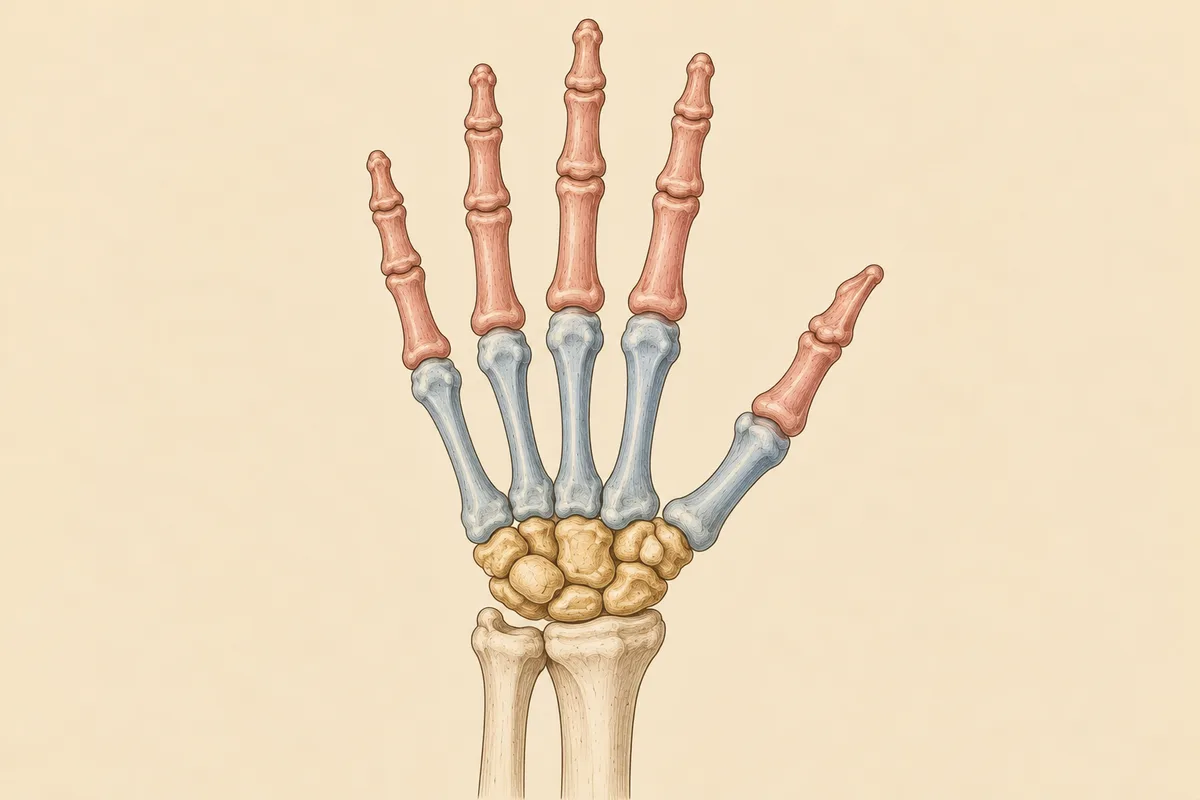 Hand
Hand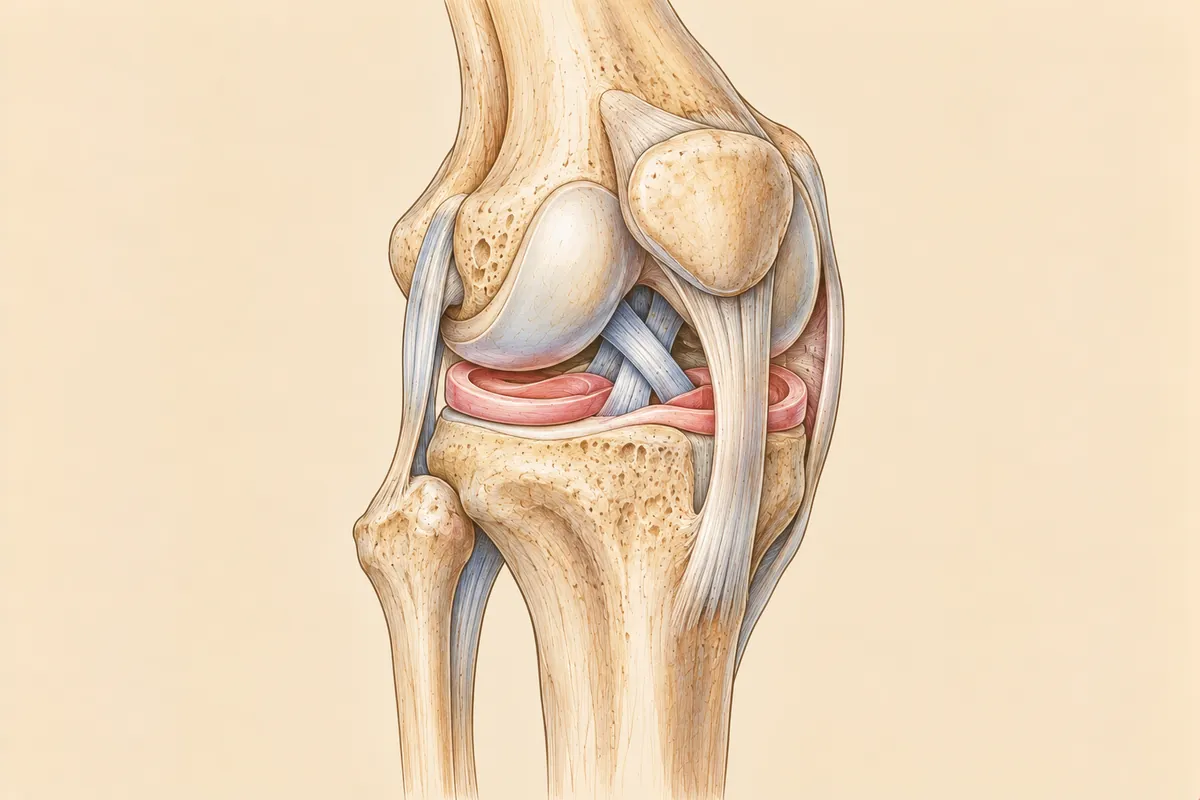 Knee
Knee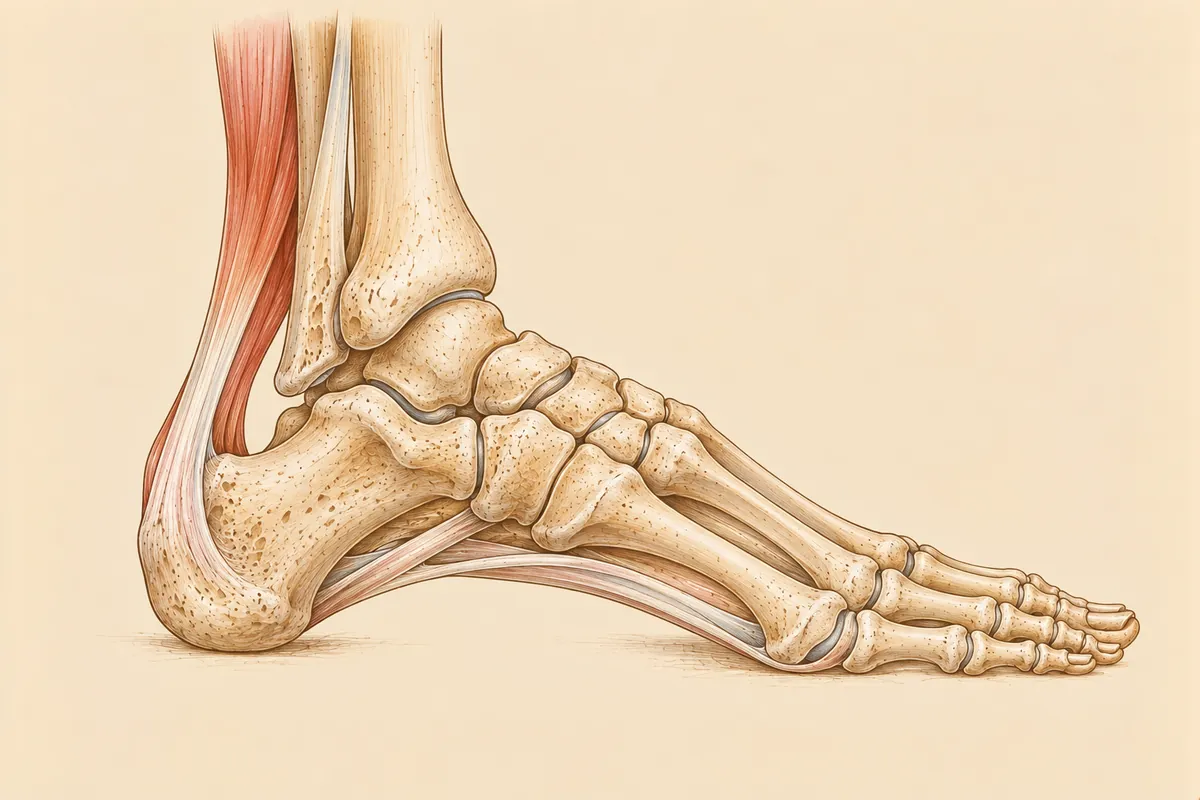 Foot
Foot Muscles
How do we hear?
Sound is a vibration in the air. The outer ear gathers it and sends it down the canal to the eardrum, a thin skin that vibrates. Three tiny bones pass the vibration to the snail-shaped cochlea, which turns it into signals for the brain. The ear also looks after your balance.
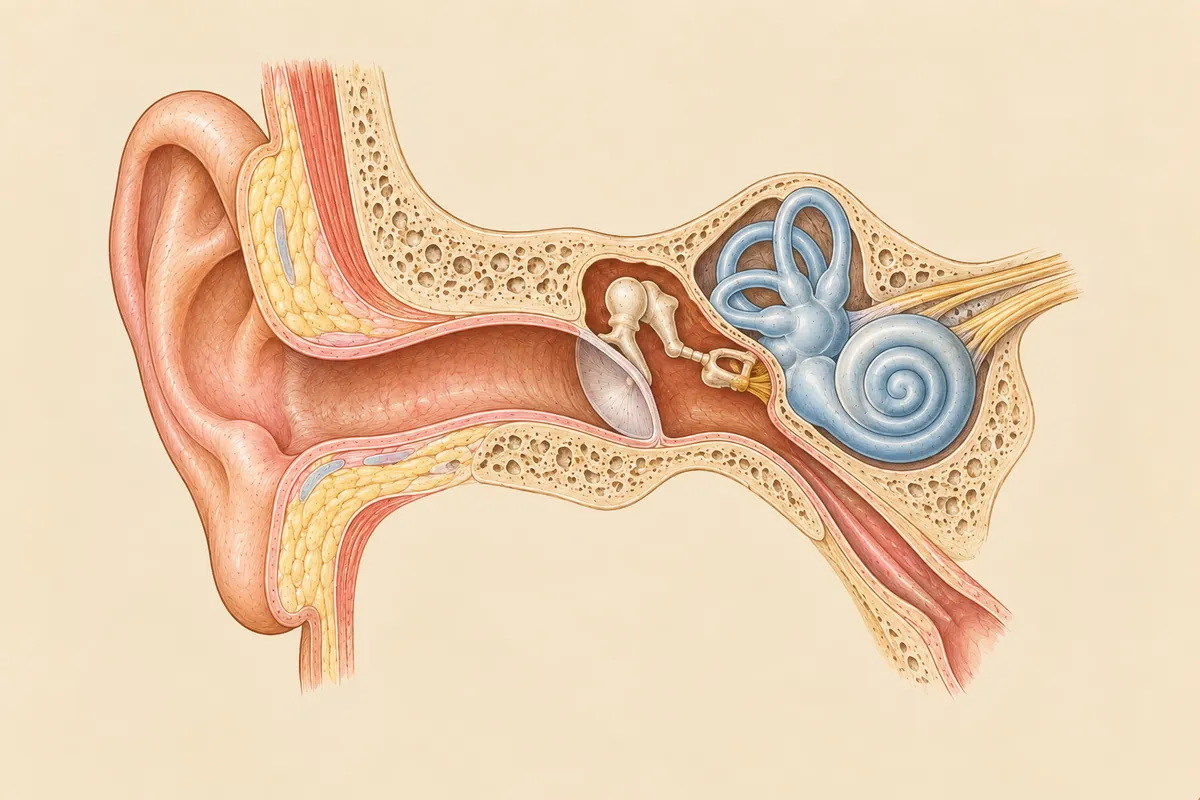
Drag to turn. Pinch or use the mouse wheel to zoom. Tap a part to see what it does.
Questions people ask
Why do your ears block on a plane?
Behind the eardrum is air, linked to the throat by a little tube (Eustachian tube). When pressure changes quickly, the eardrum gets stretched. Swallowing, yawning or chewing opens the tube and evens the pressure.
How does the ear help with balance?
Inside the temporal bone are fluid-filled canals; the fluid moves when you move your head. Sensors there tell the brain about your position. When you spin and stop, the fluid keeps moving and you feel dizzy.
Should you clean your ears with cotton swabs?
It is best to clean only the outer ear. Wax leaves the canal on its own, and swabs can push it deeper or hurt the eardrum. If your ear feels blocked, see a doctor.
Can loud noise hurt your hearing?
Yes. Very loud or long-lasting sounds, like headphones at full volume, can damage the cochlea’s cells, which don’t grow back. A good rule is to keep the volume below half and take breaks.
Sources
This text was written using these references:
- How Do We Hear? · National Institute on Deafness and Other Communication Disorders (NIH)
This content has not been medically reviewed.