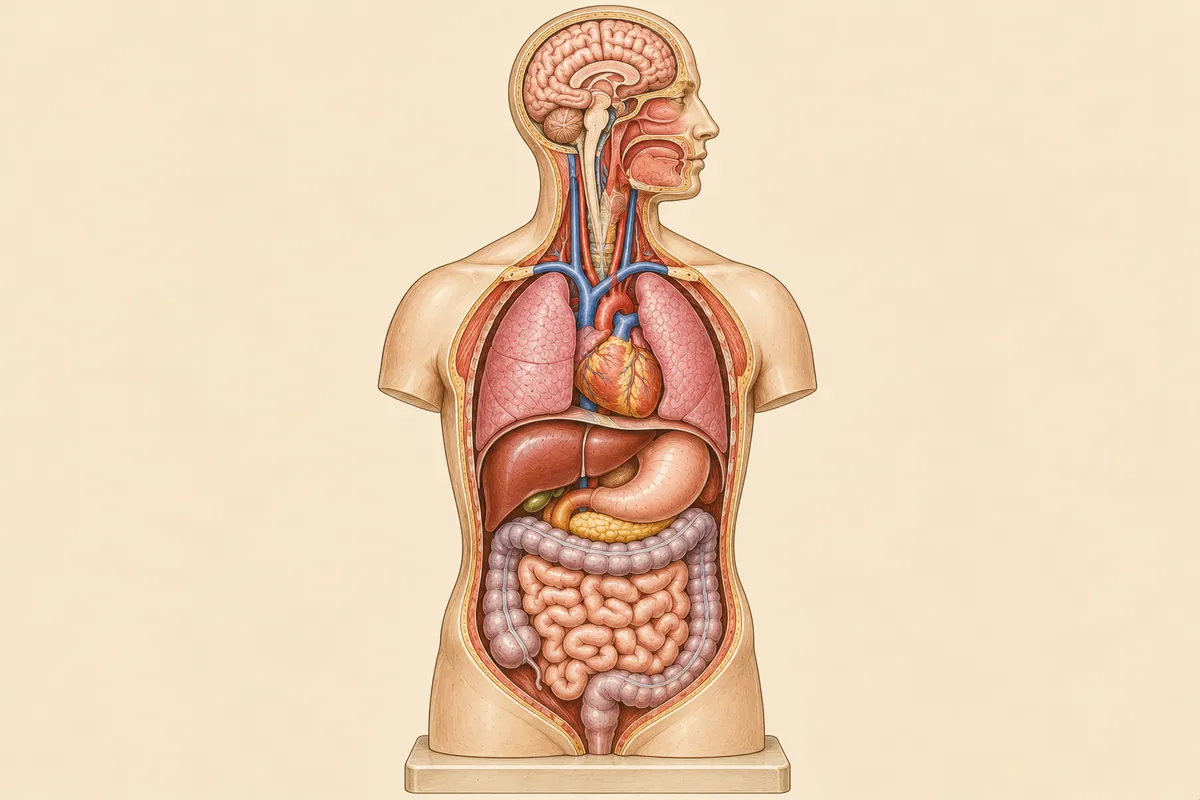
 The whole body
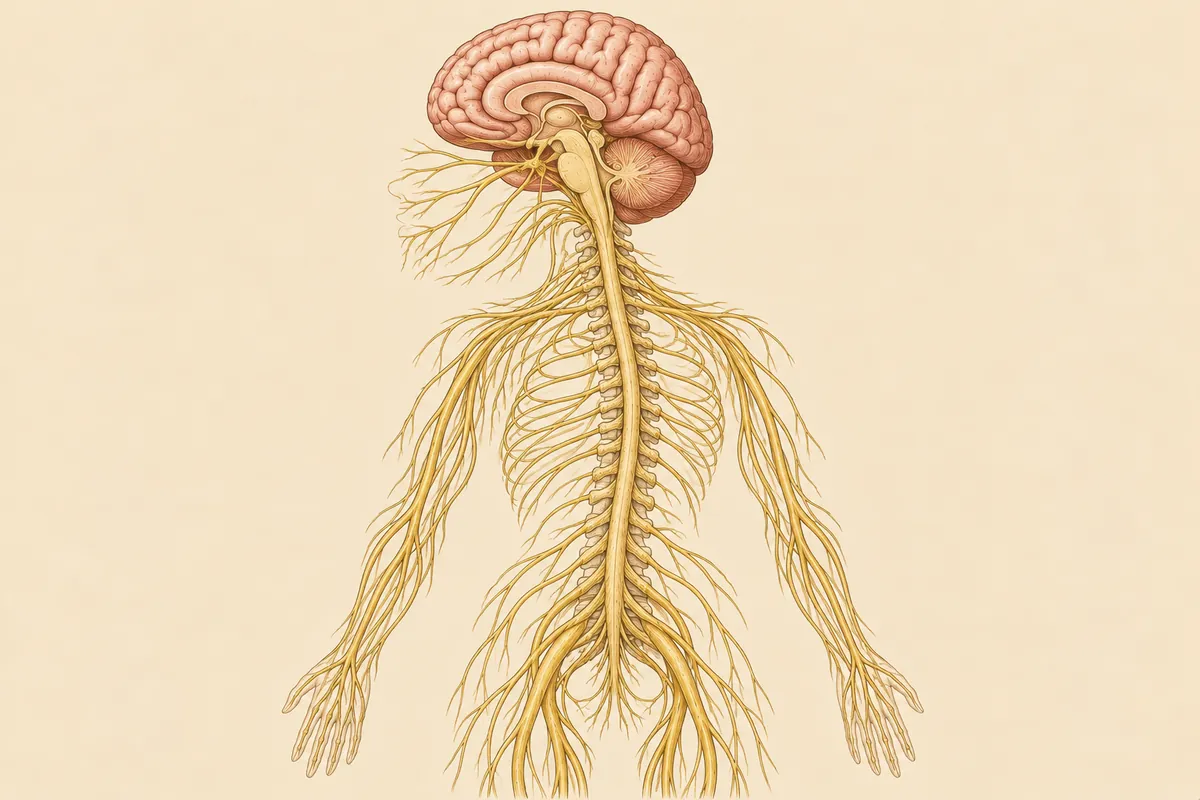 Nervous system
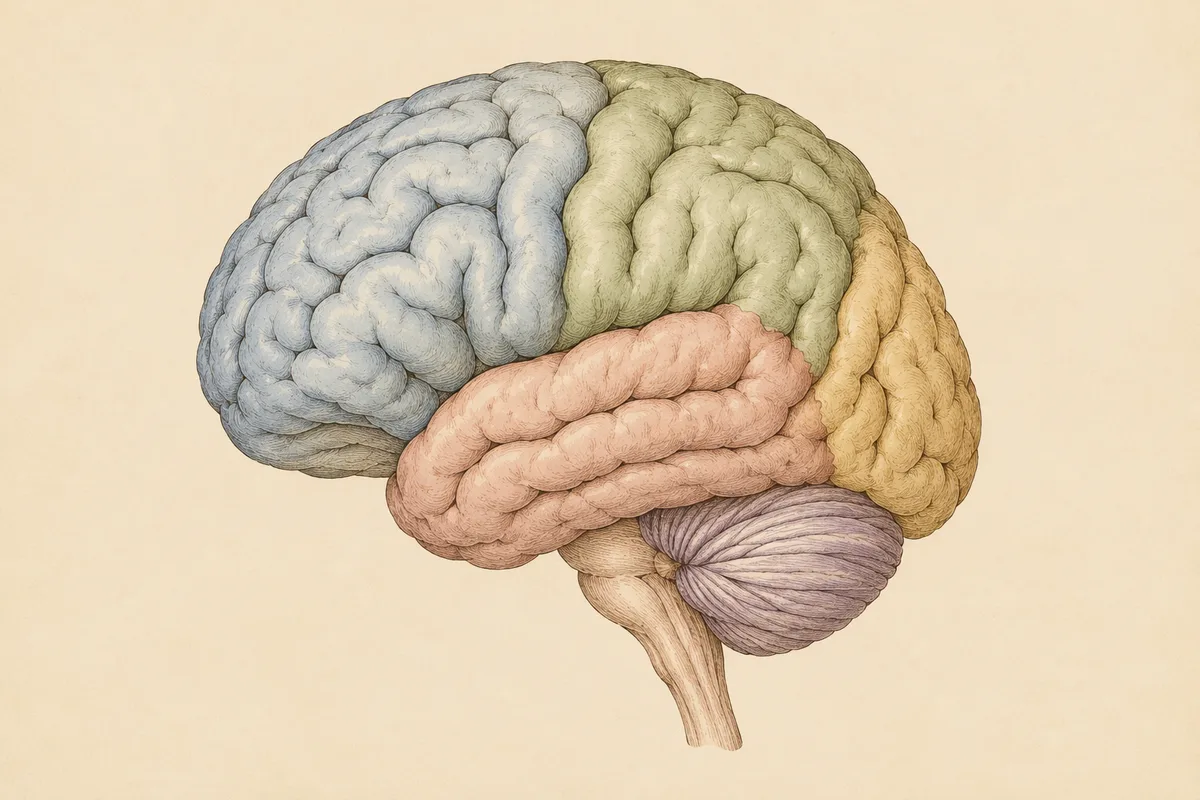 Brain
Brain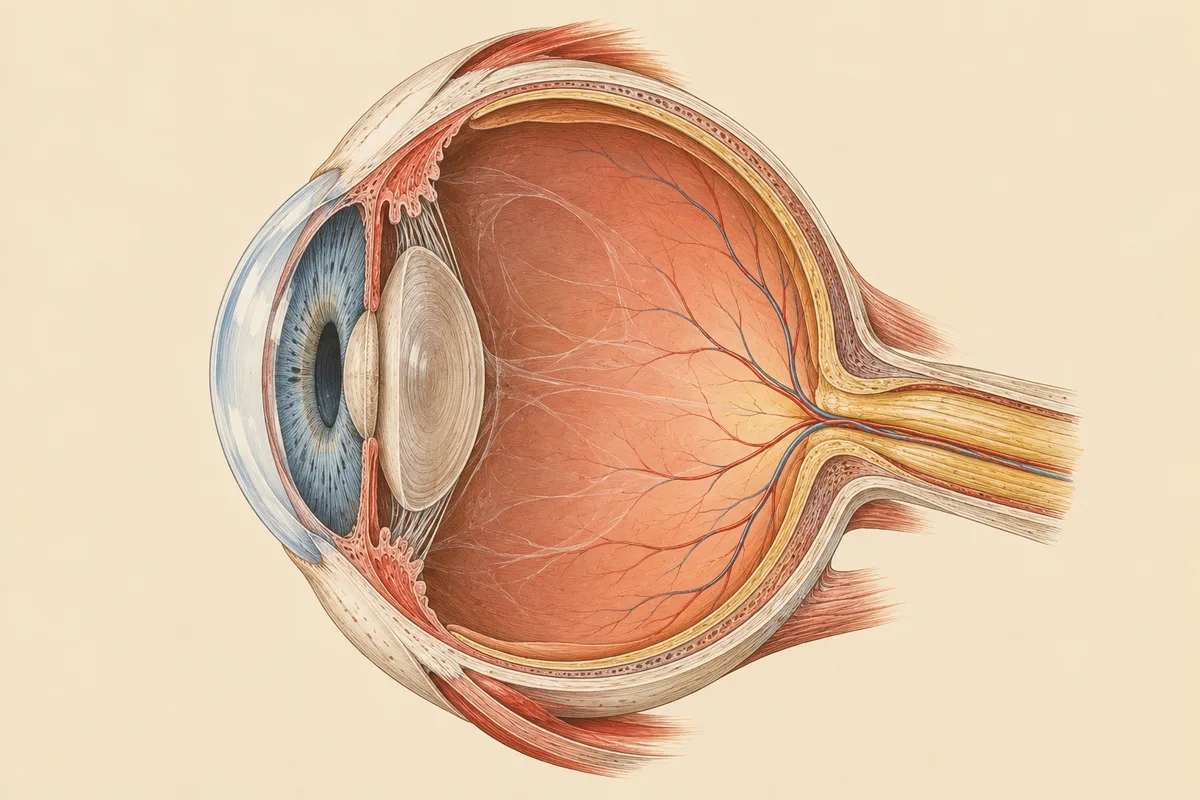 Eye
Eye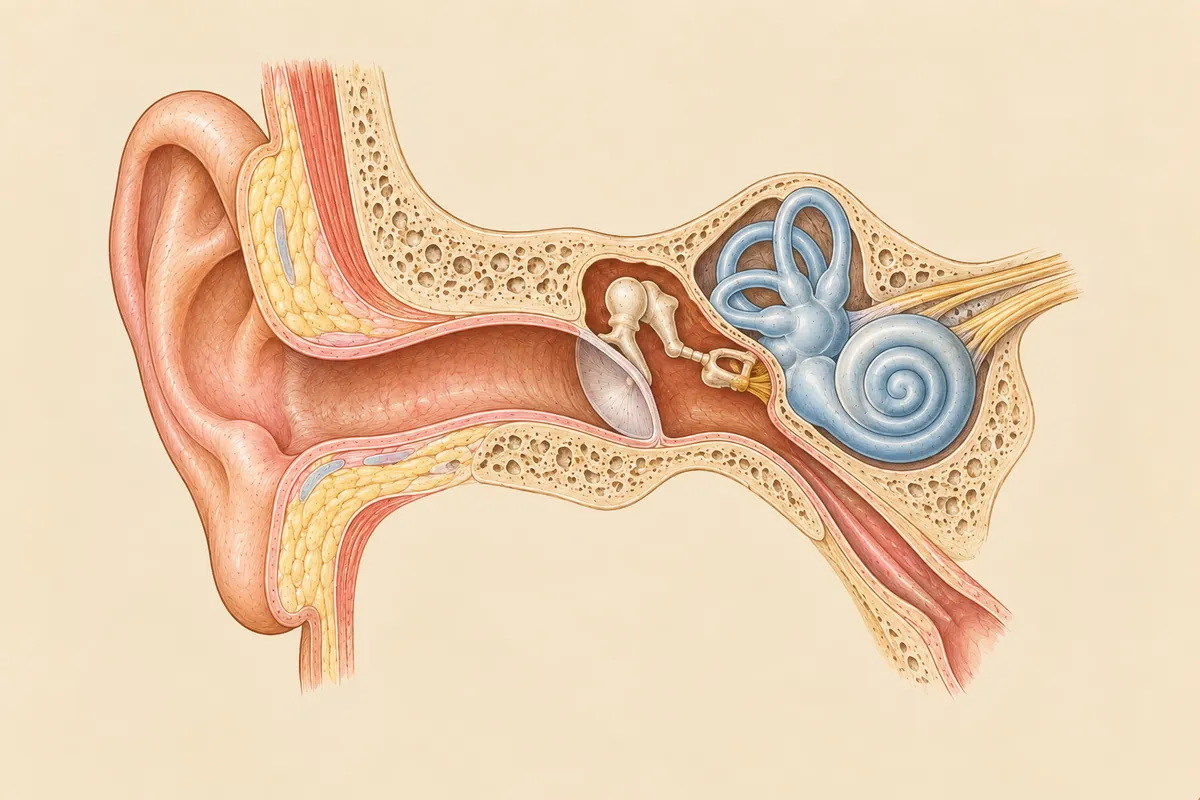 Ear
Ear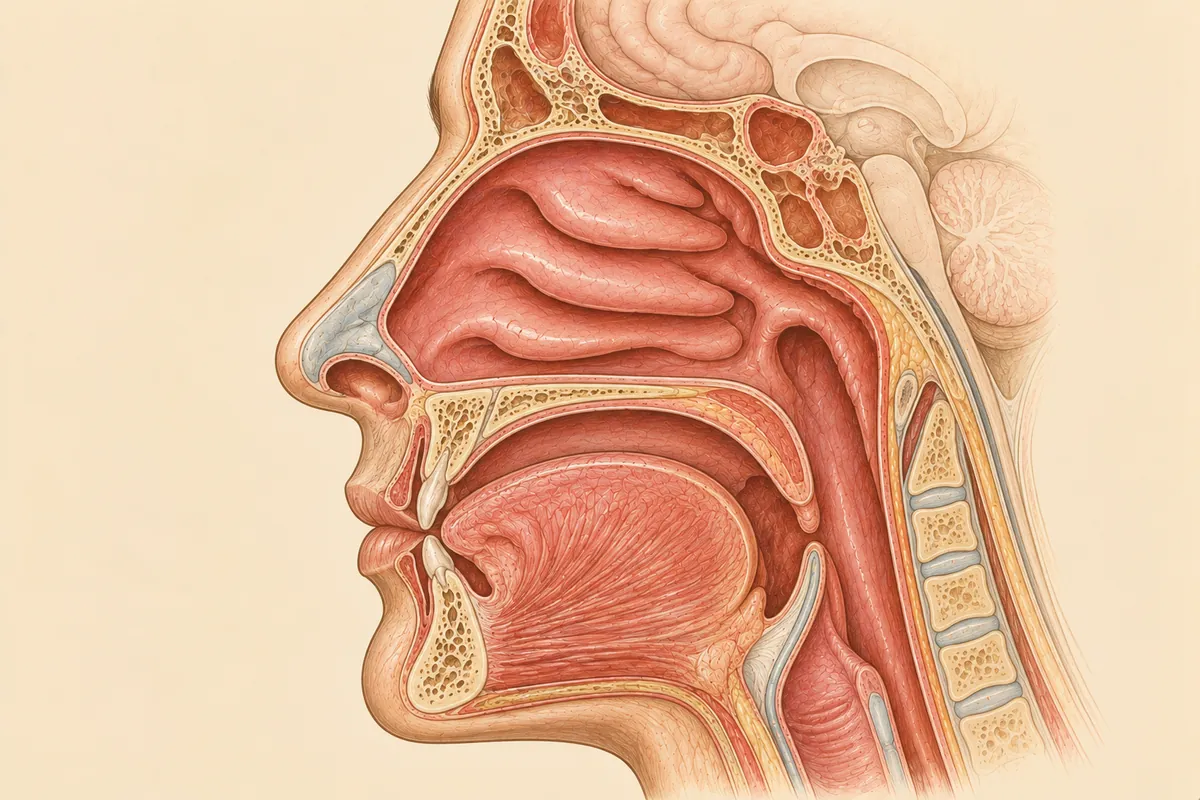 Nose
Nose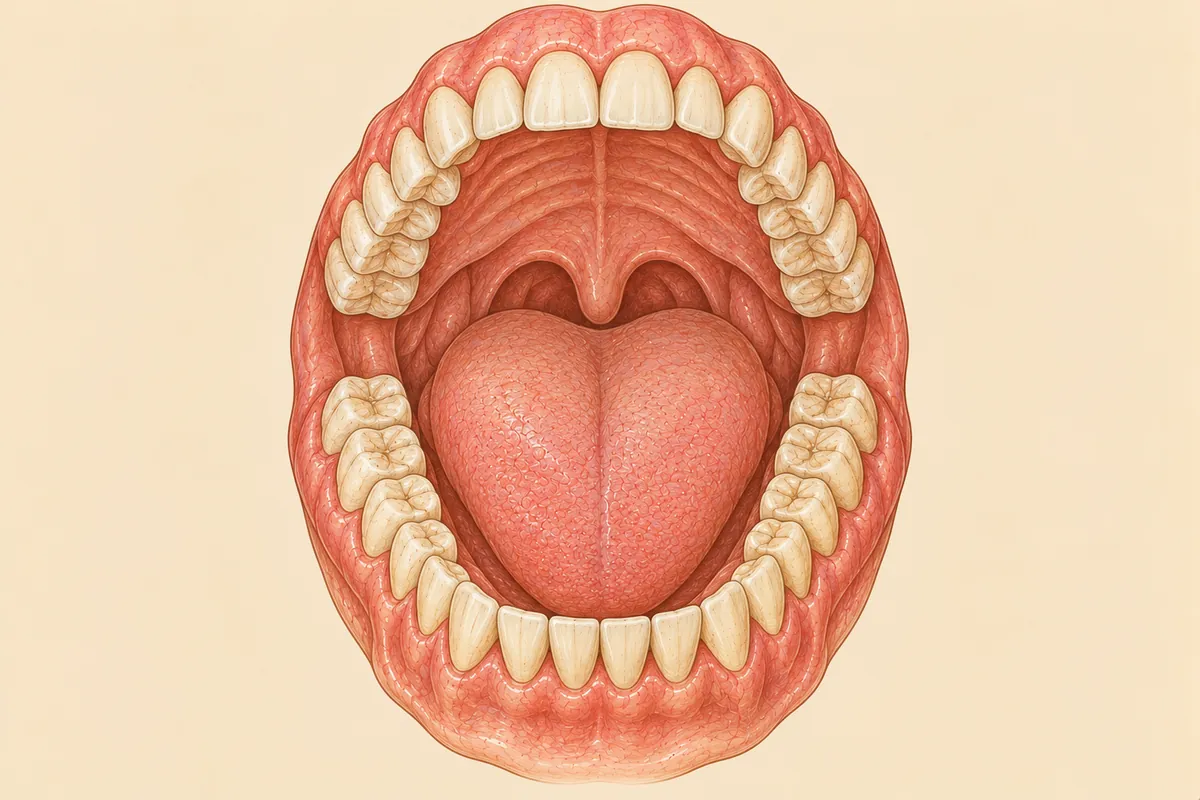 Mouth and teeth
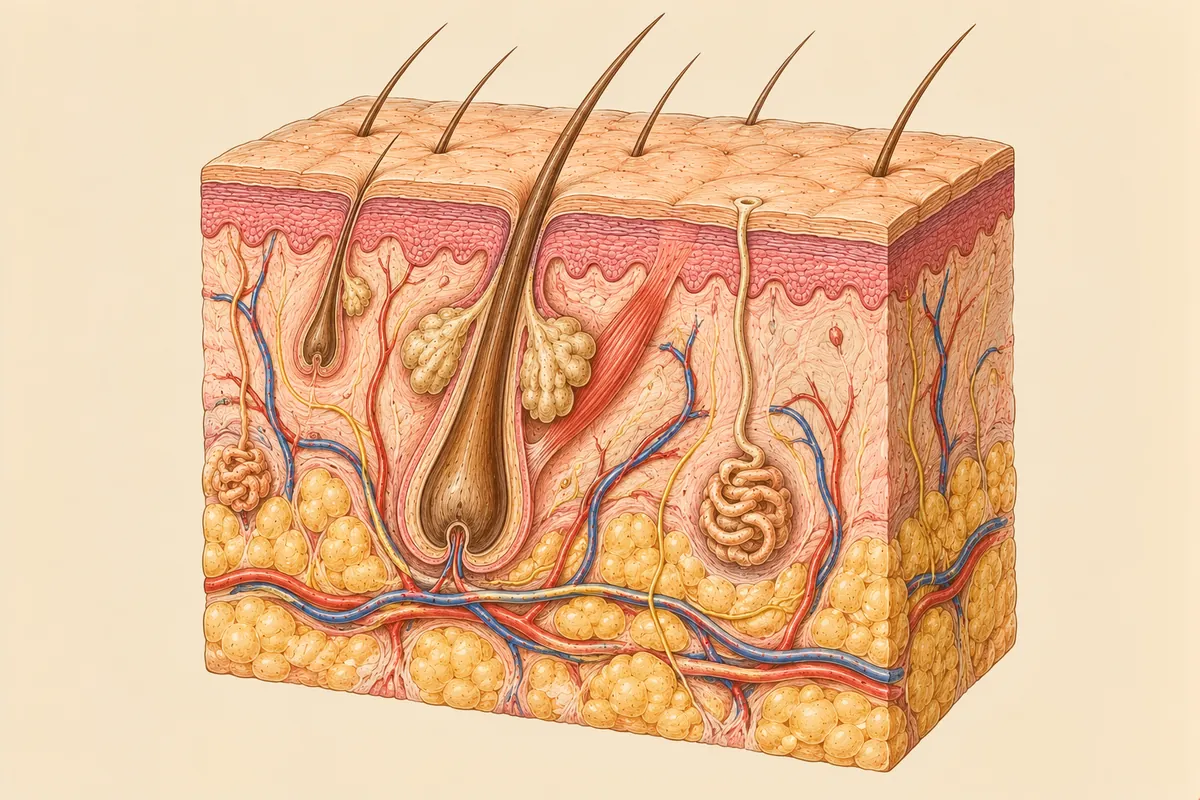 Skin and touch
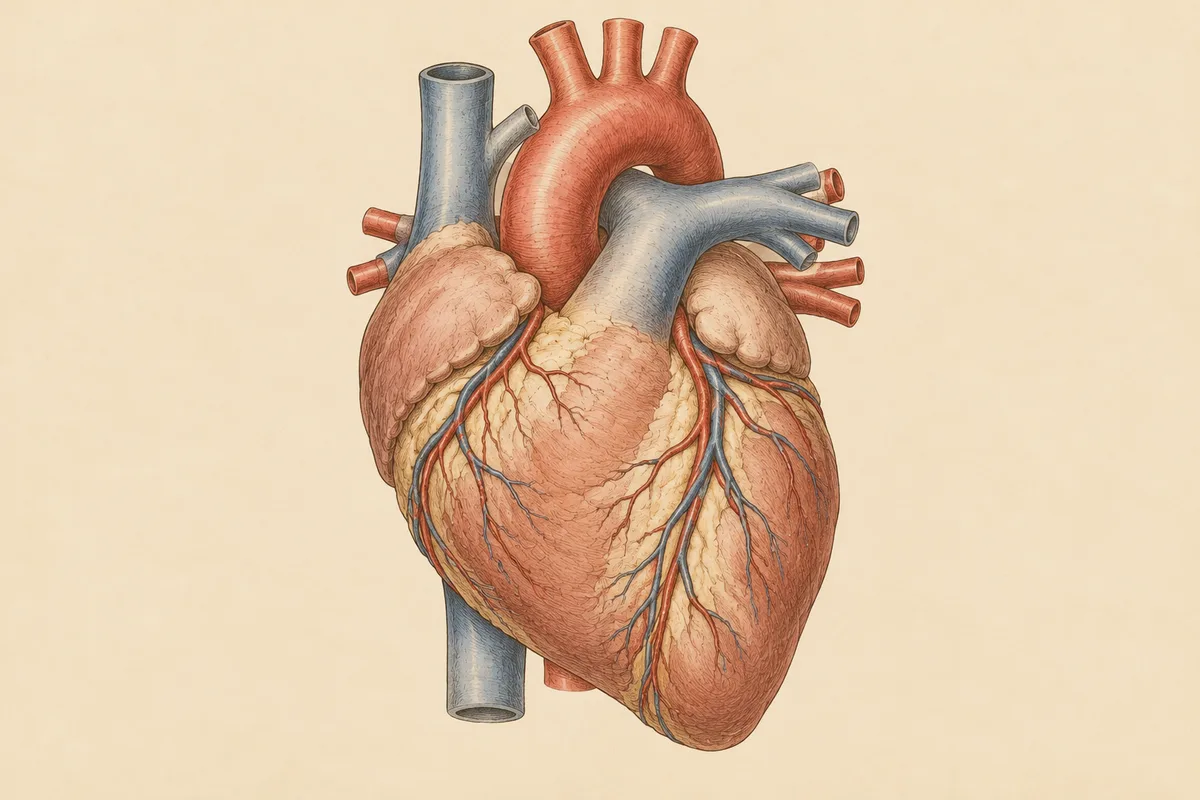 Heart
Heart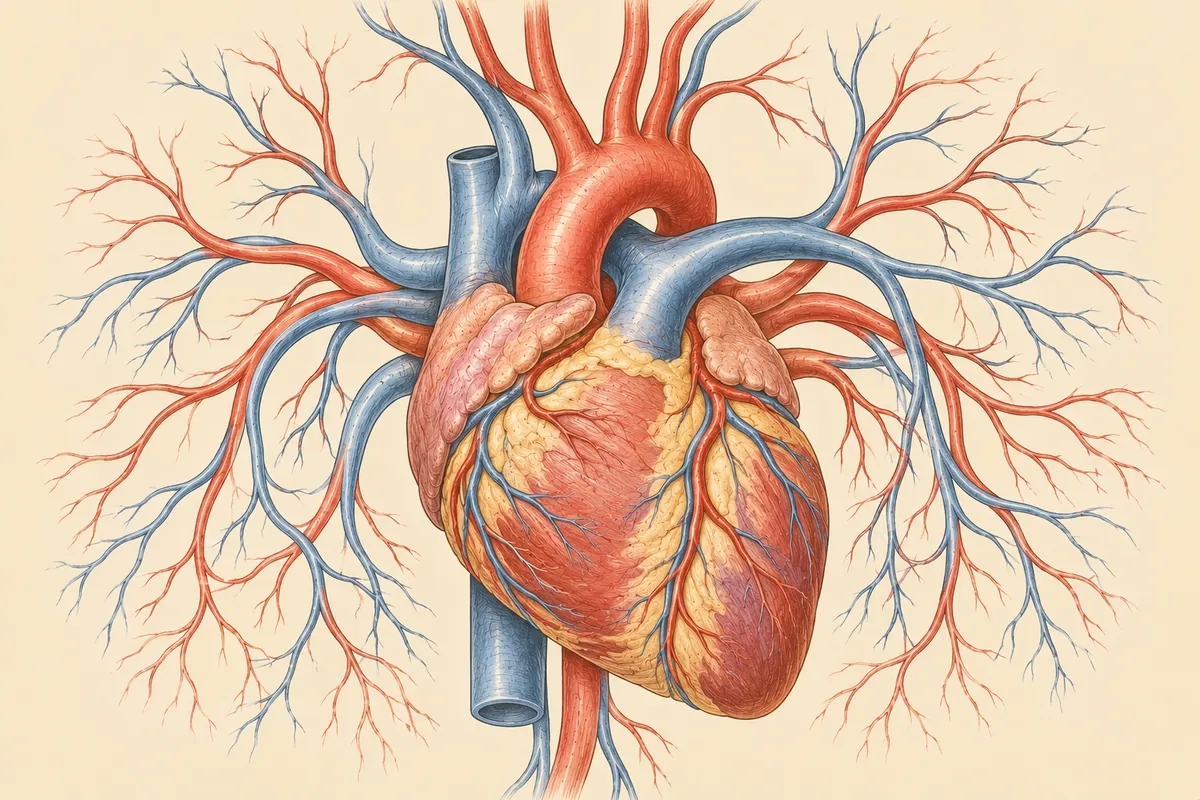 Blood and circulation
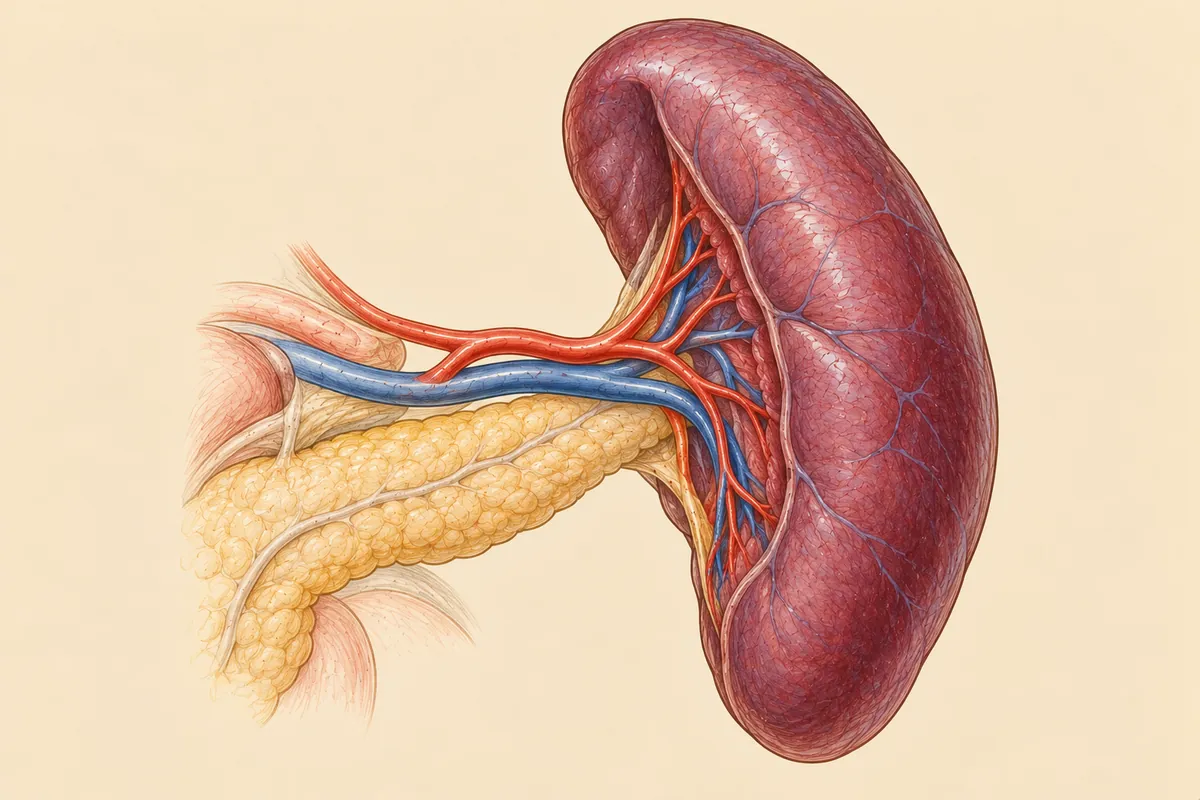 Spleen
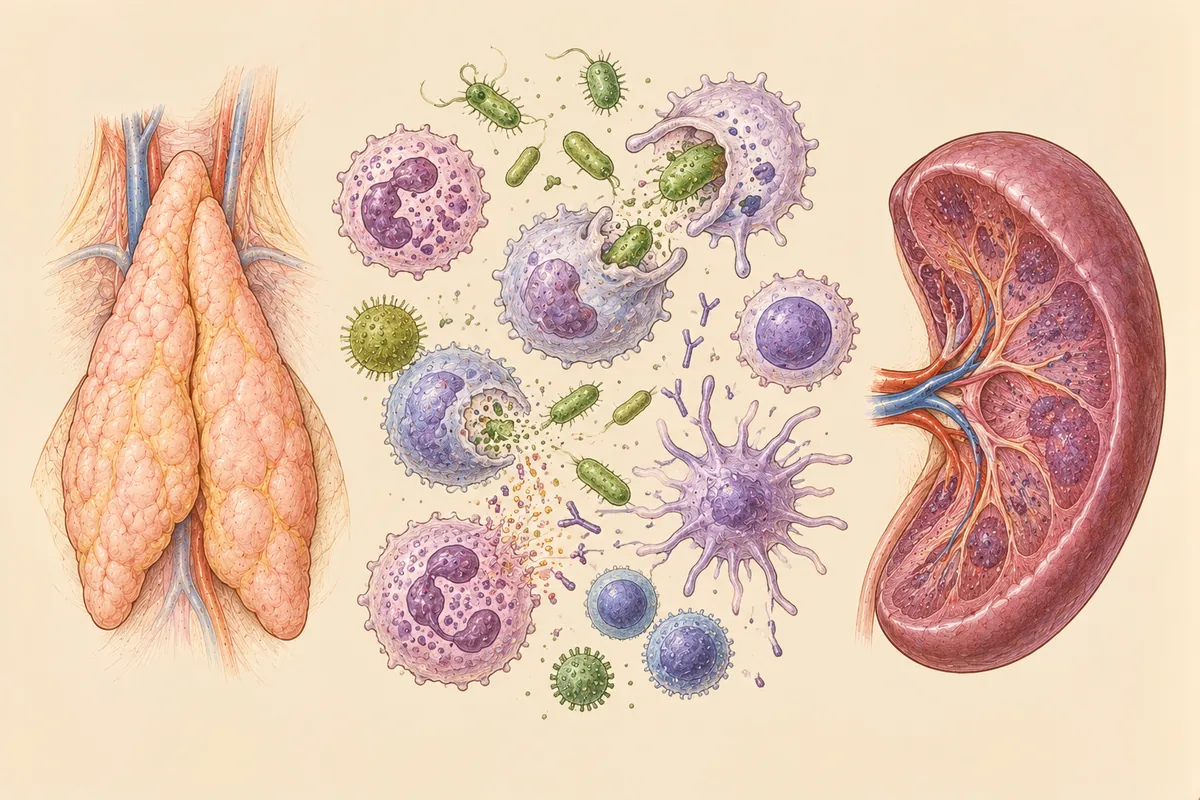 Body defenses
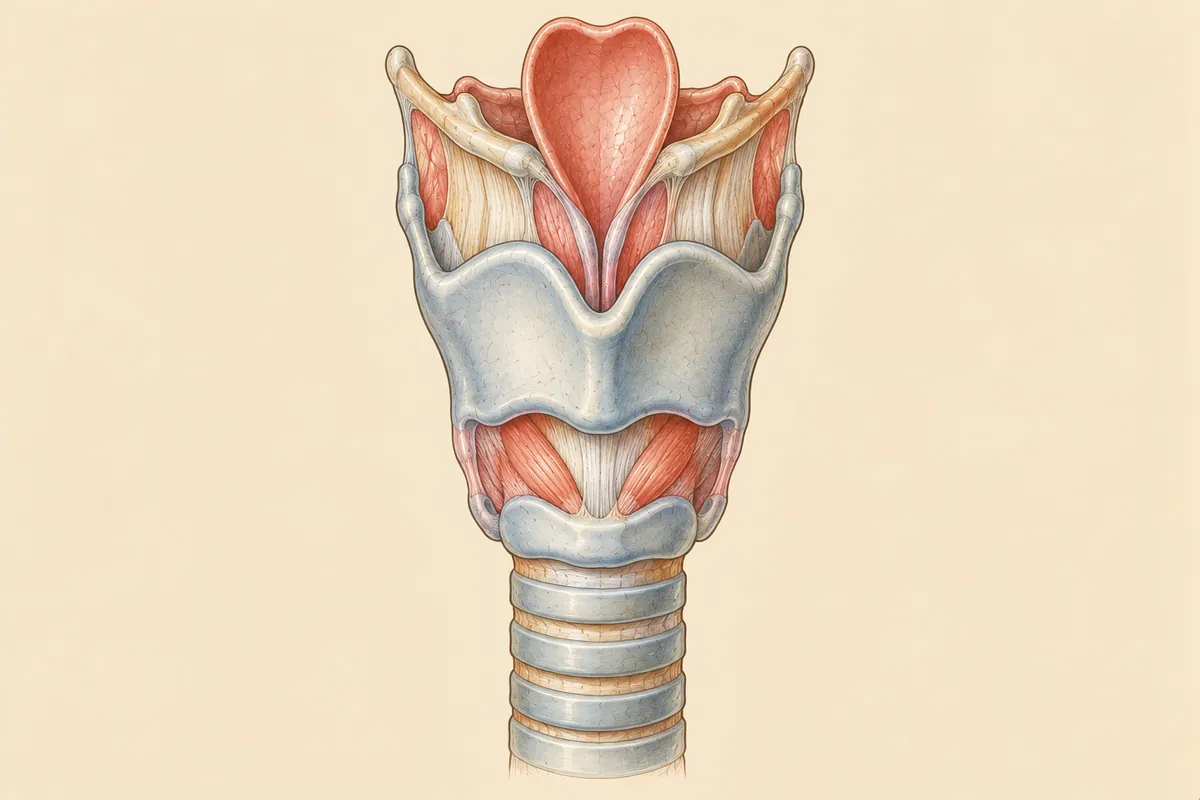 Throat and voice
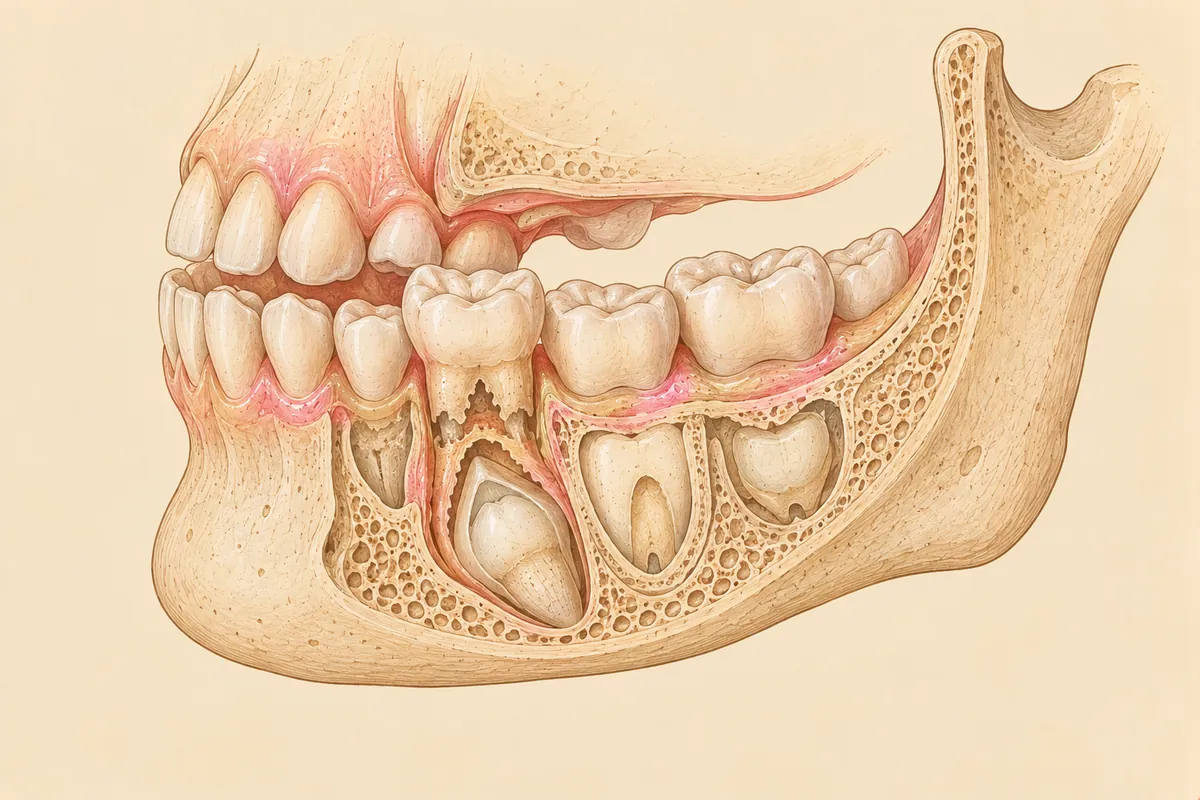 Baby teeth
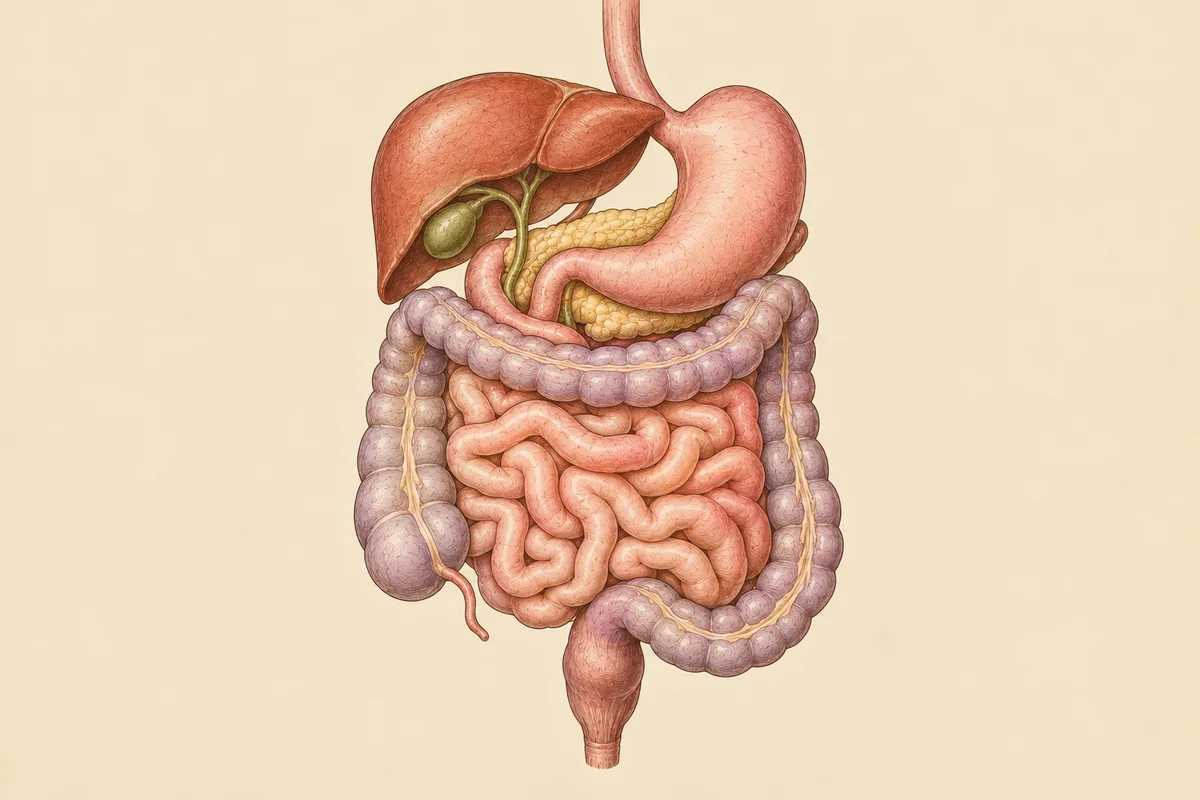 Digestion
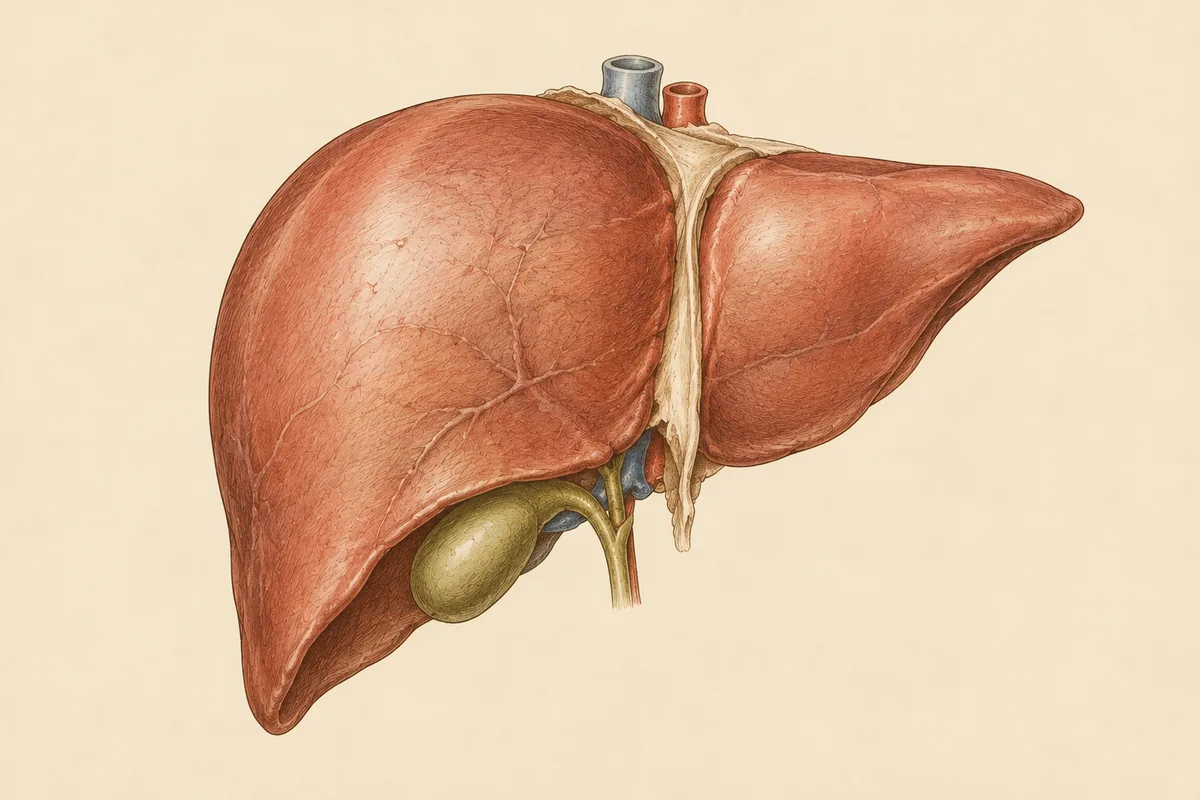 Liver
Liver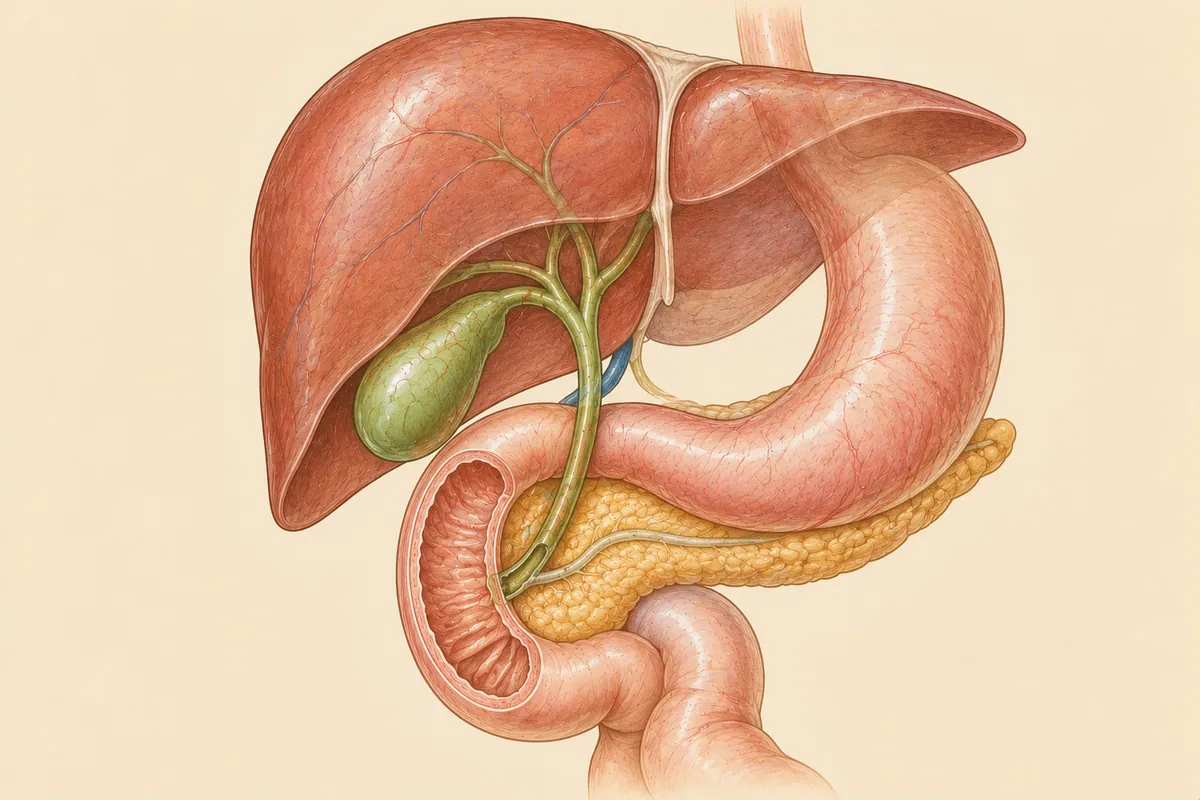 Gallbladder
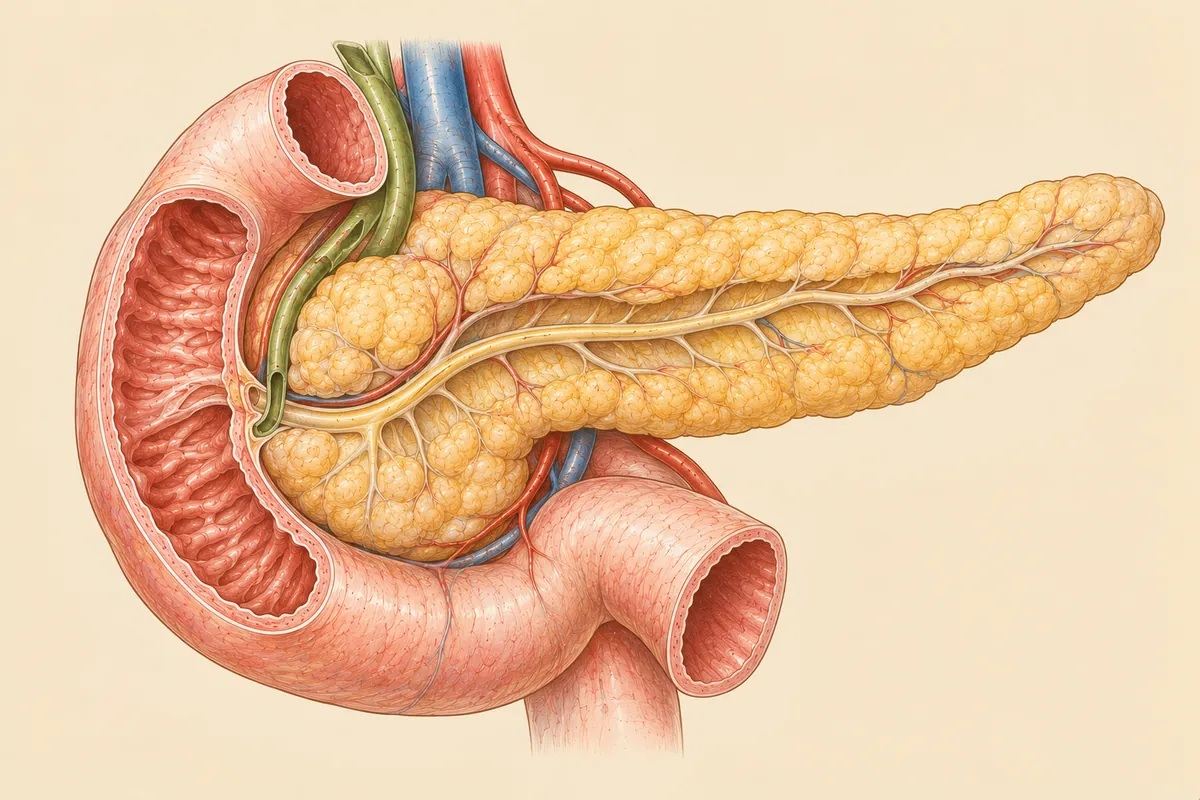 Pancreas
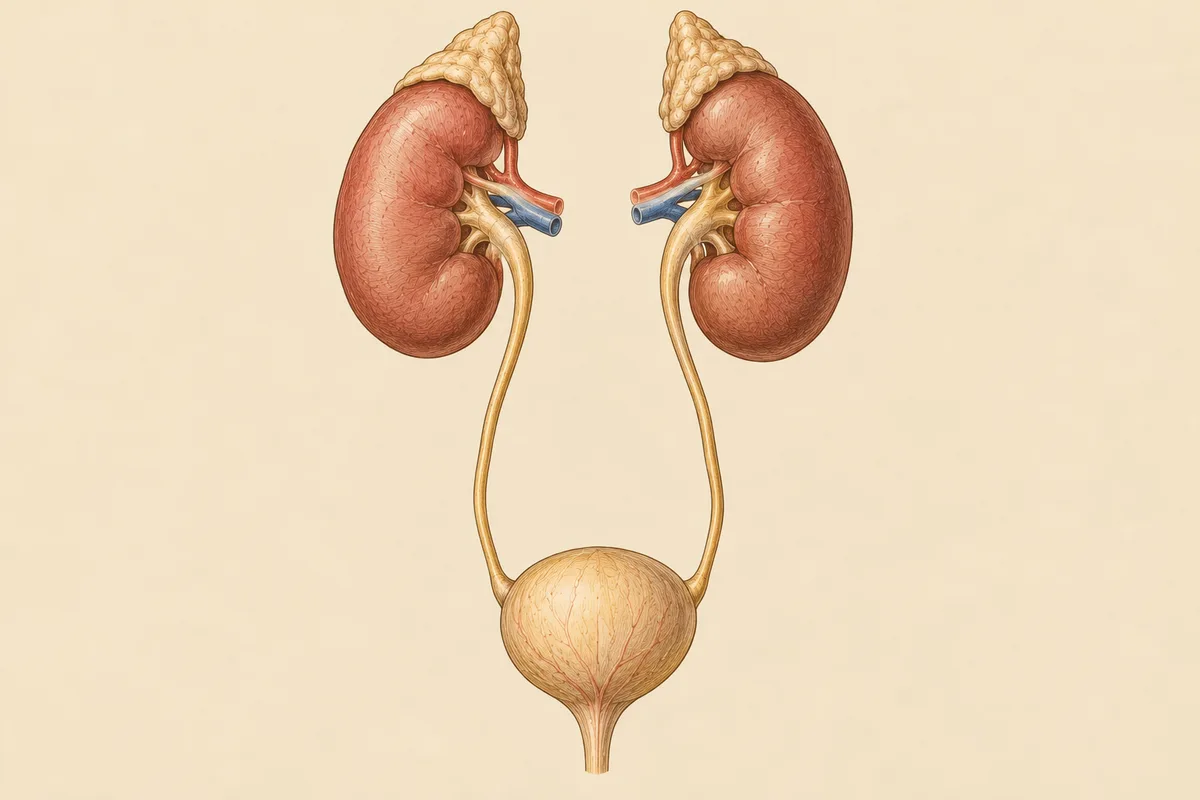 Kidneys
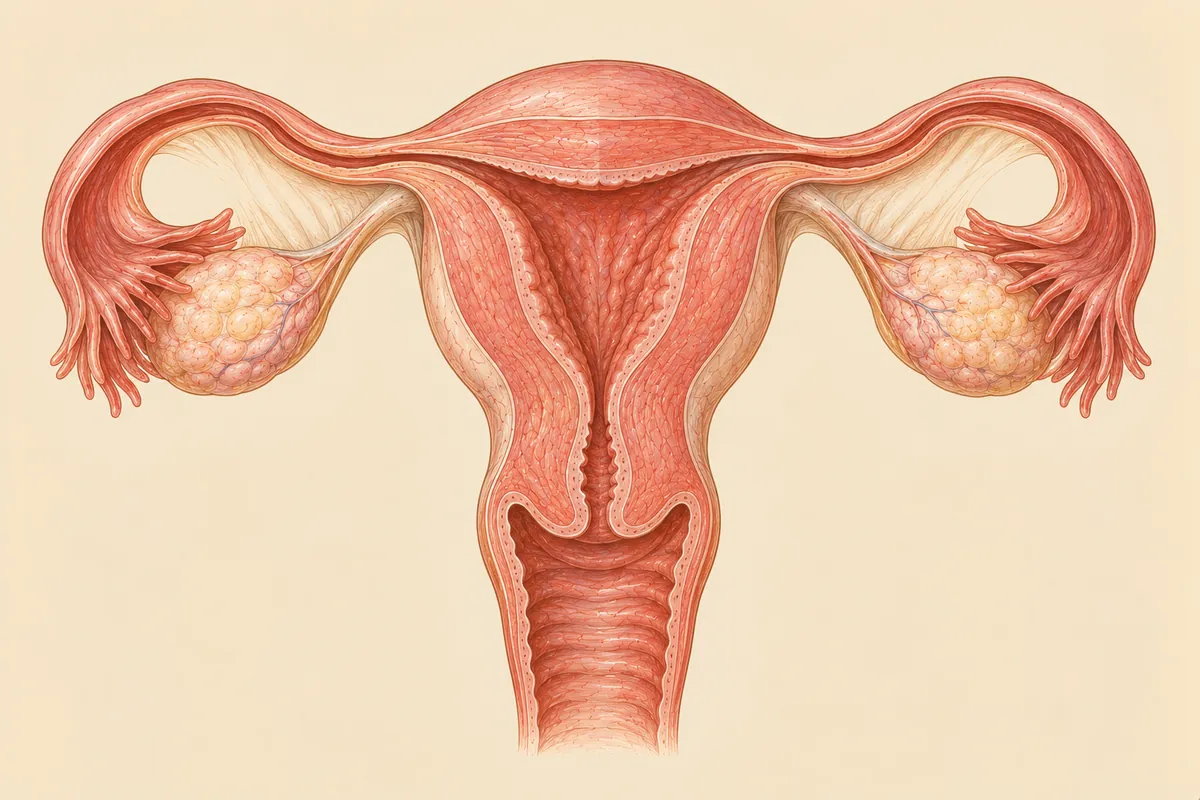 Reproductive system
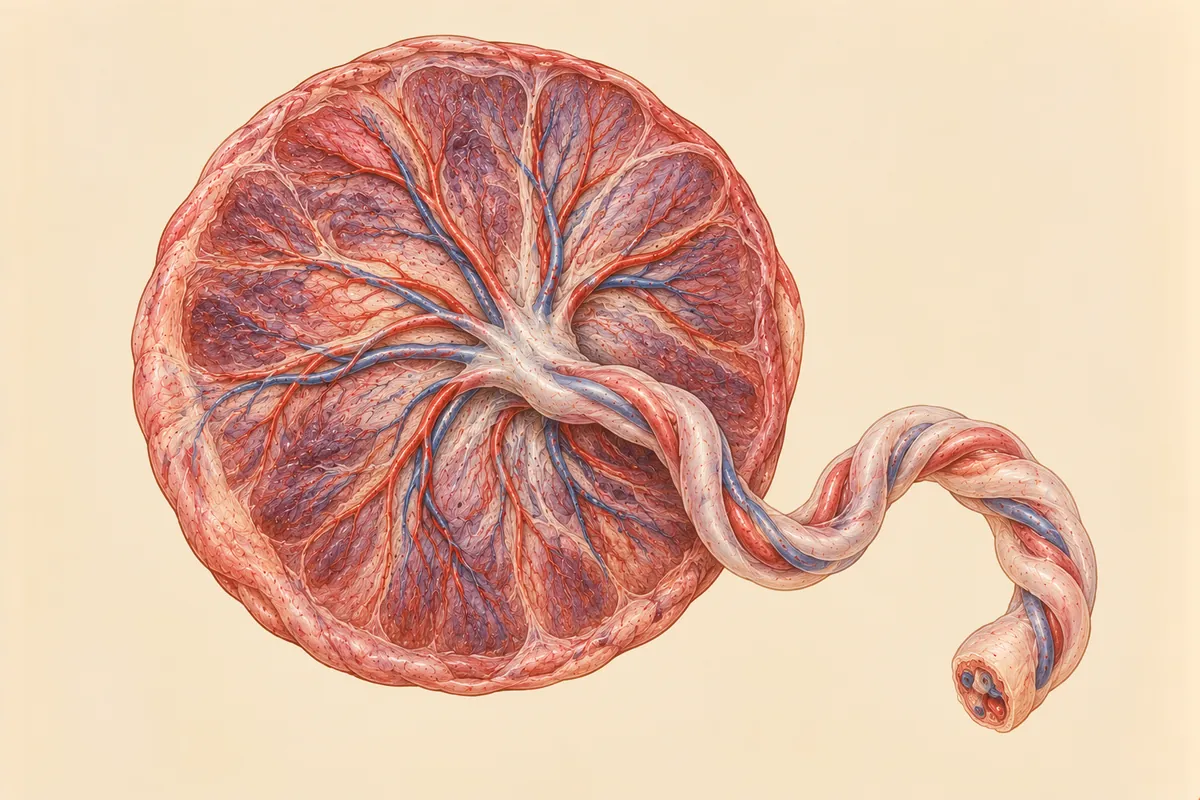 Pregnancy
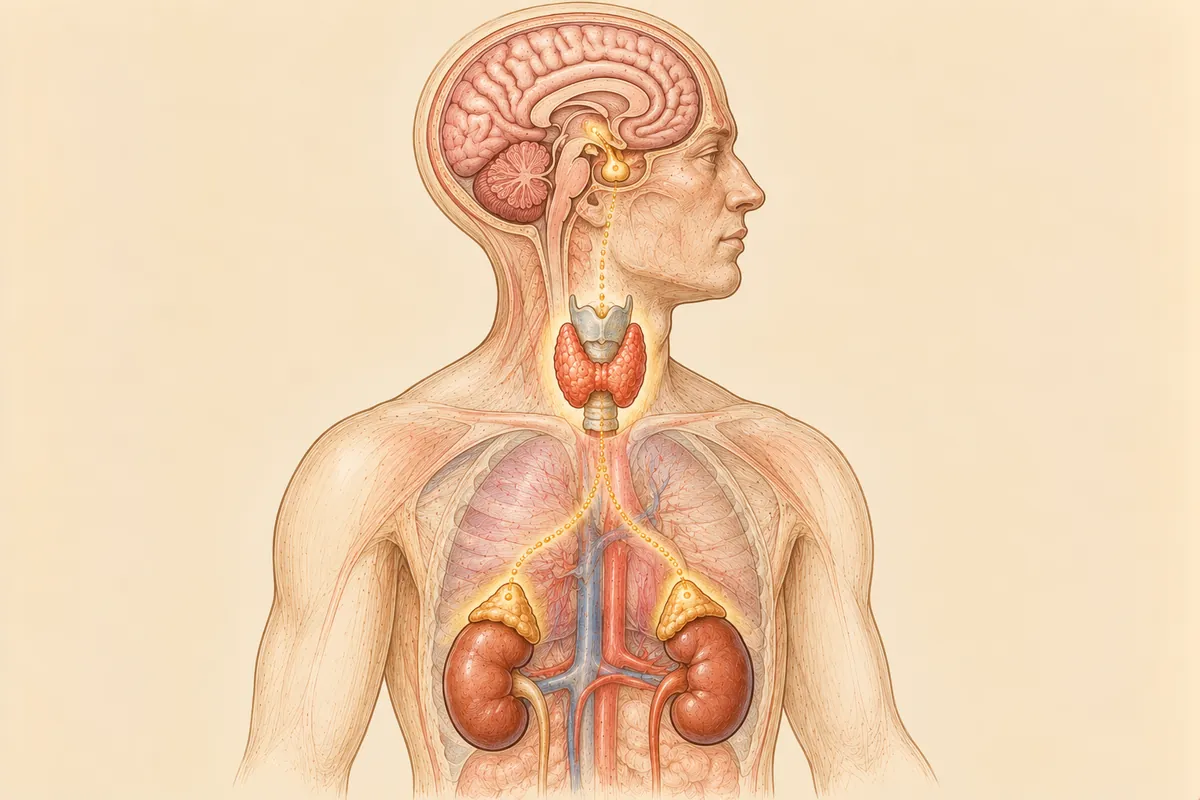 Glands and hormones
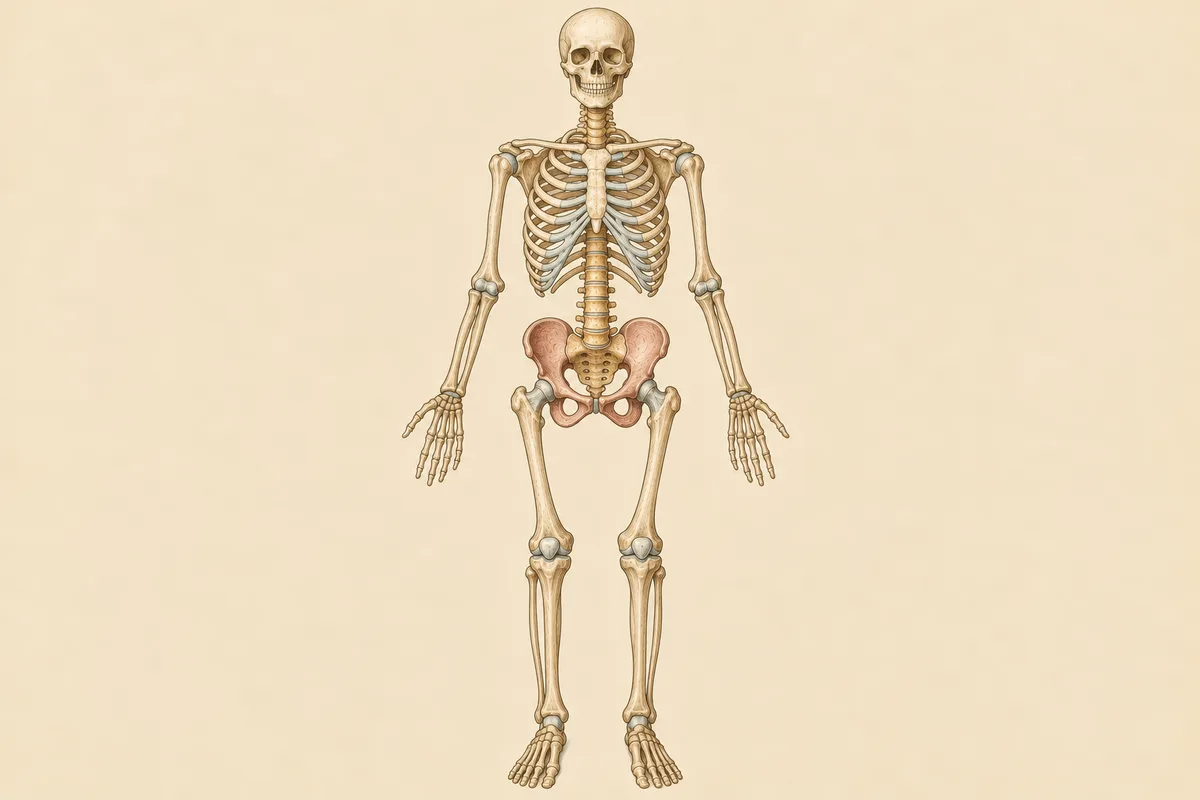 Skeleton
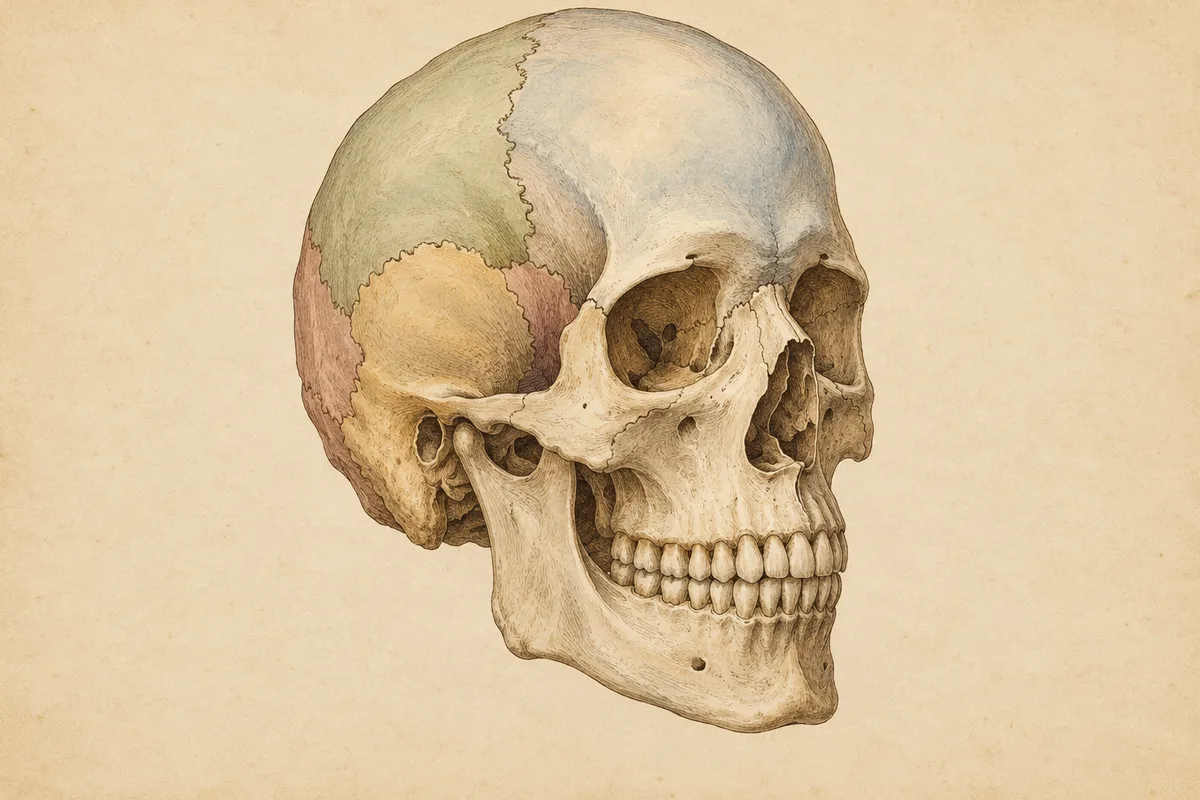 Skull
Skull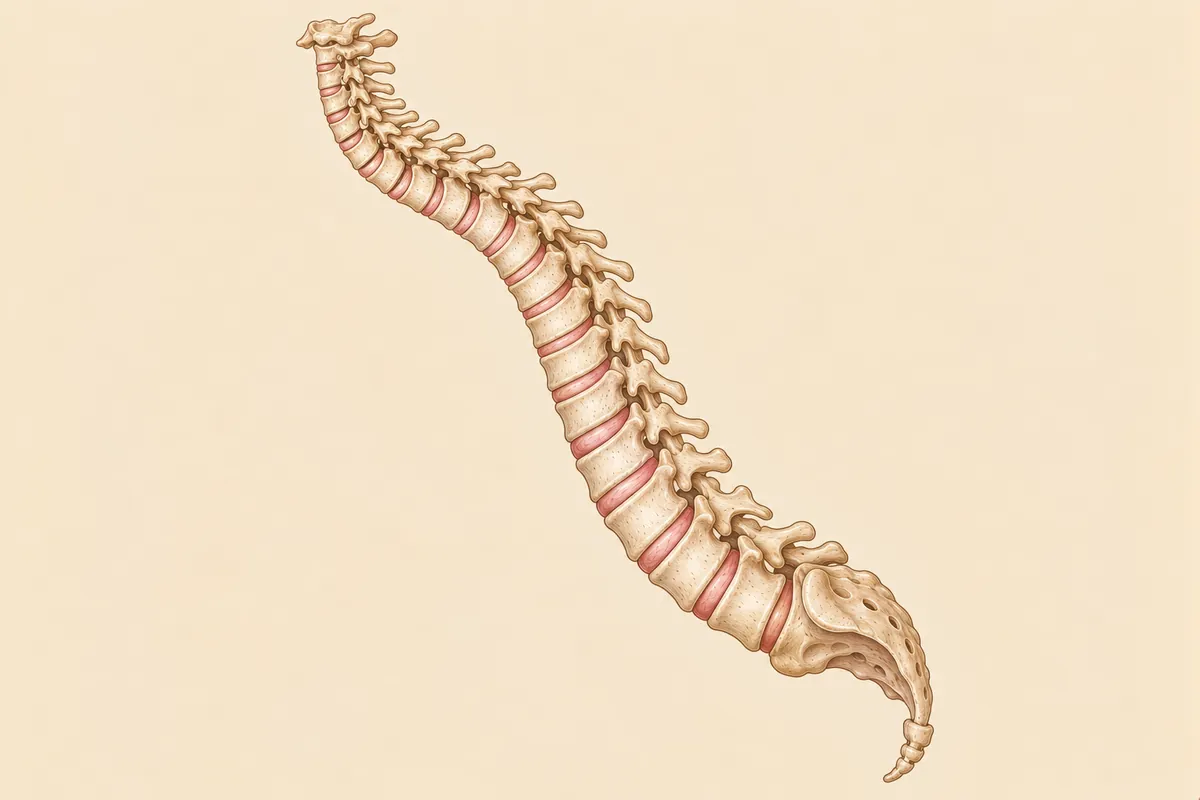 Spine
Spine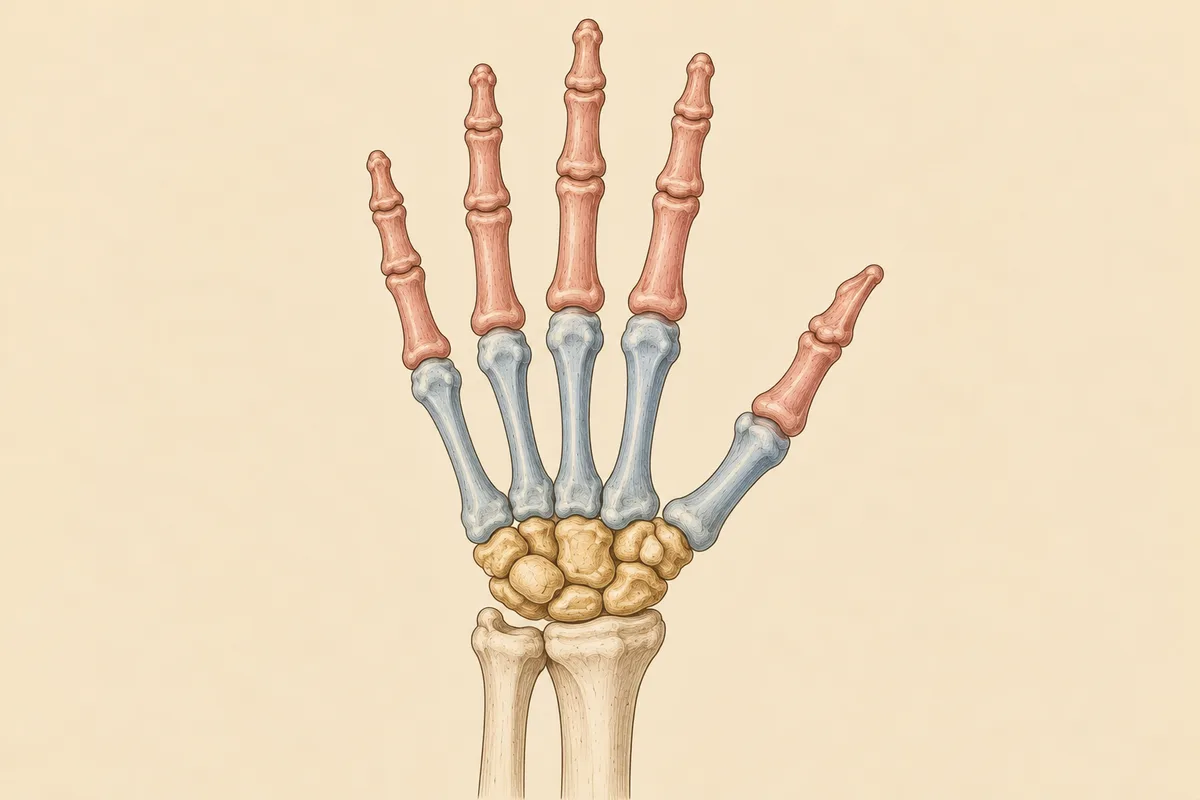 Hand
Hand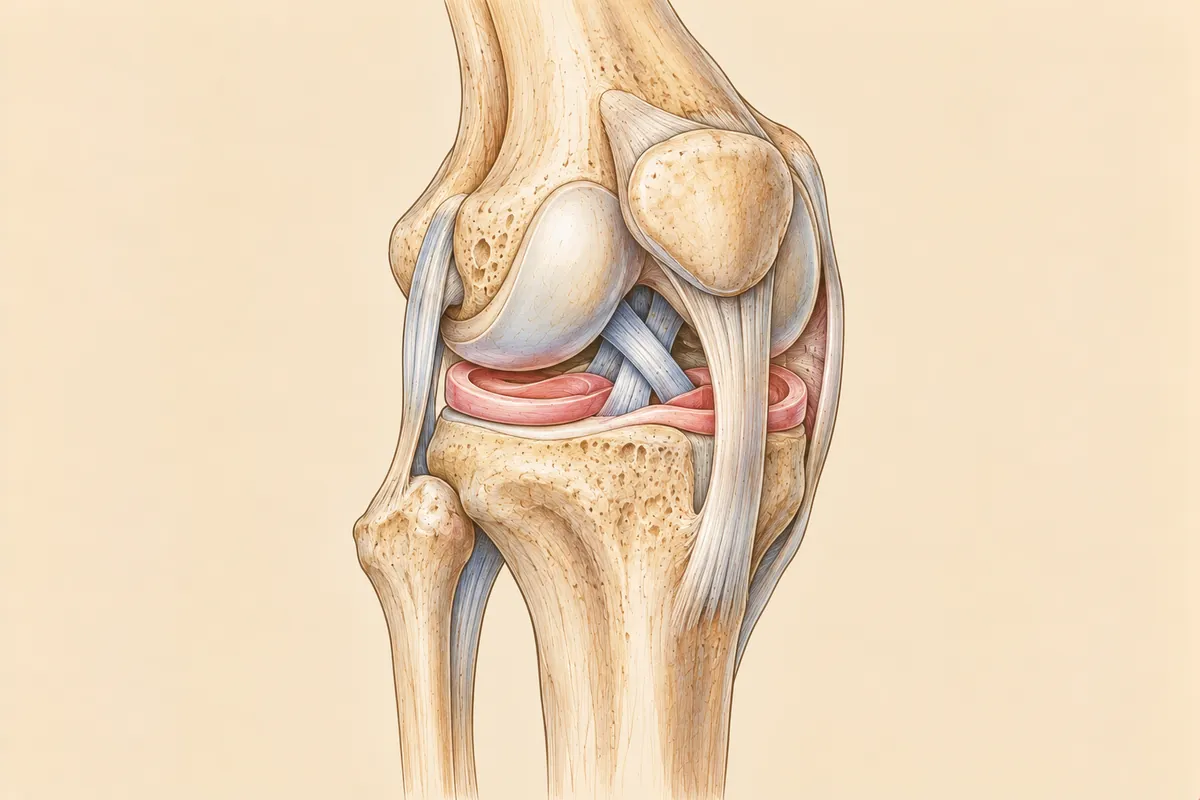 Knee
Knee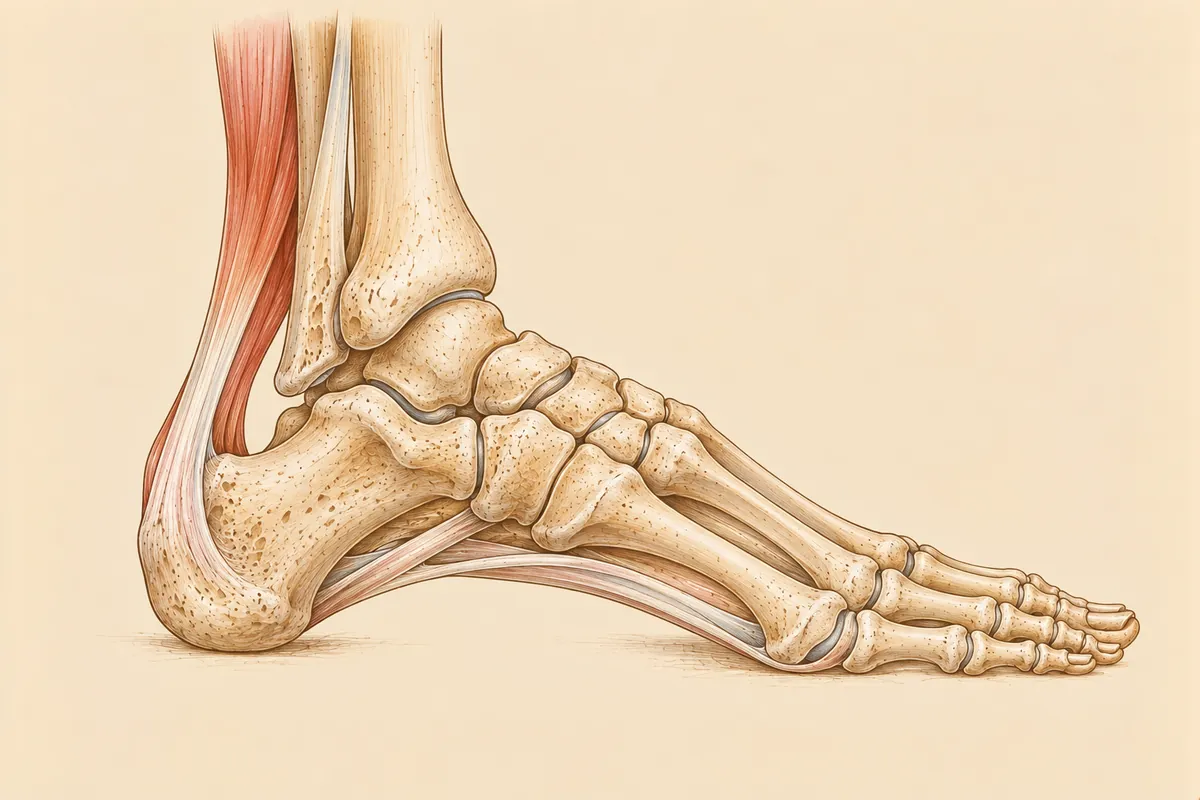 Foot
Foot Muscles
How do the lungs work?
The lungs are like two sponges that fill with air. Air comes in through your nose, goes down a tube and reaches tiny bubbles, where oxygen passes into your blood. At the same time, your blood drops off the gas your body doesn’t need, and you blow it out.
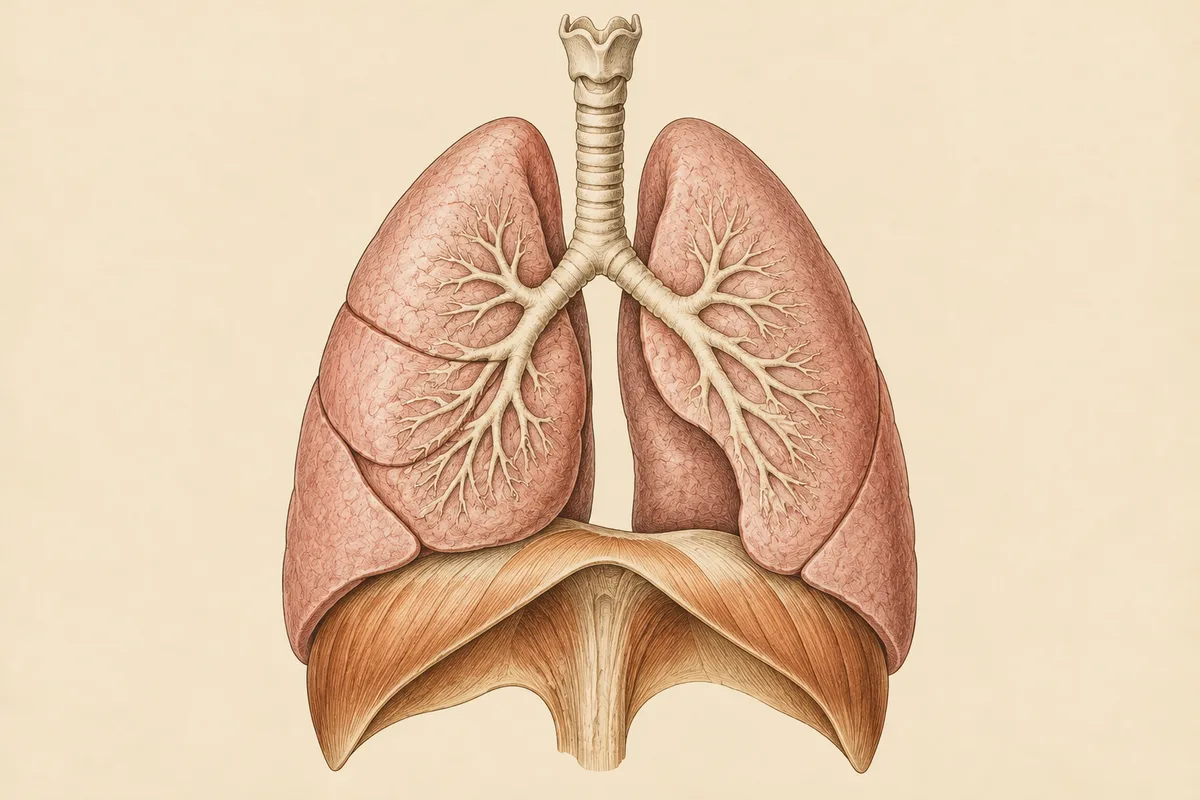
Drag to turn. Pinch or use the mouse wheel to zoom. Tap a part to see what it does.
Questions people ask
How many times do we breathe in a day?
A resting adult breathes 12 to 20 times a minute, which adds up to more than 17,000 breaths a day. Children breathe faster.
Why is the left lung smaller?
Because it shares space with the heart, which sits a little to the left. That is why the left lung has two lobes and the right has three.
What is the diaphragm?
It is the dome-shaped muscle under the lungs. It does most of the work of breathing: when it contracts and moves down, air comes in; when it relaxes and moves up, air goes out.
Why do we get hiccups?
A hiccup is a sudden contraction of the diaphragm followed by the vocal folds snapping shut, which makes the "hic". Eating fast, laughing a lot or drinking fizzy drinks can trigger it. It usually goes away on its own.
How does oxygen get into the blood?
Air goes down the trachea and bronchi to the alveoli, tiny sacs with very thin walls surrounded by blood vessels. Oxygen crosses that wall into the blood, and carbon dioxide leaves the blood to be breathed out.
Sources
This text was written using these references:
- Respiratory System · National Cancer Institute (SEER Training)
This content has not been medically reviewed.