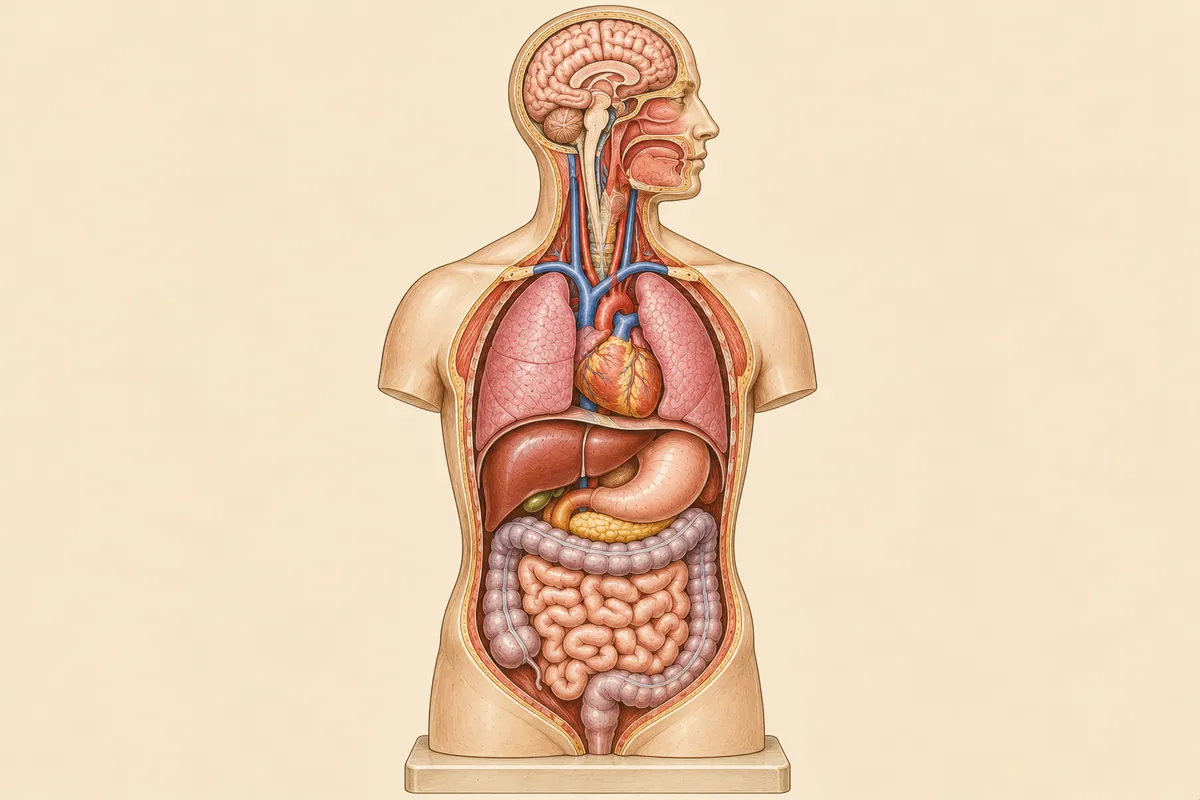
 The whole body
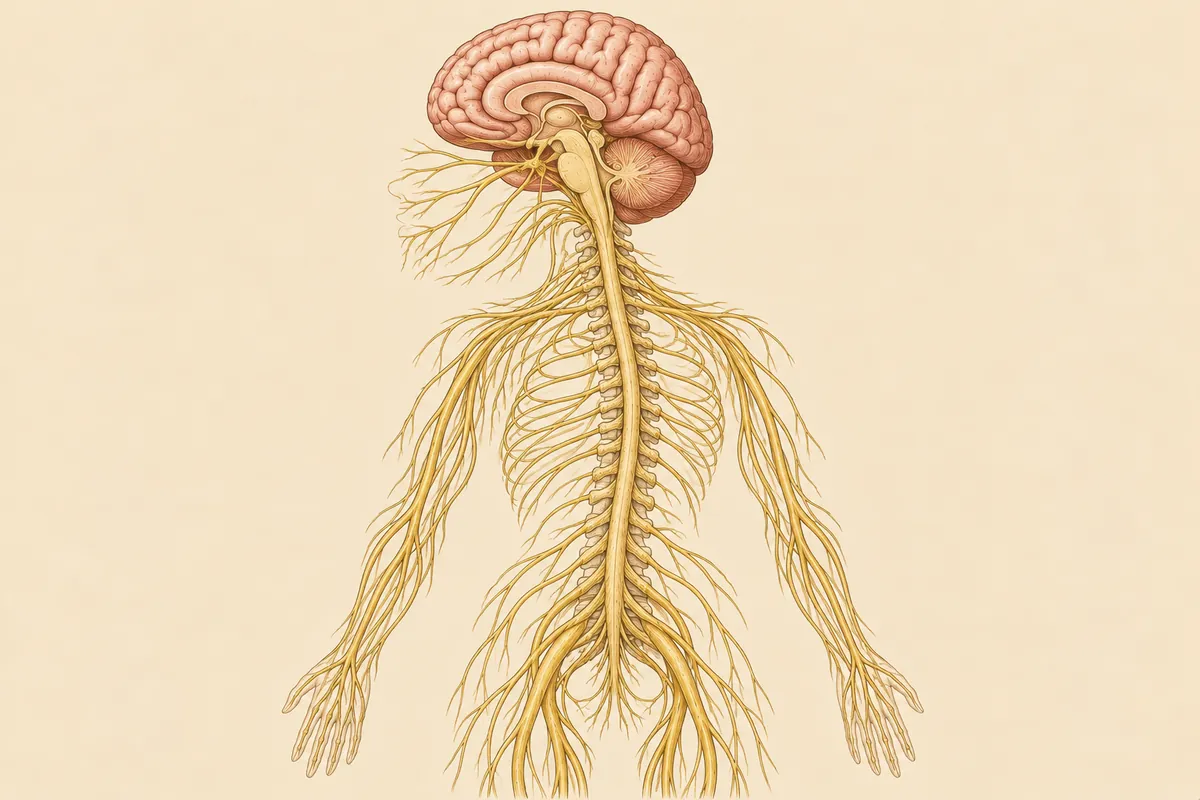 Nervous system
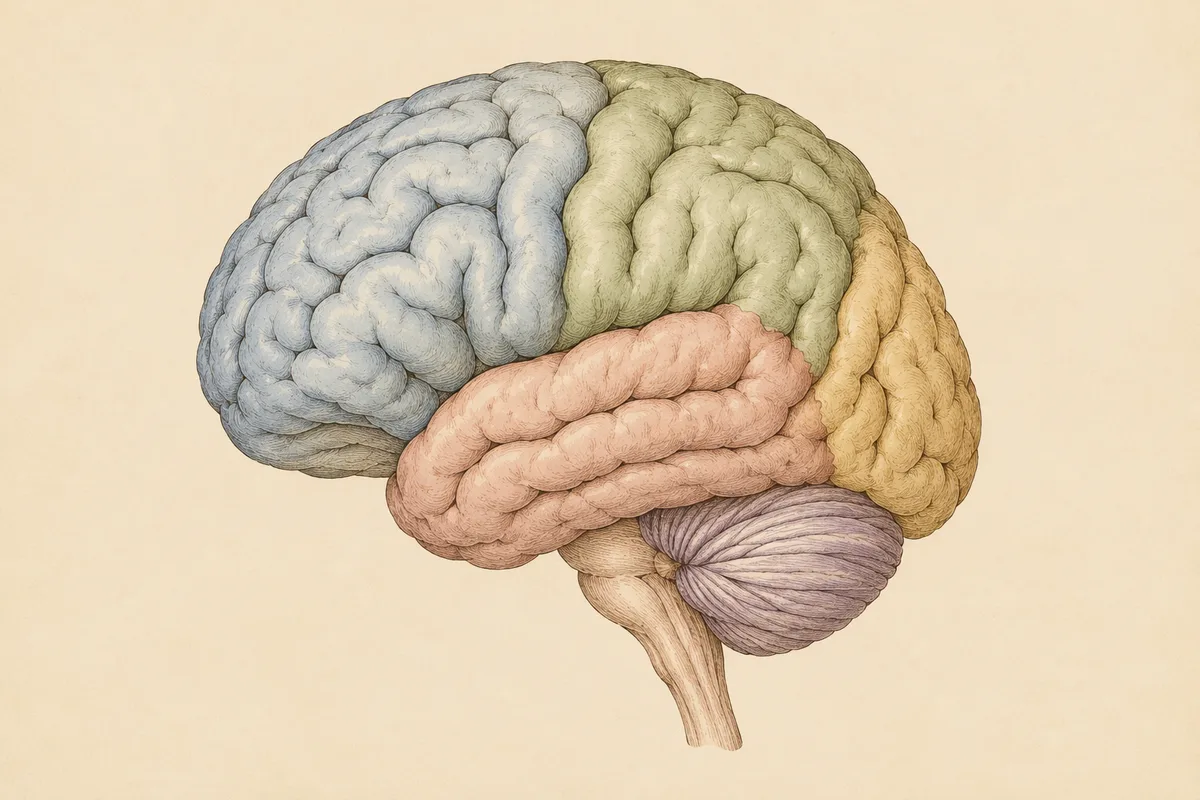 Brain
Brain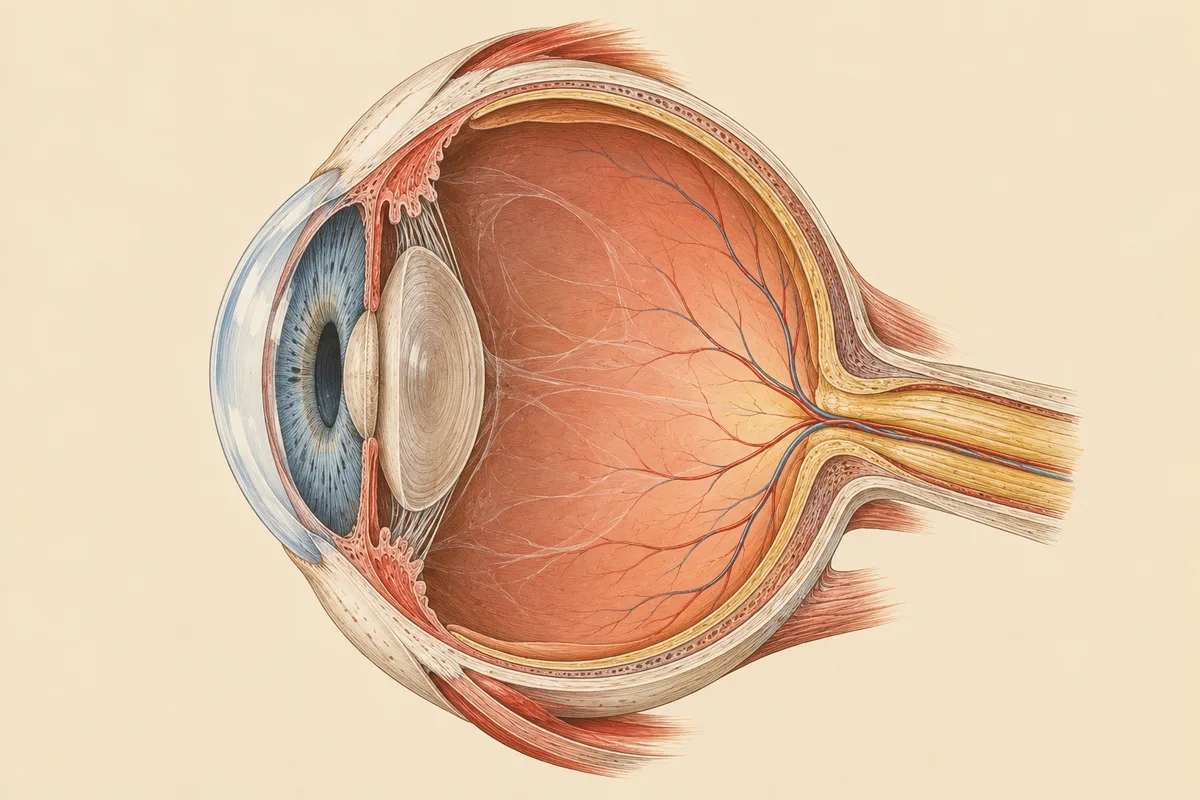 Eye
Eye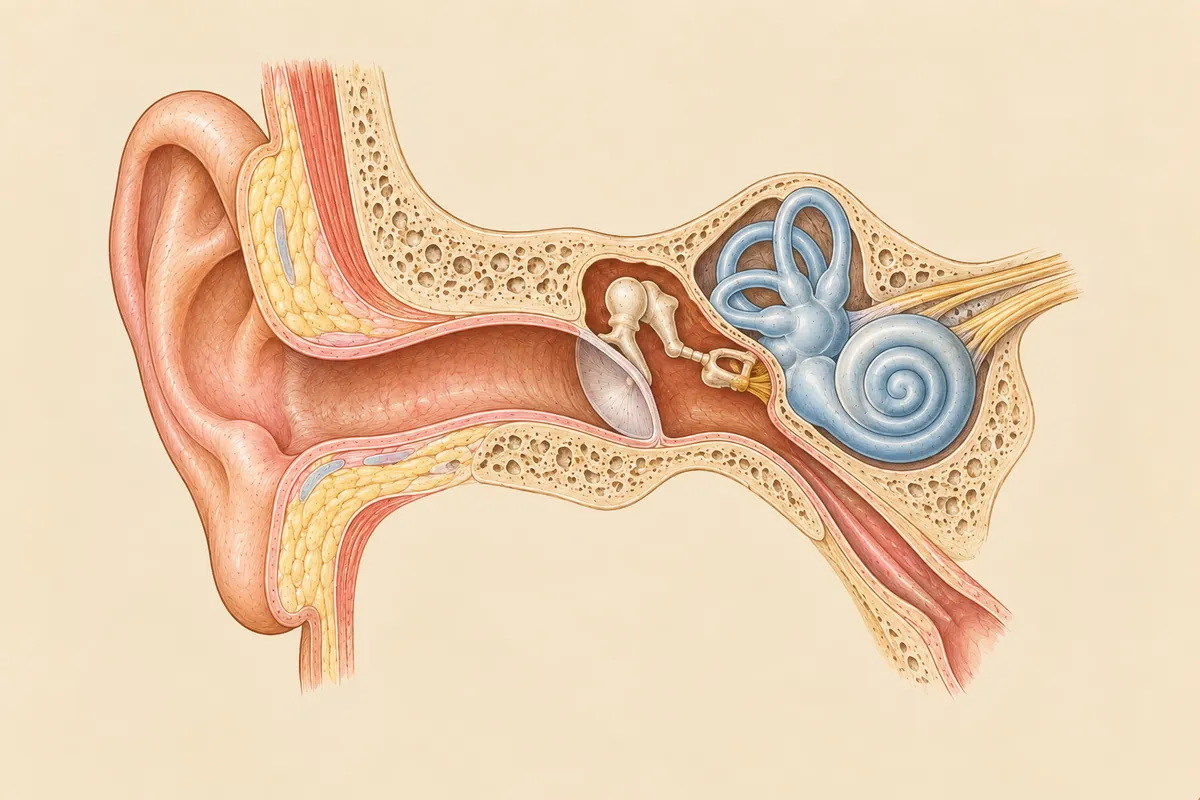 Ear
Ear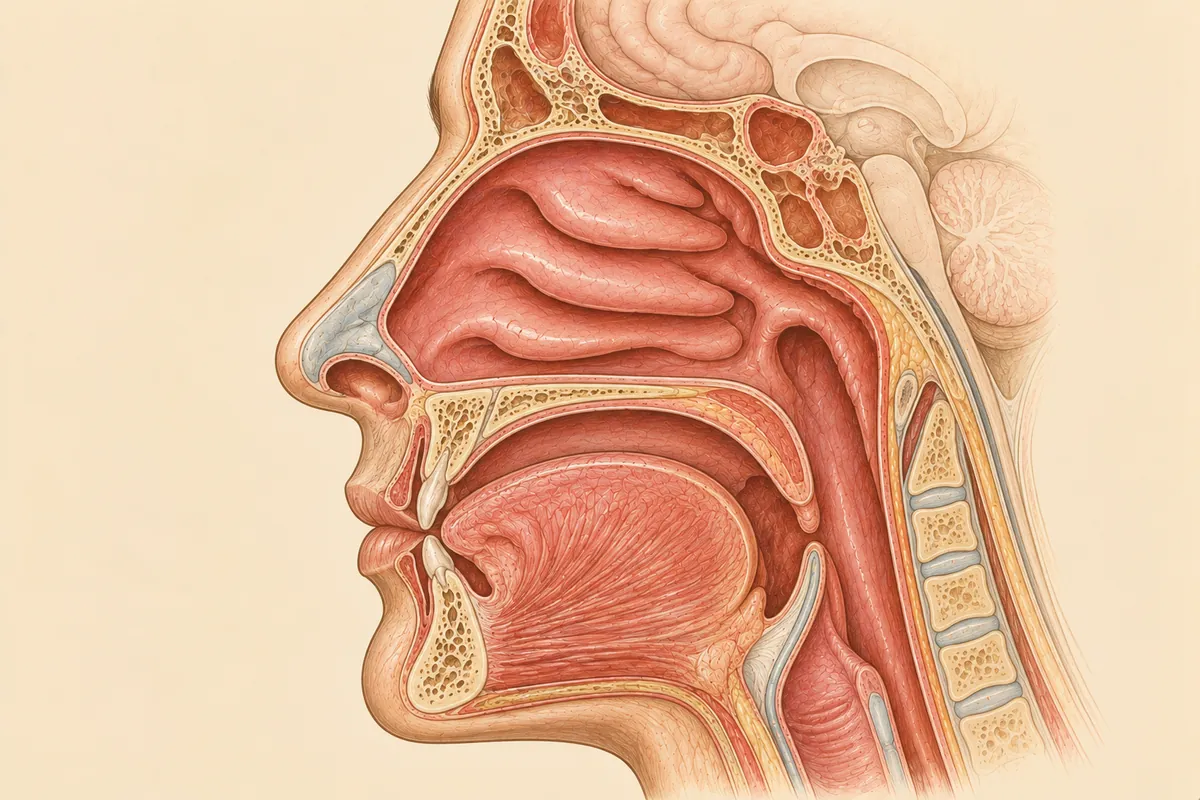 Nose
Nose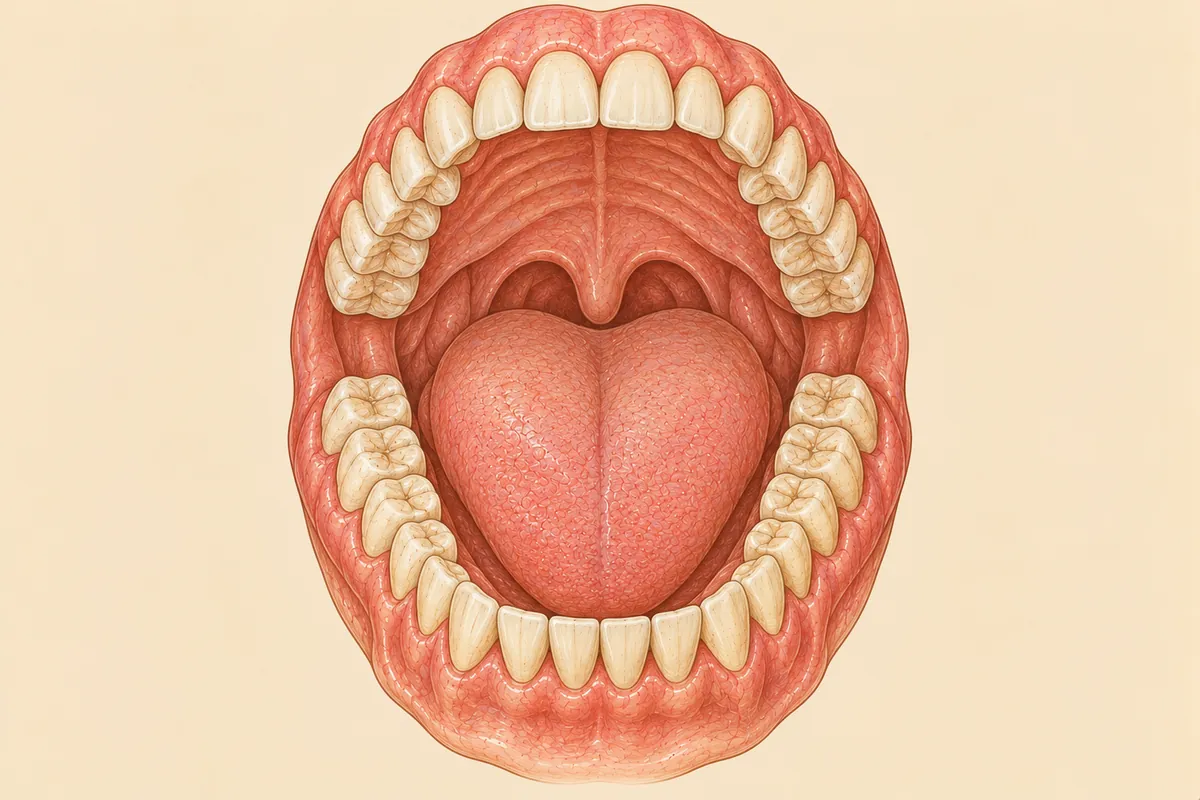 Mouth and teeth
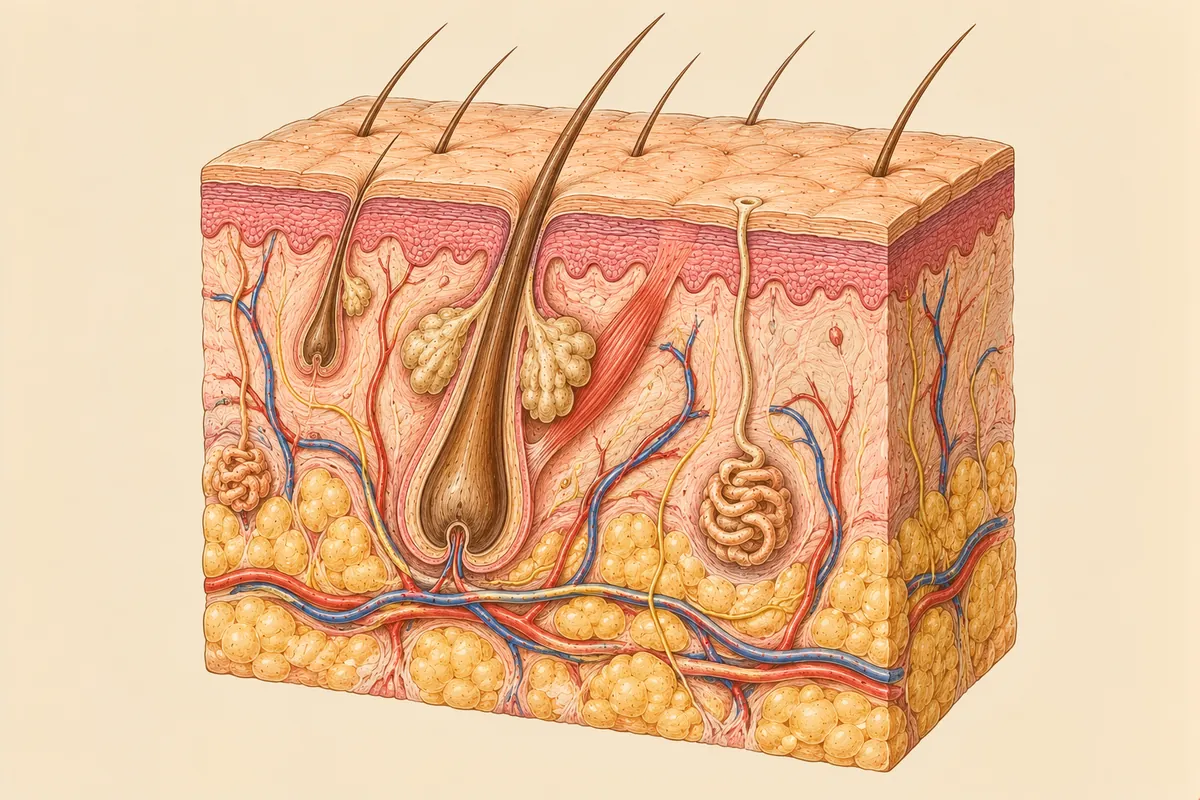 Skin and touch
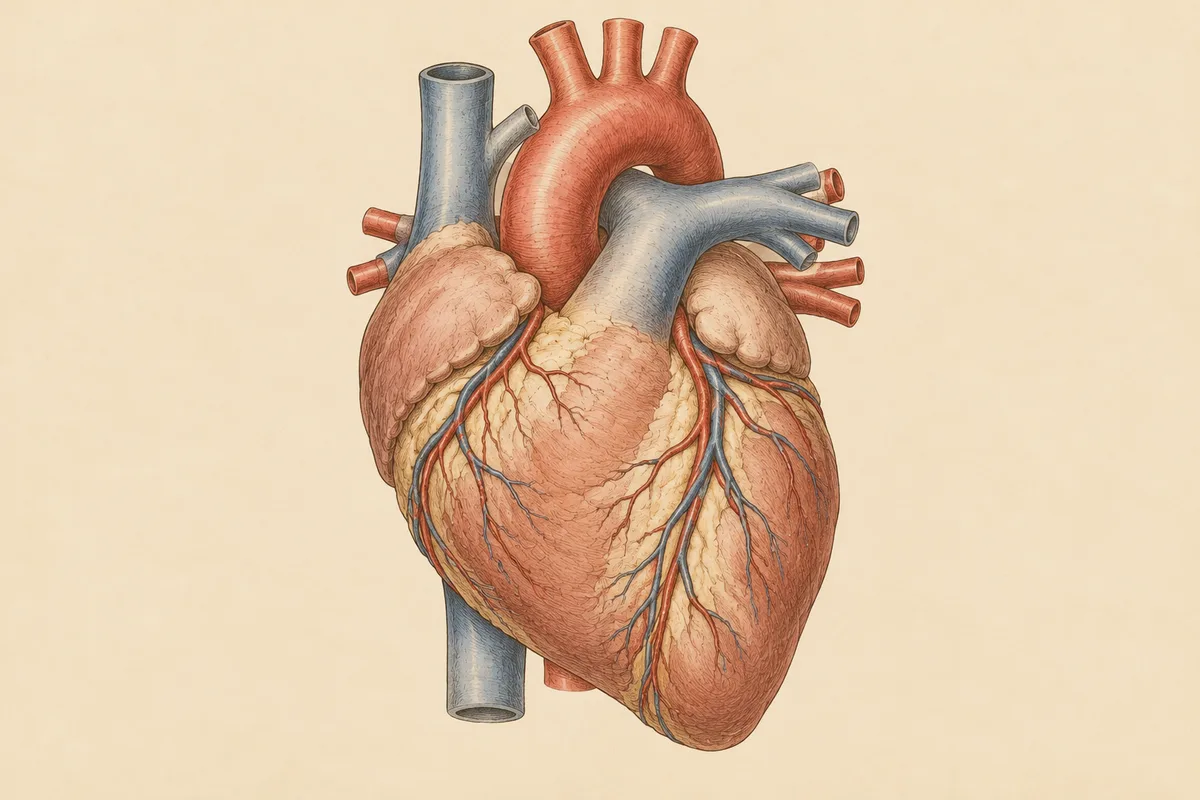 Heart
Heart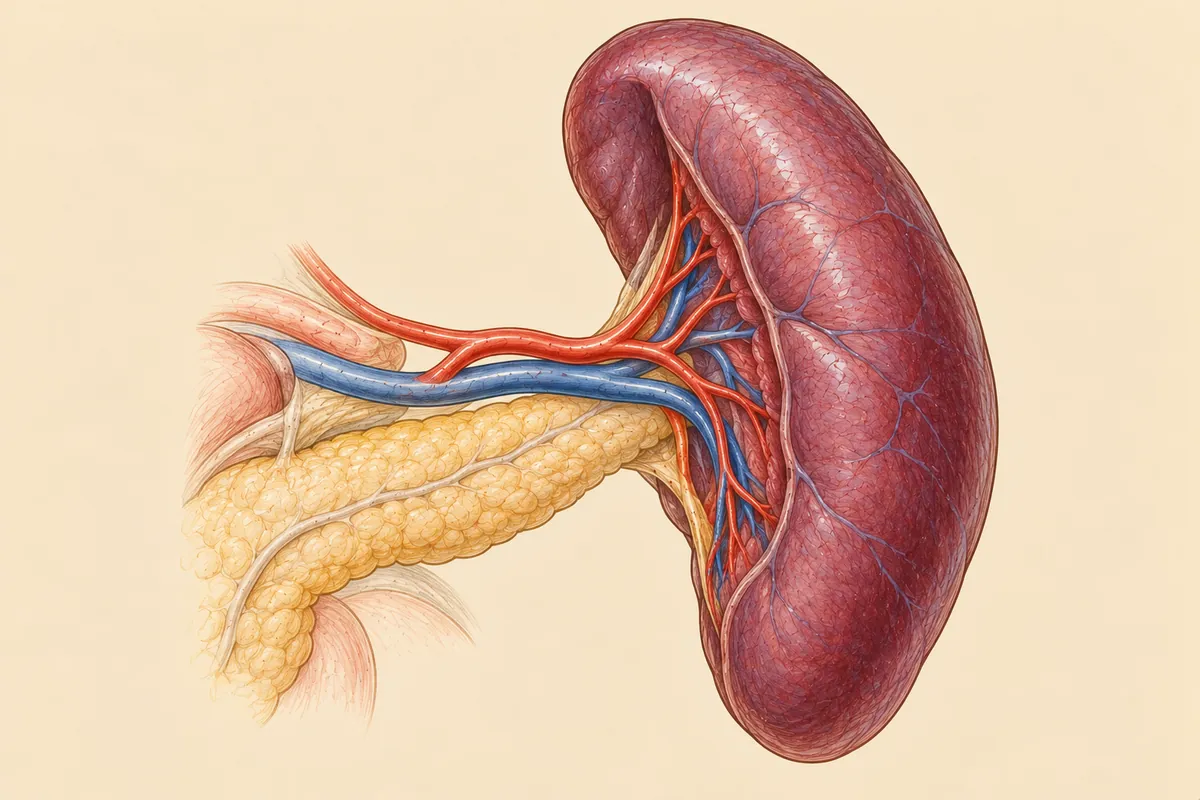 Spleen
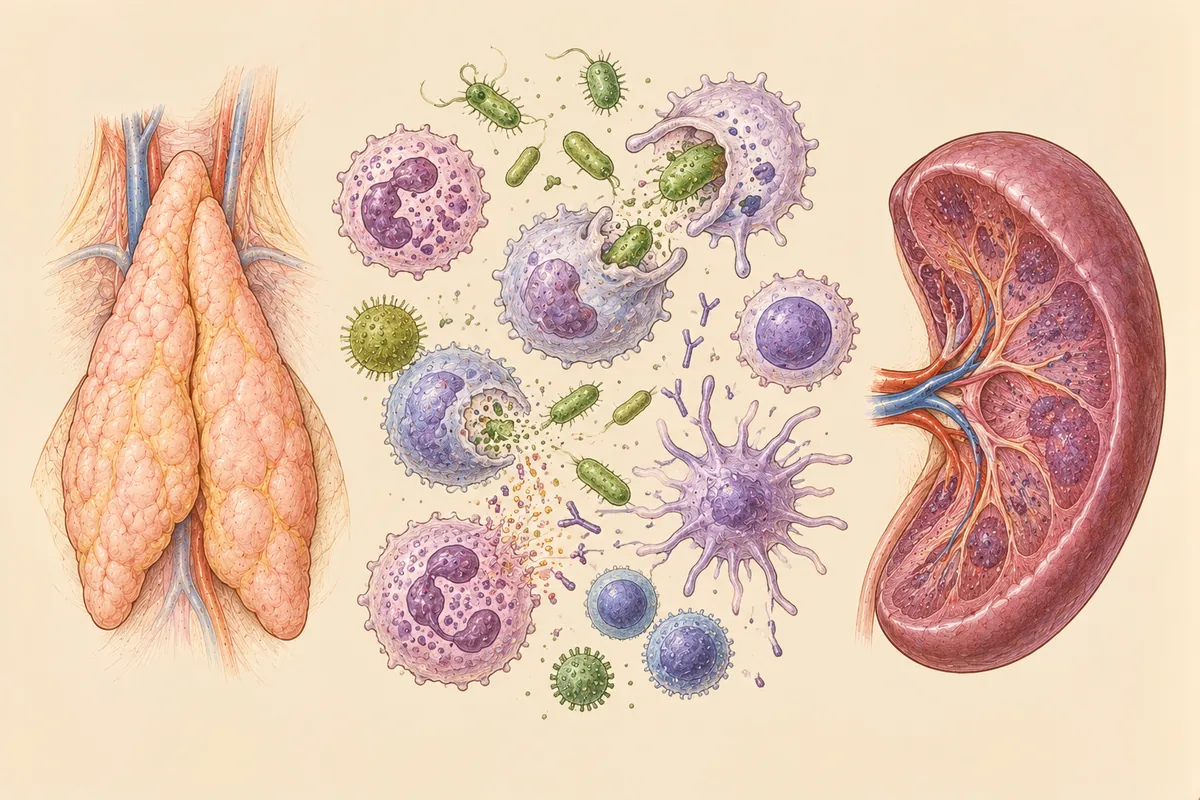 Body defenses
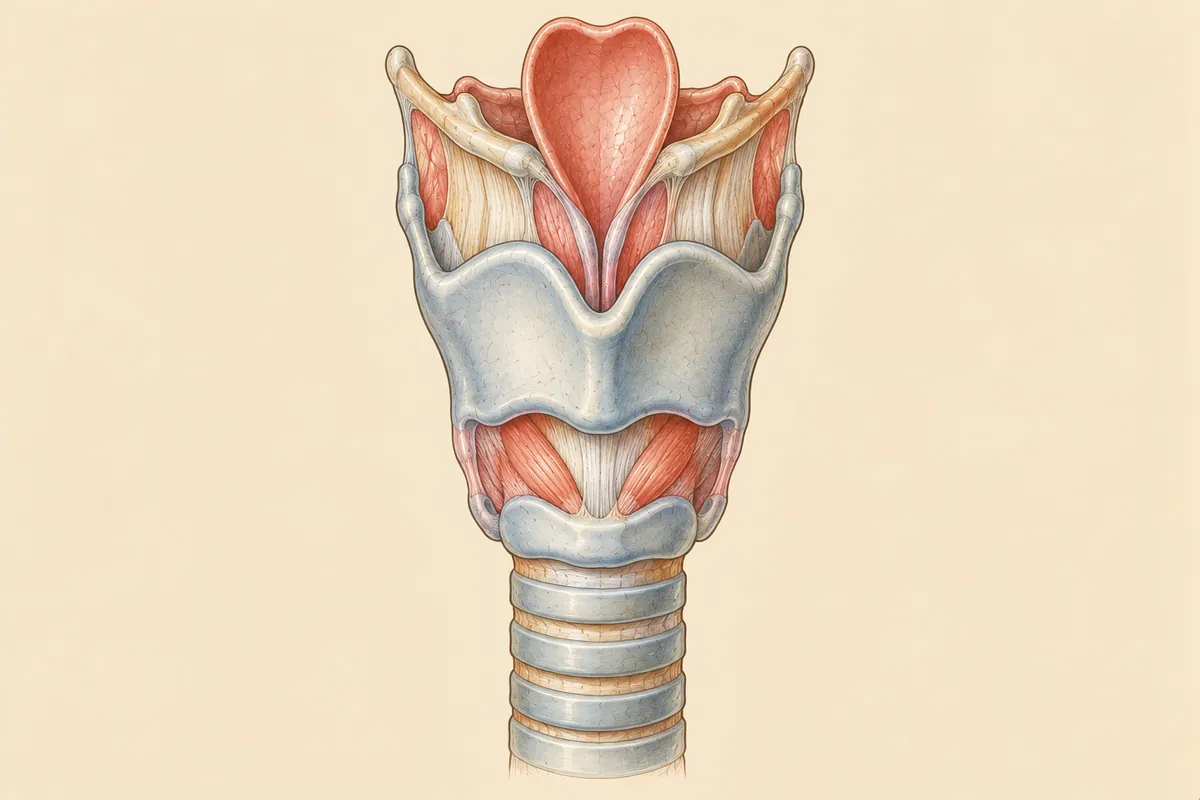 Throat and voice
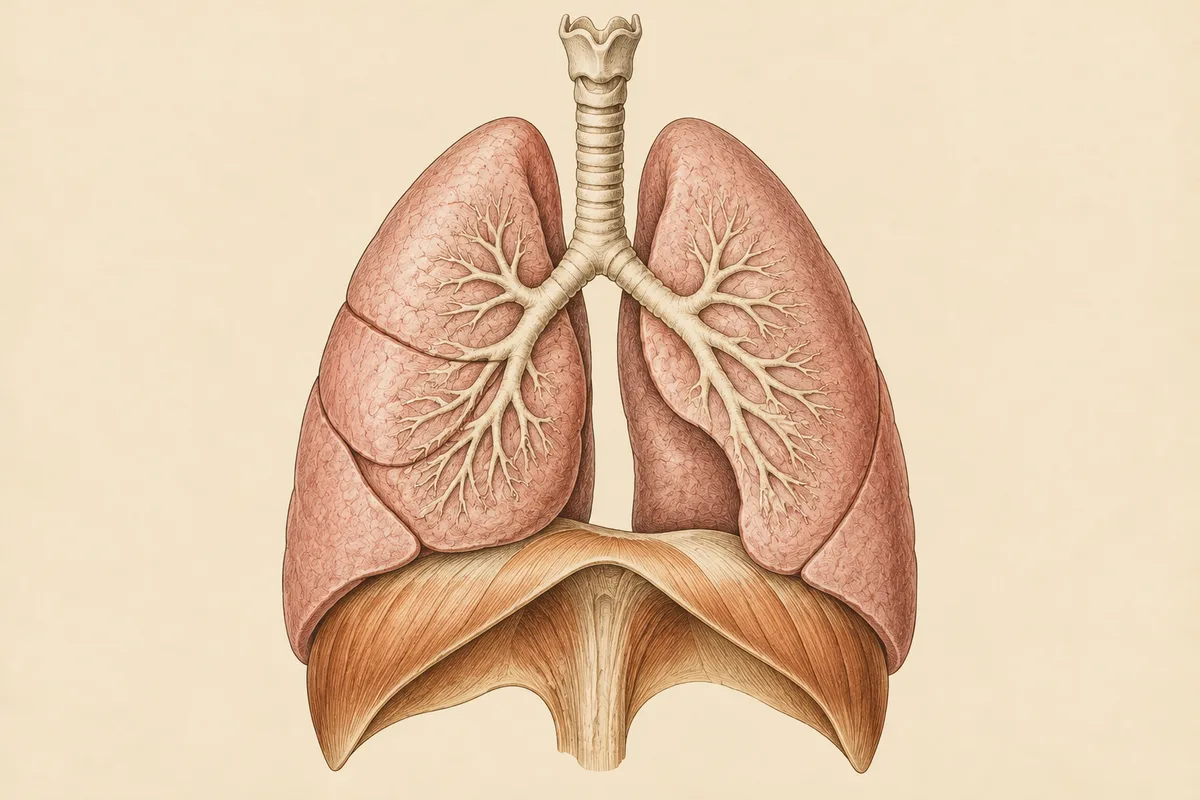 Lungs
Lungs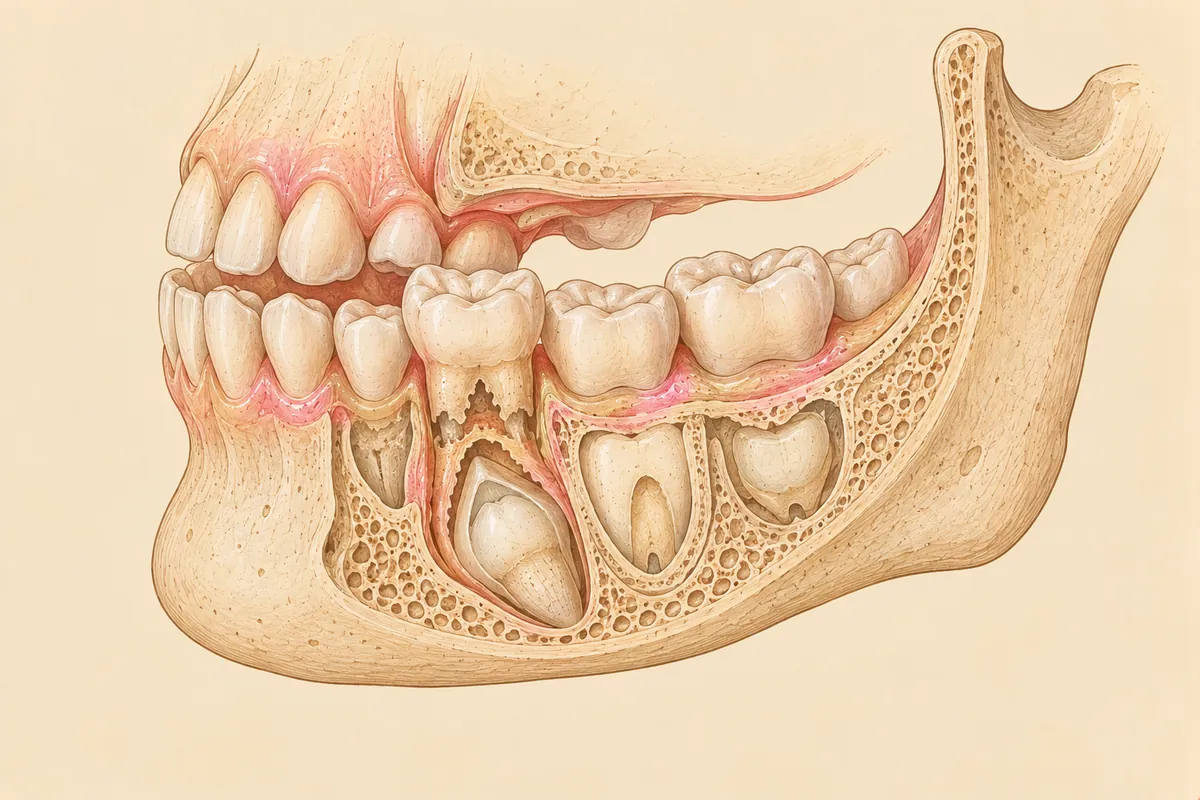 Baby teeth
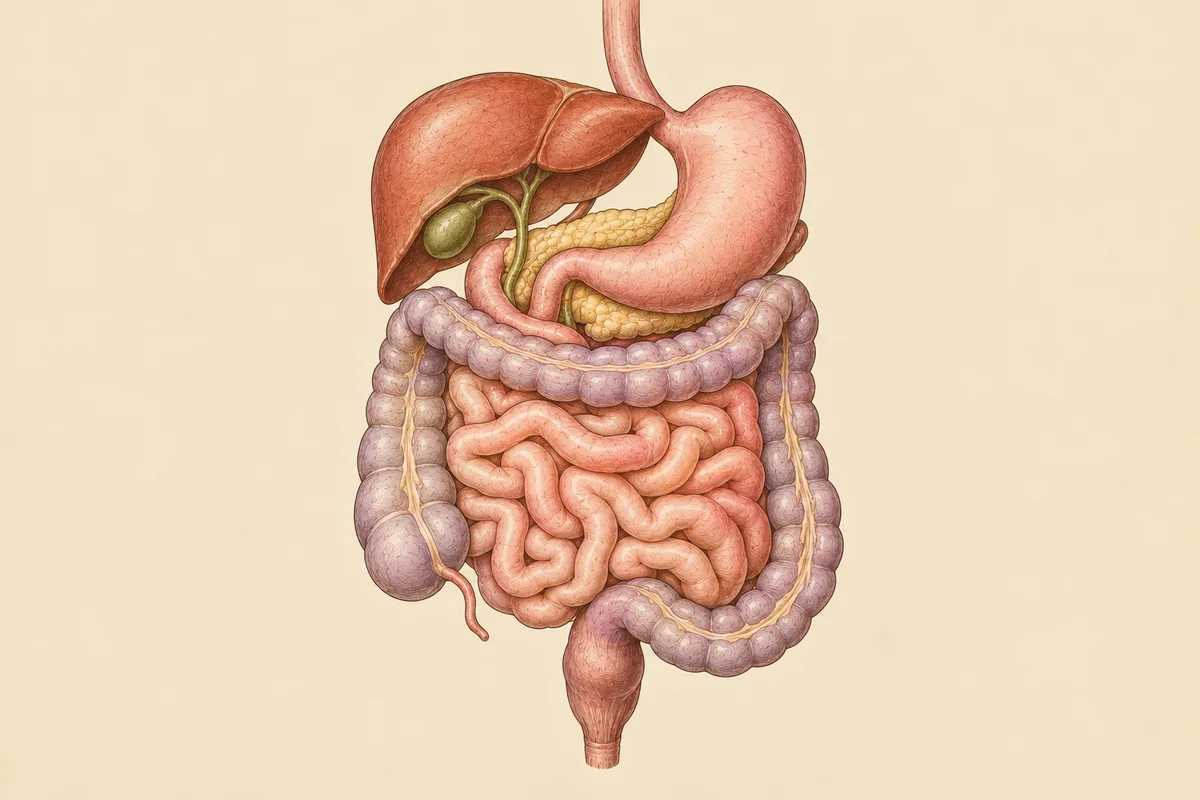 Digestion
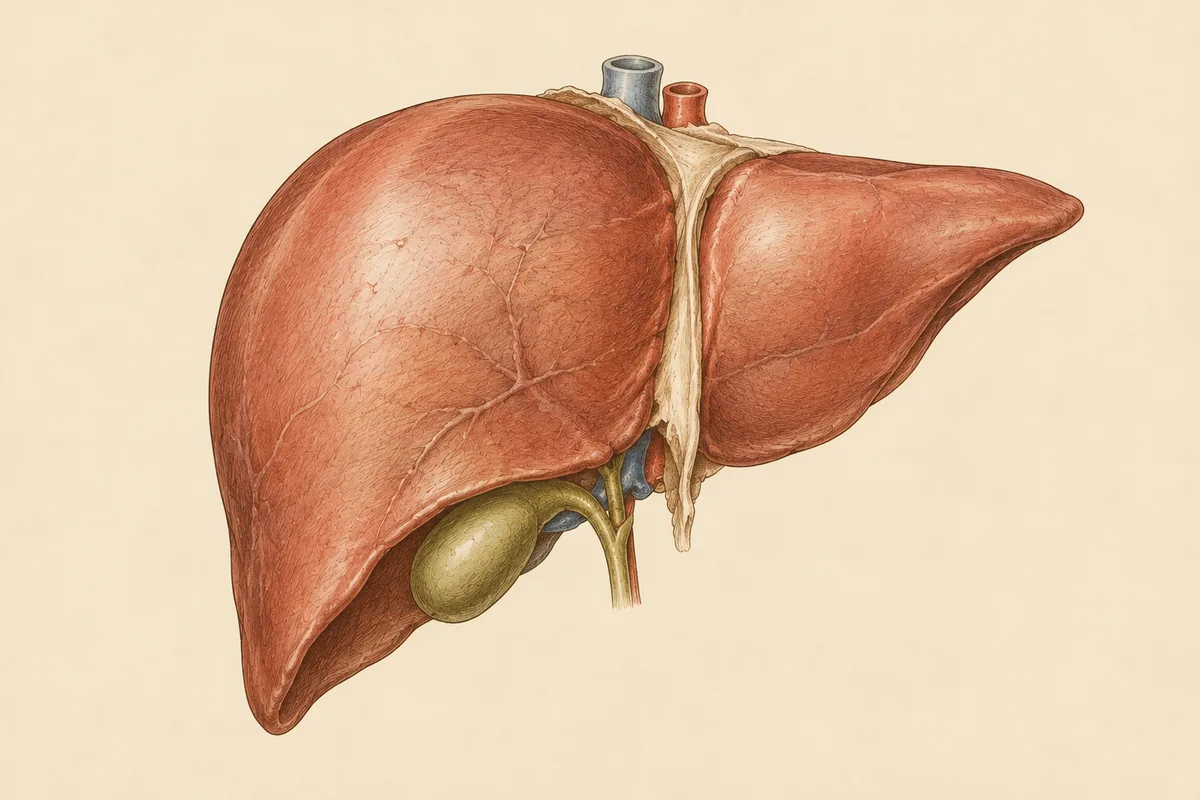 Liver
Liver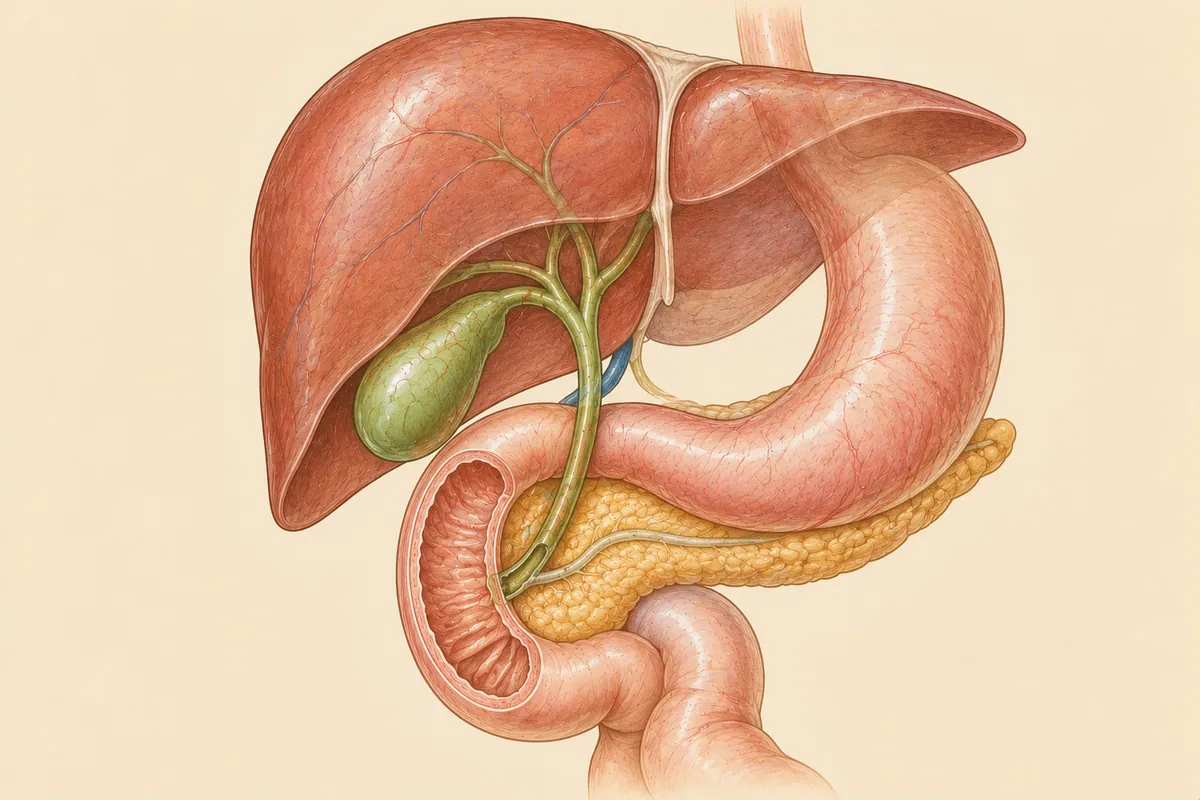 Gallbladder
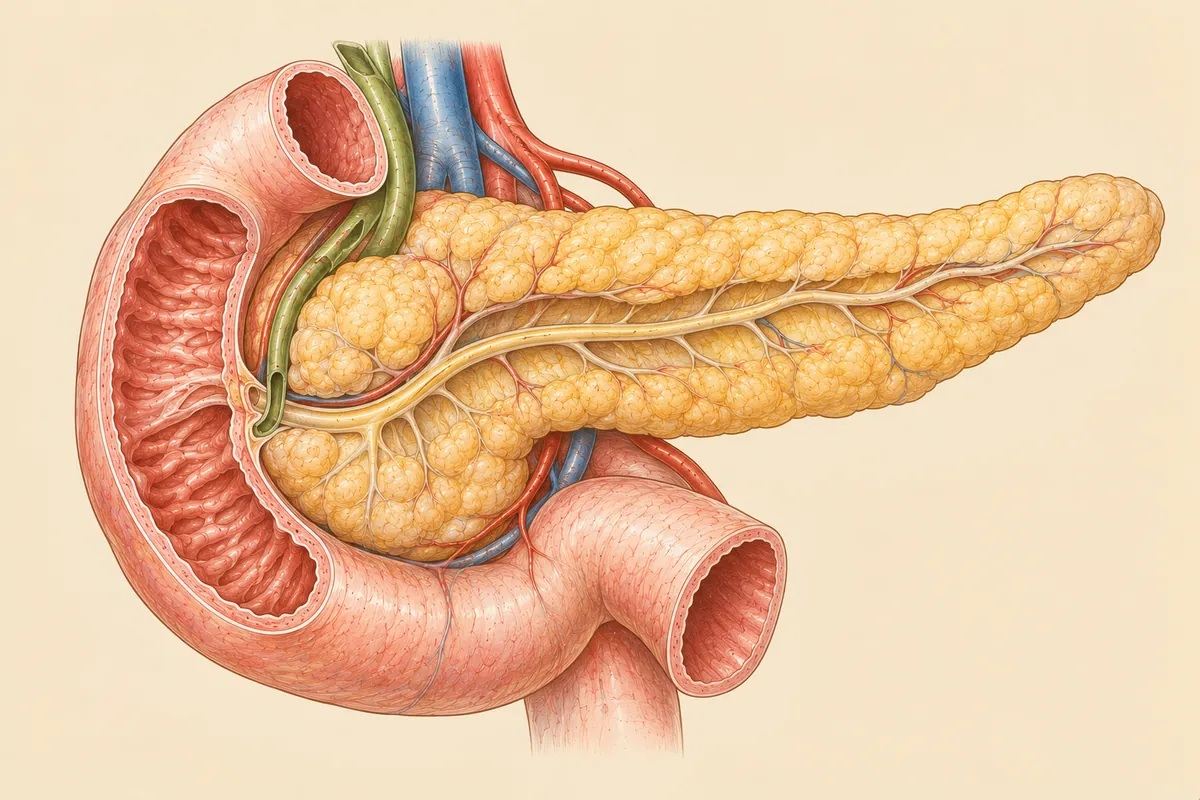 Pancreas
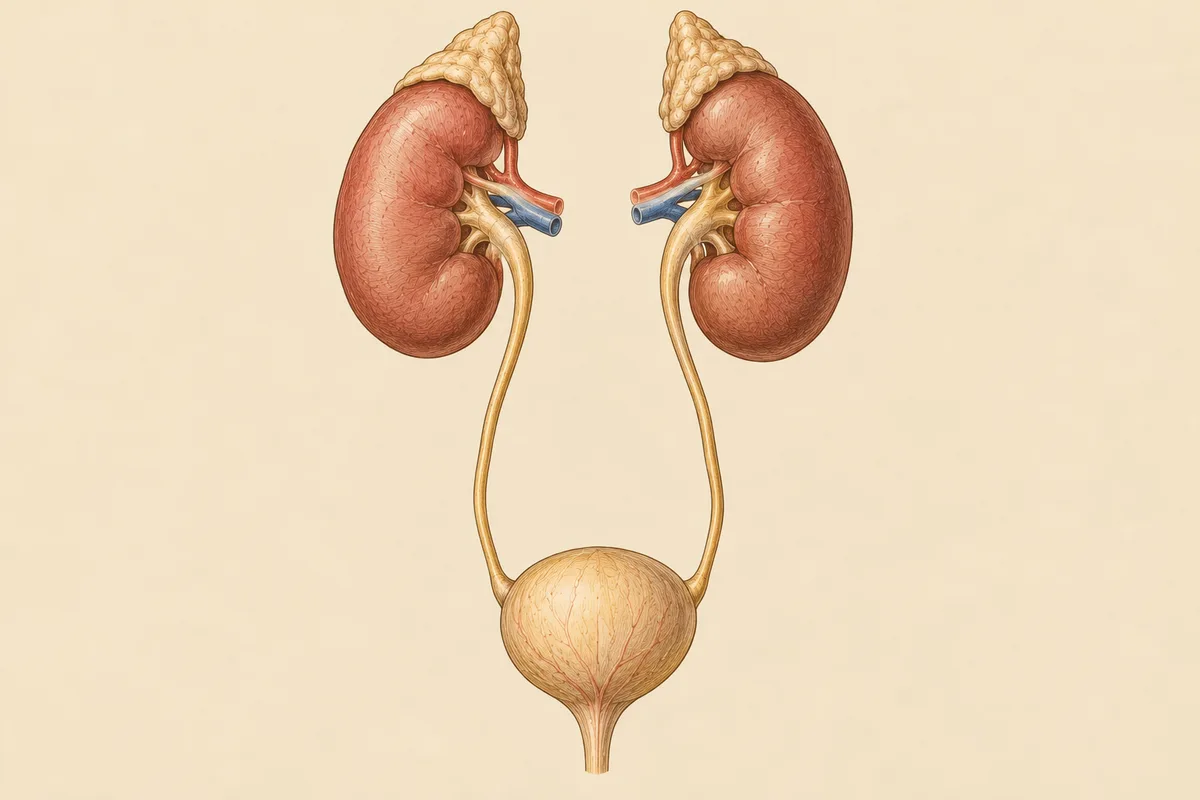 Kidneys
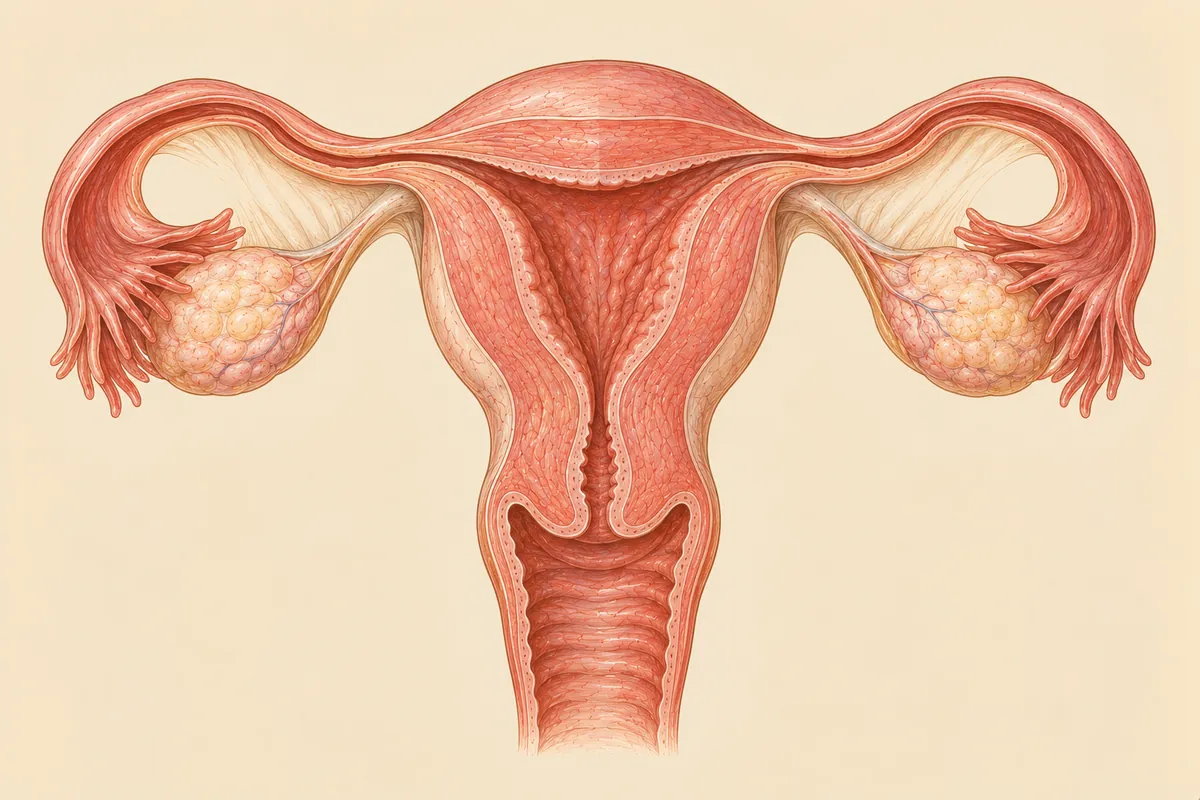 Reproductive system
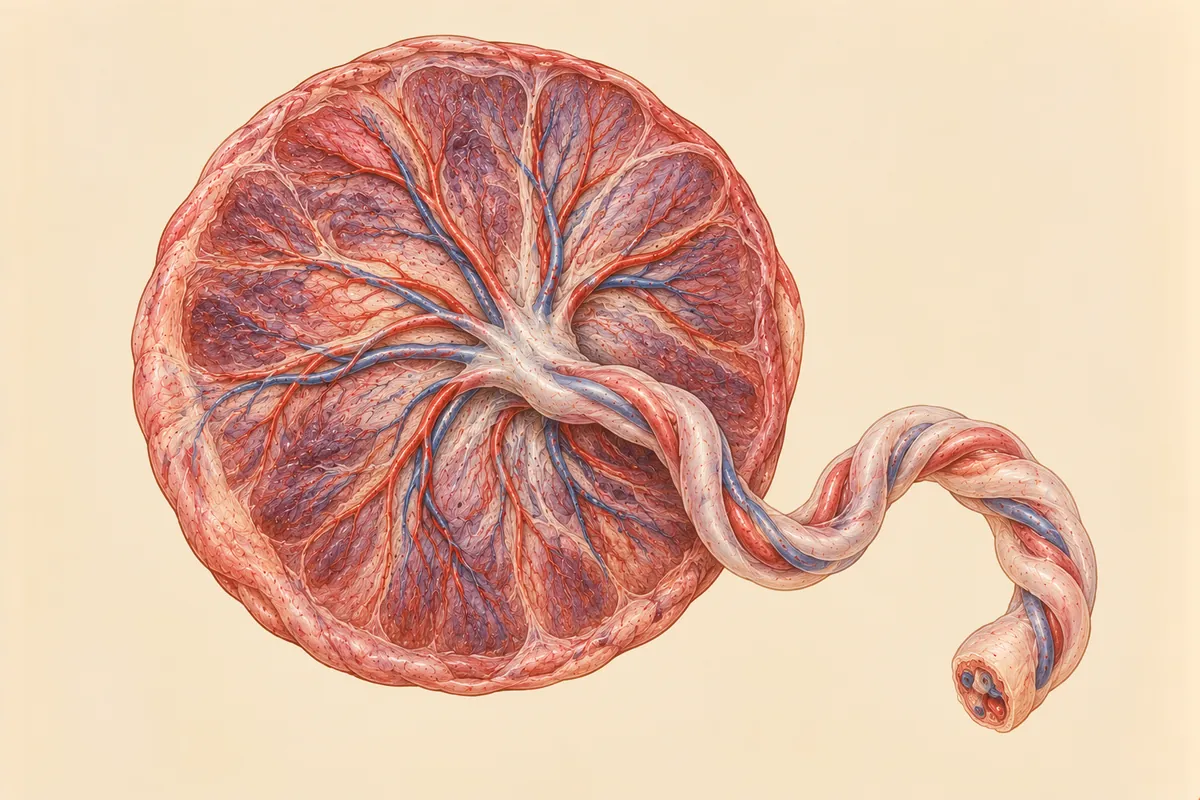 Pregnancy
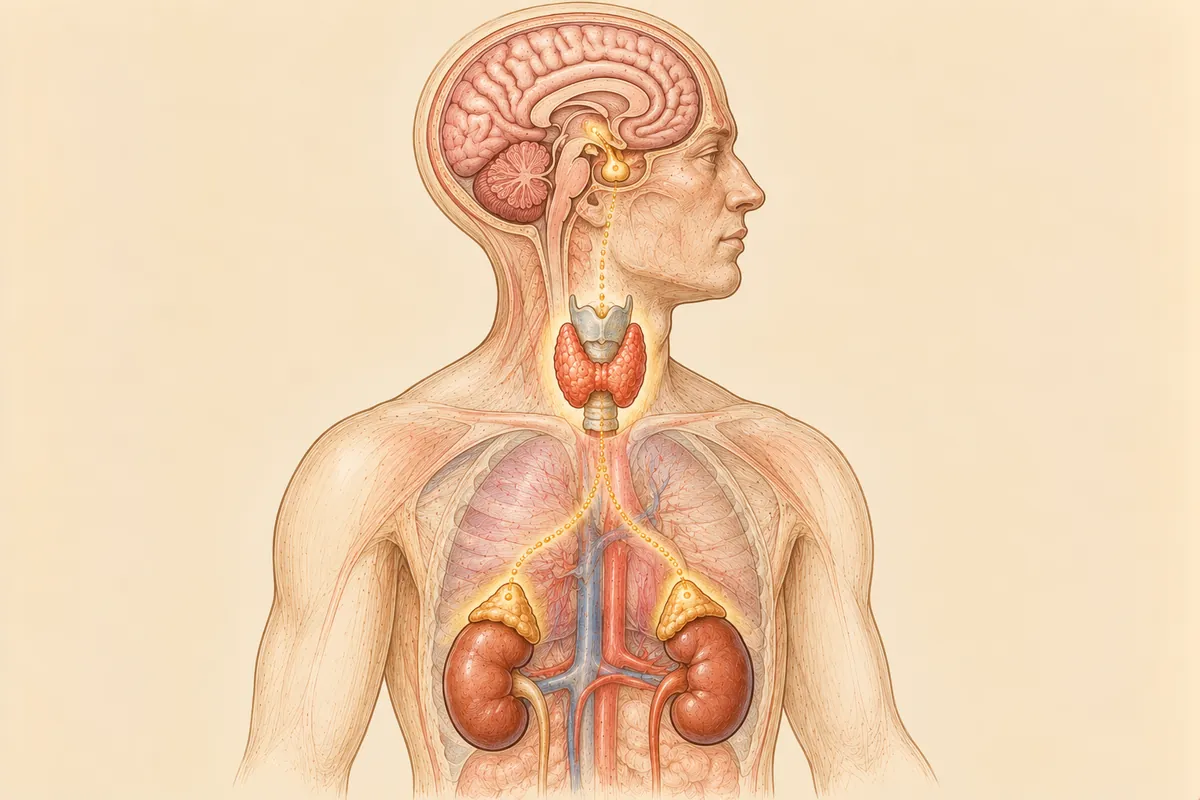 Glands and hormones
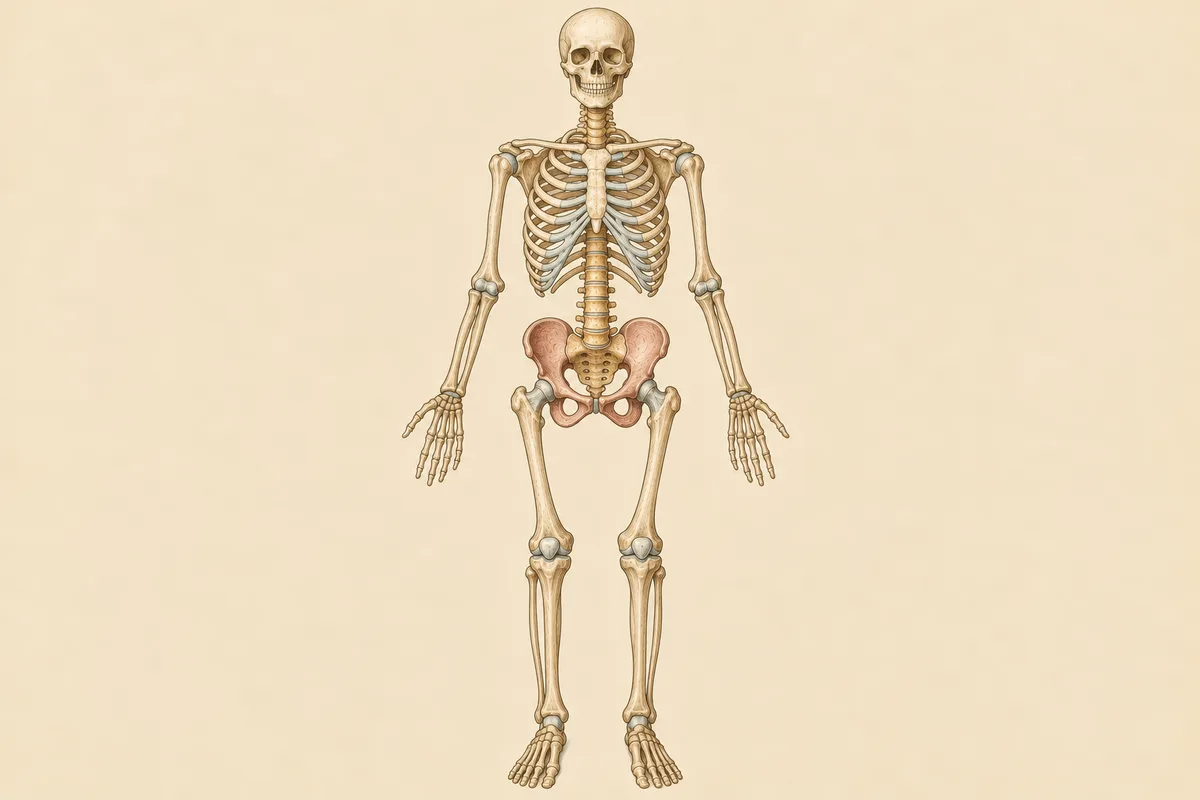 Skeleton
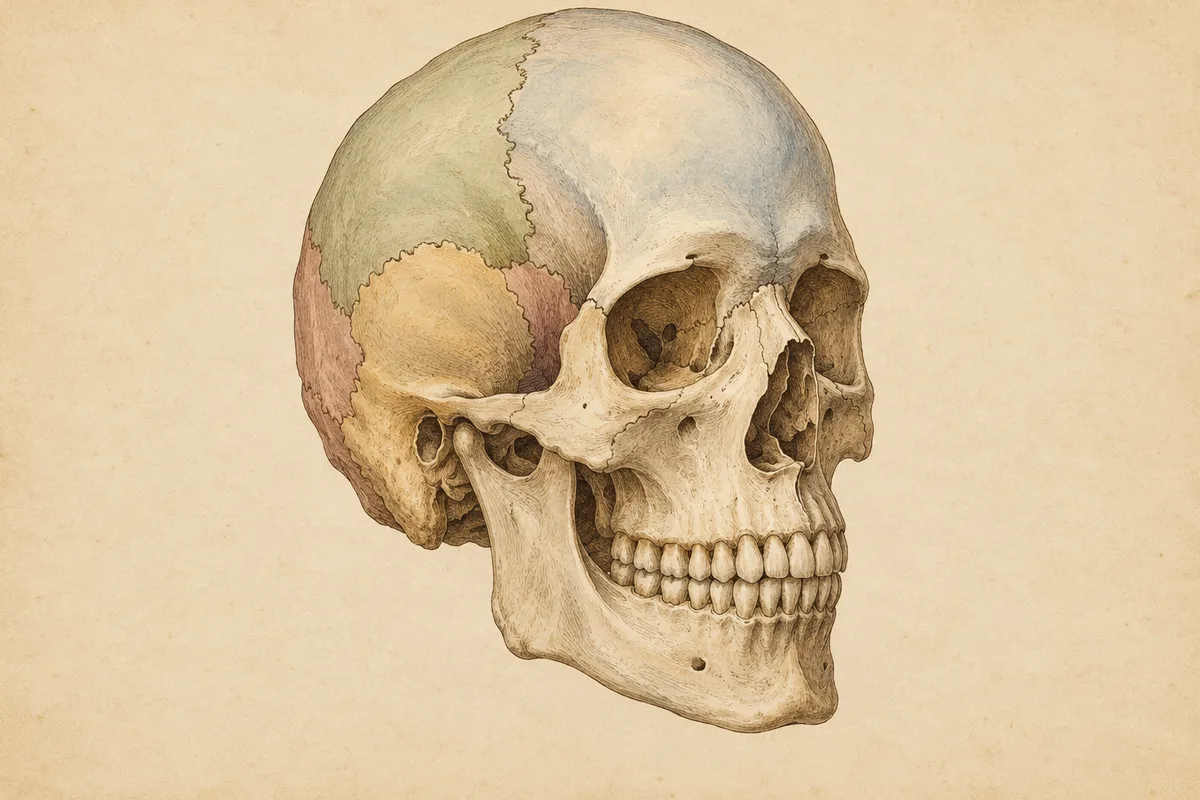 Skull
Skull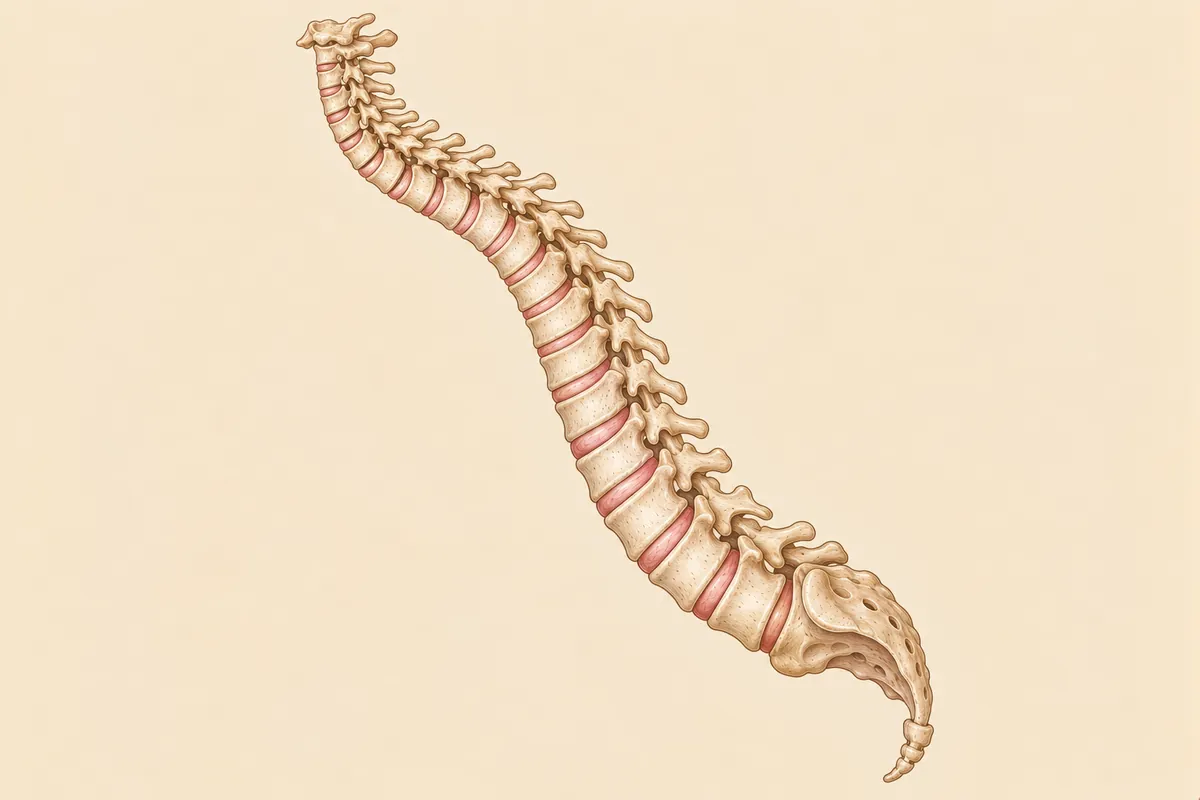 Spine
Spine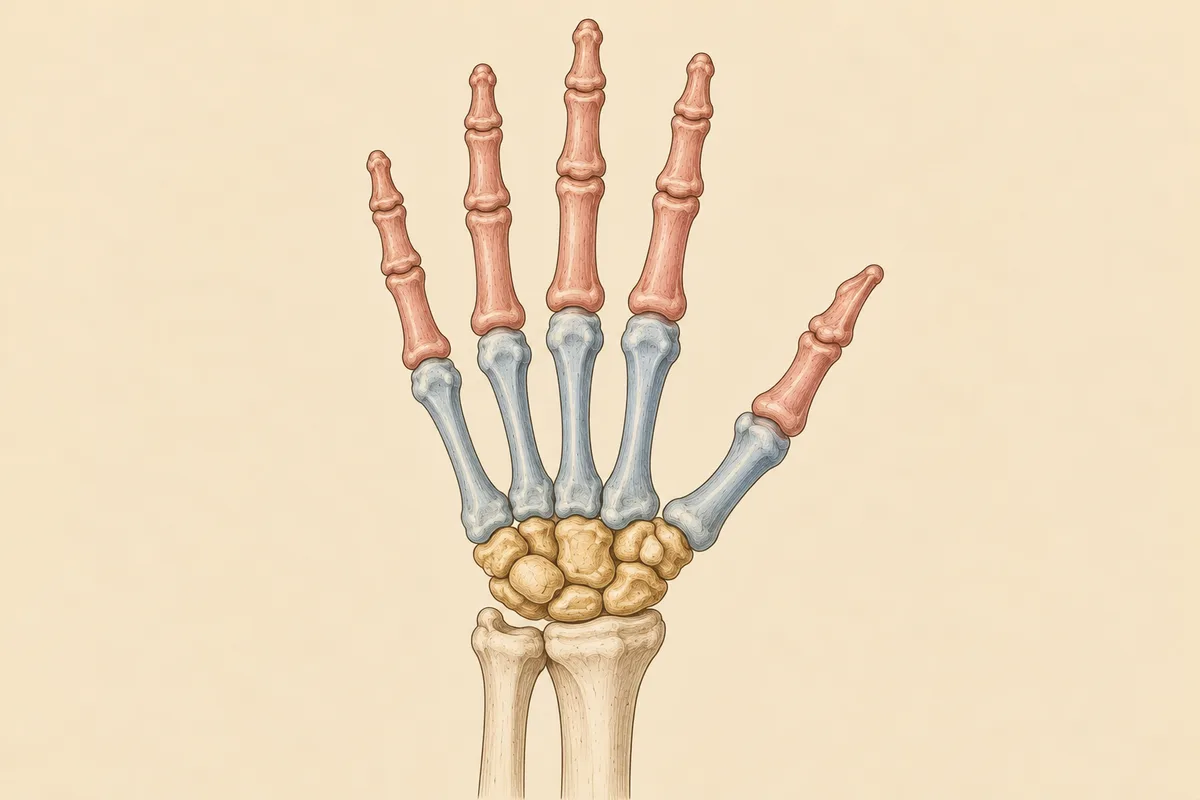 Hand
Hand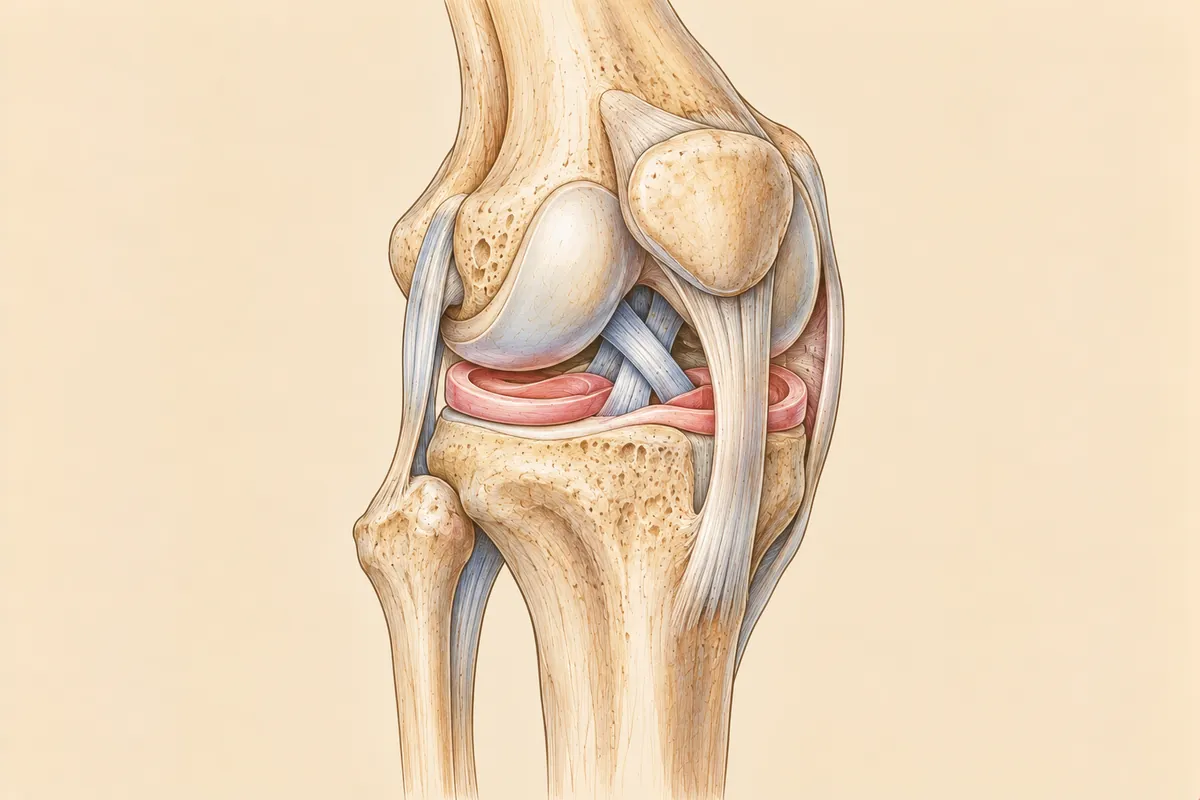 Knee
Knee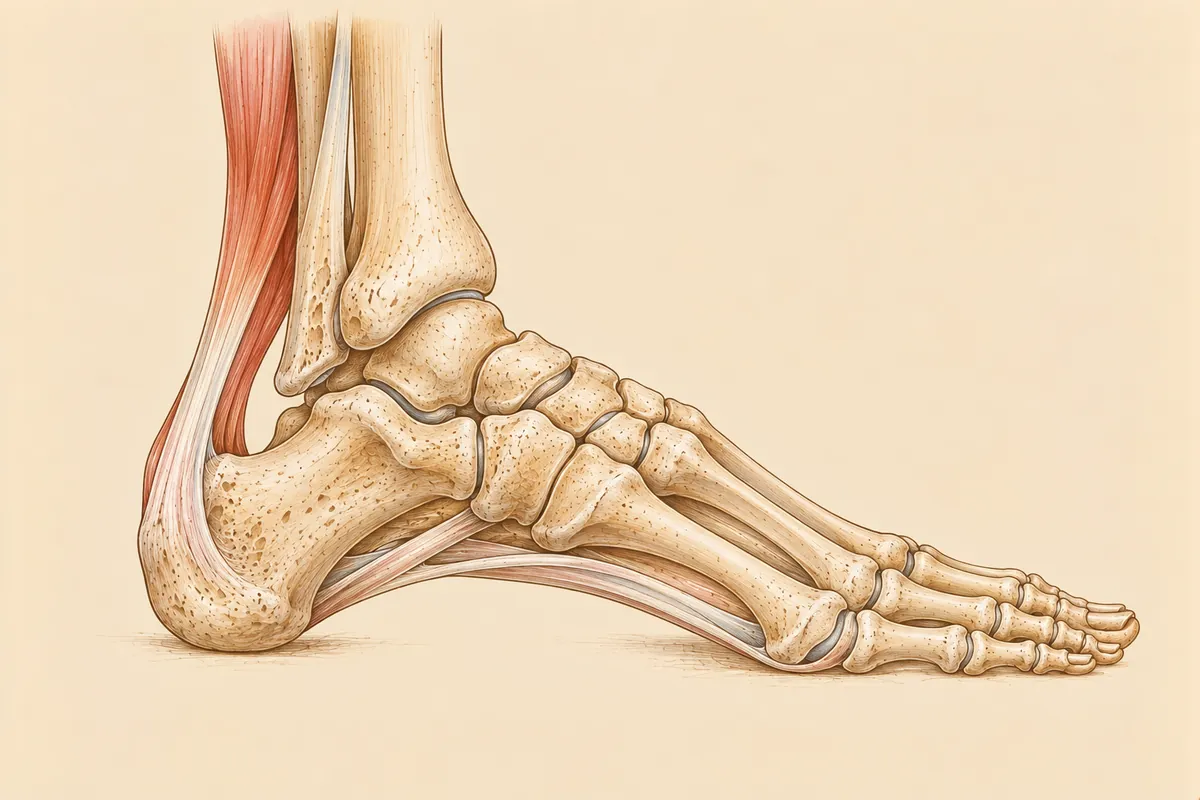 Foot
Foot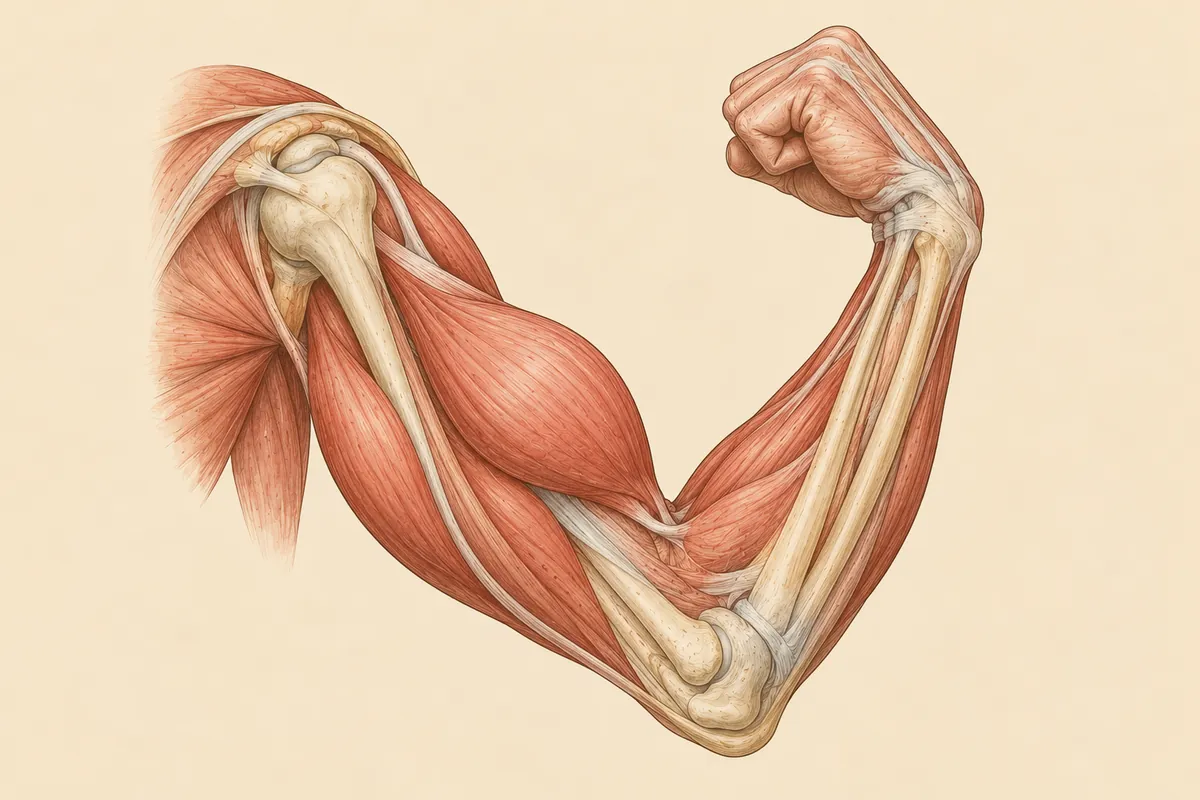 Muscles
How does blood circulate around the body?
The heart pushes blood through tubes called arteries to every bit of the body. The blood delivers oxygen and food and comes back through veins to the heart. Then it passes through the lungs to pick up more oxygen, and it all starts again.
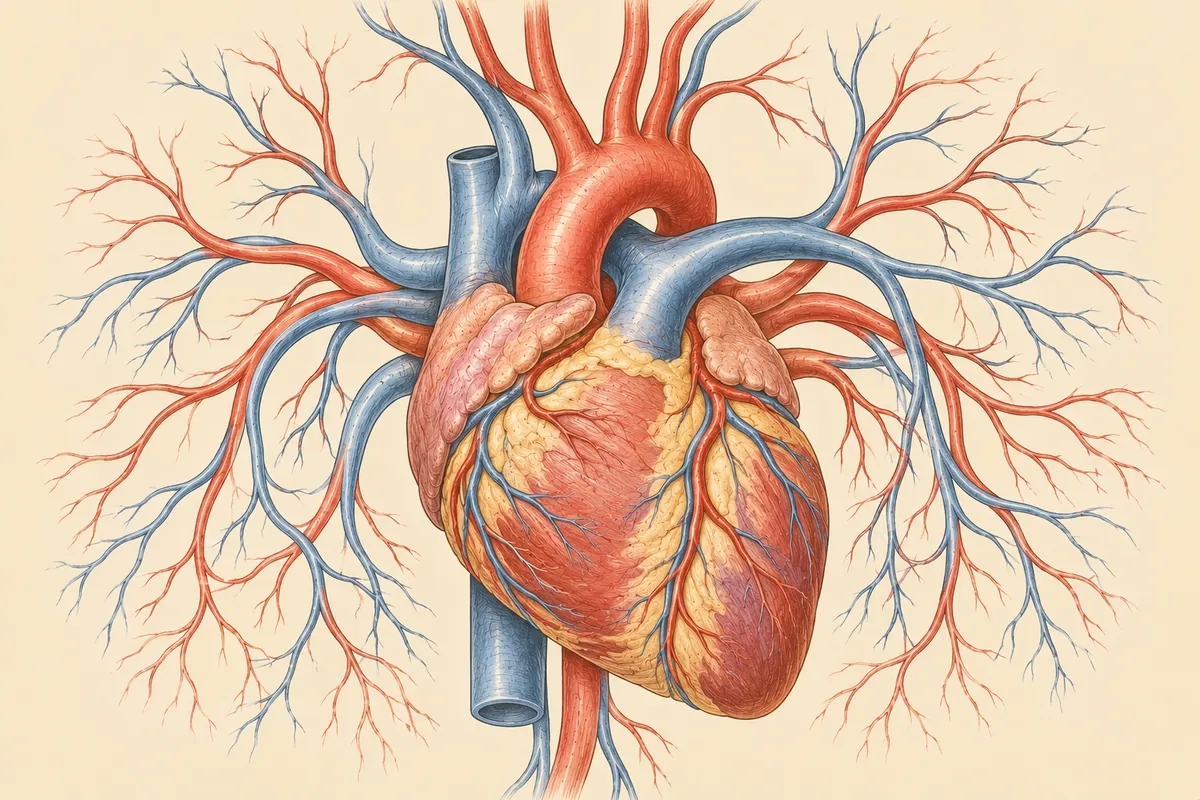
Drag to turn. Pinch or use the mouse wheel to zoom. Tap a part to see what it does.
Questions people ask
Why do veins look blue?
Blood is always red: brighter in arteries and darker in veins. Veins look blue because the skin absorbs and scatters light in a way that makes the dark red under it look bluish. In the 3D view, blue is only used to tell veins from arteries.
How many liters of blood do we have?
An adult has about 5 liters, roughly 7% of body weight. A child has less, depending on size. The body replaces donated blood within a few weeks.
What is the difference between an artery and a vein?
Arteries carry blood away from the heart under high pressure and have thick walls. Veins bring blood back under low pressure, have thin walls and many have valves. Between them are capillaries, very thin tubes where blood swaps oxygen and nutrients with the body.
What is blood made of?
A bit more than half is plasma, a yellowish liquid with water, salts and proteins. The rest is cells: red blood cells, which carry oxygen; white blood cells, which defend the body; and platelets, which seal cuts. These cells are made in the marrow inside bones.
What is the pulse?
It is the pressure wave that travels through the arteries with each heartbeat. You can feel it at the wrist, on the thumb side, or on the neck. At rest, adults usually have 60 to 100 beats per minute; children have more.
How does blood get back up from the legs?
Leg veins have valves that only let blood go upward. When you walk, the calf muscles squeeze the veins and push the blood along. That is why standing or sitting still for a long time can make your feet swell.
Sources
This text was written using these references:
- Blood · National Cancer Institute (SEER Training)
- Cardiovascular System · National Cancer Institute (SEER Training)
This content has not been medically reviewed.